Best Things to Do at Revs Institute in 2026
Revs Institute is the kind of place that rewards slow eyes. If you rush through it, you miss the small things that make the visit memorable, the shape of a fender, the wear on a steering wheel, the story behind a car that still runs.
That matters in 2026 because this is not a casual drop-in museum. You need to plan ahead, buy tickets online, and give yourself enough time to enjoy the collection without feeling hurried. Once you do, the visit feels calm, focused, and surprisingly personal.
Start with the cars themselves
The main reason people go to Revs Institute is simple. The cars are the point.
More than 120 automobiles are displayed with a level of care that makes them feel alive, not frozen in place. Many sit in original condition, which gives the museum a different mood from a polished showroom. You are looking at history, but you are also looking at engineering, design, and speed all at once.
The first thing to do is slow down at the entrance and let your eyes adjust. Notice how the gallery space opens up around the vehicles. Notice the long sightlines, the quiet, and the way the lighting pulls details out of each body panel. Then move closer and look for the small clues that tell you how a car was used.
That might mean a race number, a badge, a hand-finished interior, or the shape of a cockpit built for function more than comfort. Those details make the room feel less like a display case and more like a living archive.
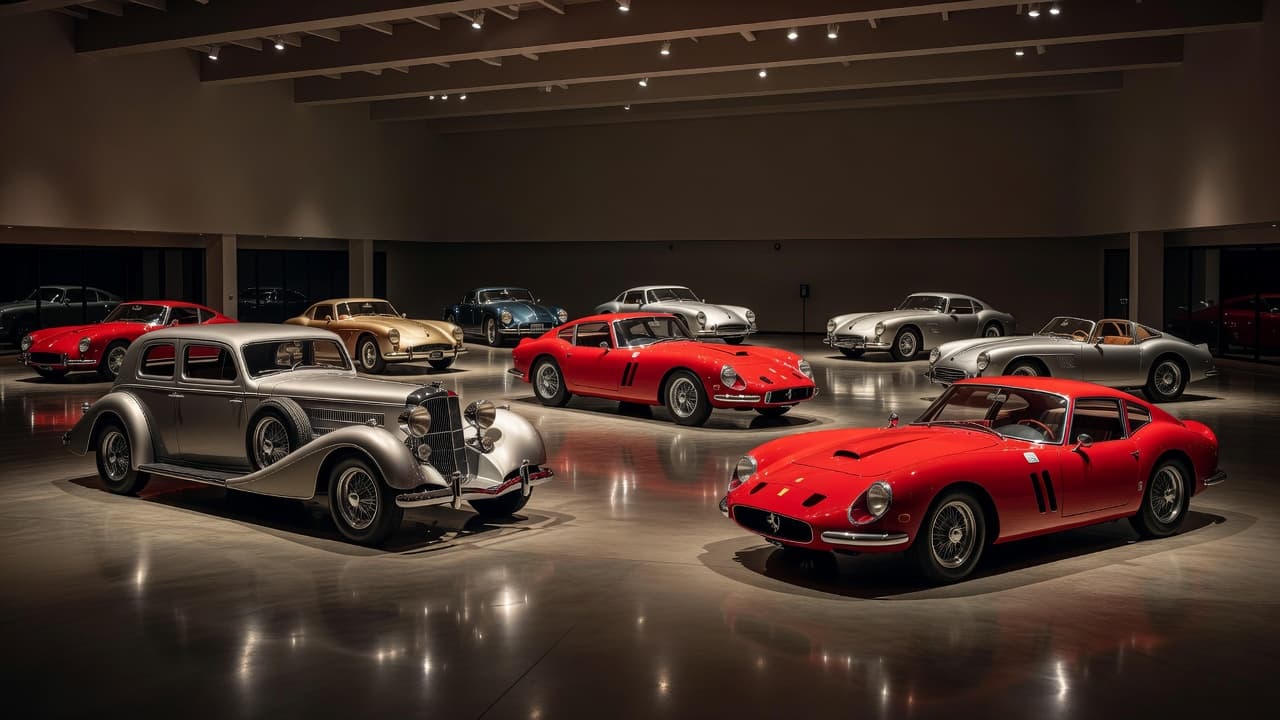
A good first lap through the museum is enough to get the big picture. A second lap is where the visit starts to click.
Let the docents turn history into stories
Revs Institute gets a lot of its charm from the people who know the collection best. The docents are usually nearby, and they are a big part of what makes the visit feel welcoming.
If you have a question, ask it. The best questions are often the simple ones. How did this car end up here? What makes this model important? Was this vehicle built for racing, road use, or both? Those answers add layers fast.
The docents also help if you are not a lifelong car fan. In that case, the museum can still work beautifully because the stories are about people as much as machines. Races, design choices, engineering limits, and preservation work all come through in a way that feels easy to follow.
The best visit here happens when you slow down and ask questions.
That is what turns a row of rare cars into a real experience. A museum label can tell you the facts. A docent can tell you why the facts matter.
If you are with family or friends, let each person choose a car they want to understand better. That keeps everyone involved. It also gives the visit a rhythm, with short pauses and good conversation instead of a fast walk past the highlights.
Look for the details that separate this museum from the usual car stop
Plenty of car museums show beautiful vehicles. Revs Institute goes a step further because the collection is built around preservation, research, and racing history.
That means the details matter. You can spend time looking at original finishes, period-correct parts, engine layouts, and the design language that made each model distinct. A car built for racing has a different personality from one made for long-distance touring. A Porsche section tells a different story from a vintage American racer. A car in original condition tells a different story from a fully restored one.
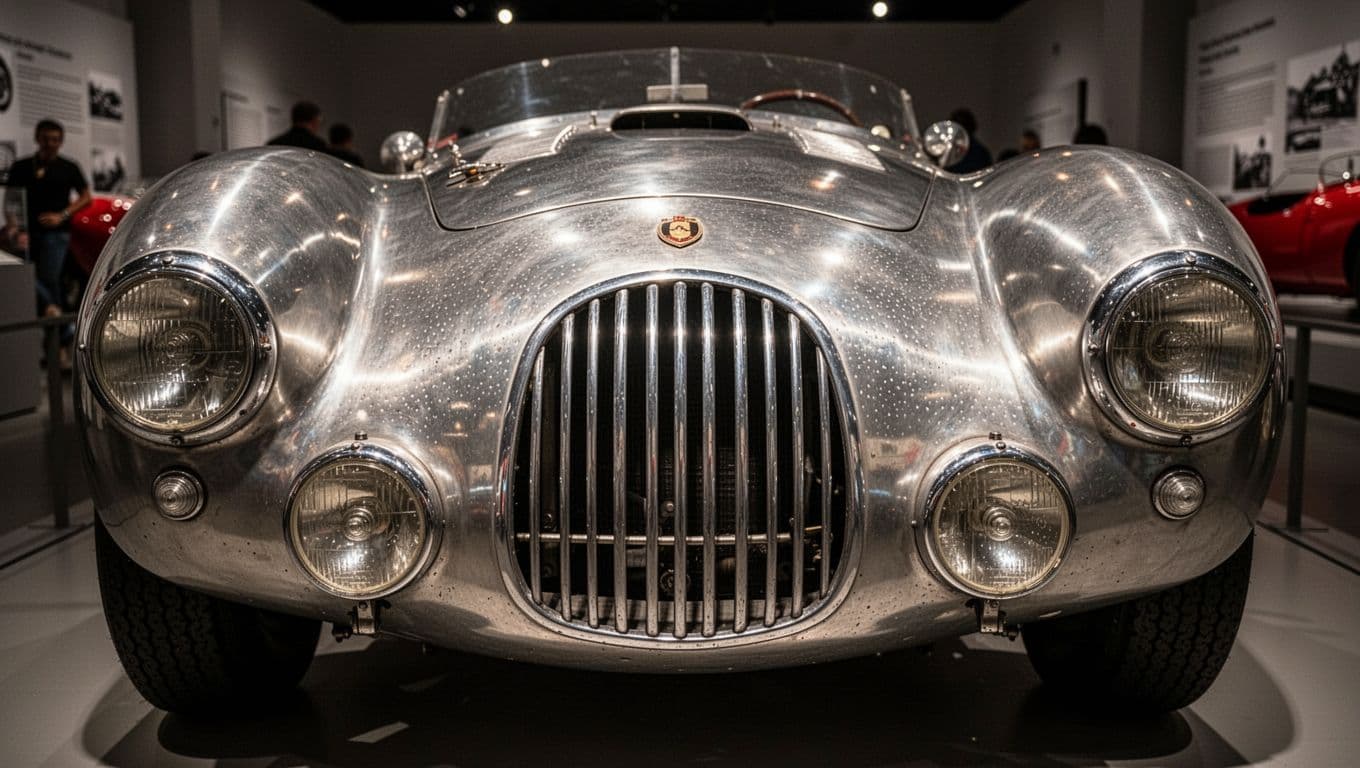
If you like design, this is where the museum becomes especially fun. Look at the curve of a hood, the shape of a grille, the angle of a windshield, or the finish on a racing wheel. Those parts are easy to overlook at first. Once you start noticing them, every room feels more layered.
The collection also works well for people who care about process. These cars are not just pretty objects. They are examples of how performance, materials, and style were solved in different eras. That gives the museum a quiet kind of energy. It is not loud. It does not need to be. The objects do the talking.
Plan the 2026 visit before you leave home
The practical side of a Revs Institute visit matters more than many people expect. The museum is open only on Tuesday, Thursday, and Saturday, from 10:00 AM to 4:00 PM. Admission happens in half-hour entry windows, and tickets need to be purchased online before you arrive.
A simple plan helps a lot.
| 2026 visit detail | What it means for you |
|---|---|
| Online tickets only | Buy before you go, because door sales are not available. |
| Open days | Tuesday, Thursday, and Saturday. |
| Hours | 10:00 AM to 4:00 PM. |
| Entry windows | Half-hour admission times keep the day organized. |
| Visit length | Most guests spend about 1 to 2 hours inside. |
The table tells the story clearly. This is a place for a real visit, not a quick stop.
A morning time slot often works best. The museum feels calm early, and you still have most of the day left for lunch or another Naples stop. Bring comfortable shoes, arrive a little early, and keep your schedule loose enough to stay longer if something catches your attention.
That matters because the best part of the museum is often the unplanned part. You may think you are there for a handful of famous cars, then end up spending 20 minutes on a single model because a docent pointed out something you missed.
If you are traveling through Southwest Florida and want the rest of the day to feel as smooth as the museum, a local service like delivery solutions can take groceries, household goods, food pickup, or an airport ride off your plate. It feels like a small VIP-style move when you would rather spend your time on the trip itself. For quick planning, delivery rates make it easier to sort out the cost before you head out.
Make it part of a better Naples day
A Revs Institute visit pairs well with a relaxed Naples itinerary. The museum gives you a focused block of time, then the rest of the day opens up again. That is useful if you are visiting with family, meeting friends, or trying to fit culture into a short trip.
The smartest move is to keep the rest of the day light. Book lunch, walk a nearby area, or head back to your hotel and enjoy a slower afternoon. Do not stack too many errands around the visit. The museum deserves your full attention, and your schedule will feel better if you protect it.
That is especially true for travelers staying in the area for a few days. When groceries, pharmacy pickups, or transportation get handled for you, the whole day feels cleaner. You do not have to run around Naples before or after a museum stop. You can simply enjoy the part of the trip you came for.
Even if you are not a car expert, the museum has enough range to hold your interest. One person may fixate on racing history. Another may love the craftsmanship. Someone else may just enjoy the quiet pace. That mix is part of the appeal.
Add a class or special program if your dates line up
If your timing is flexible, check whether a class or special program matches your visit. Revs Institute has offered hands-on learning experiences and events that go beyond the main galleries, and those can make the day feel richer.
A workshop or talk works well if you enjoy how things work. It also gives repeat visitors a reason to come back. The main collection is strong enough on its own, but a special program changes the pace and adds another layer of context.
These extras are best treated as a bonus, not a requirement. If your visit date lines up, take the opportunity. If it does not, the museum still delivers a full and satisfying experience on its own.
The real value of a visit here is balance. You get rare cars, clear interpretation, and a space that invites you to look closely. That combination is what keeps people talking about it after they leave.
Conclusion
Revs Institute gives you more than a museum stop. It gives you a quiet, carefully made day around cars that still have real presence. If you slow down, listen to the docents, and pay attention to the details, the visit feels much bigger than the time you spend there.
That is the part people remember in 2026, the sense that the cars are not just displayed, they are being understood. Plan the ticket, leave some room in your schedule, and let the collection do the rest.