Best Things to Do at Collier Seminole State Park
Southwest Florida has plenty of famous beaches, but the best things to do at Collier Seminole State Park happen among cypress, mangroves, marshes, and the Blackwater River. This 7,271-acre park gives you a quieter way to experience the region, with hiking trails, paddling routes, wildlife viewing, camping, and local history.
You can visit for a short morning walk or spend a full weekend outdoors. Before choosing your route, check current conditions because some trails and facilities may close for repairs or become difficult during wet weather.
Best Things to Do at Collier Seminole State Park
Walk the park's nature trails
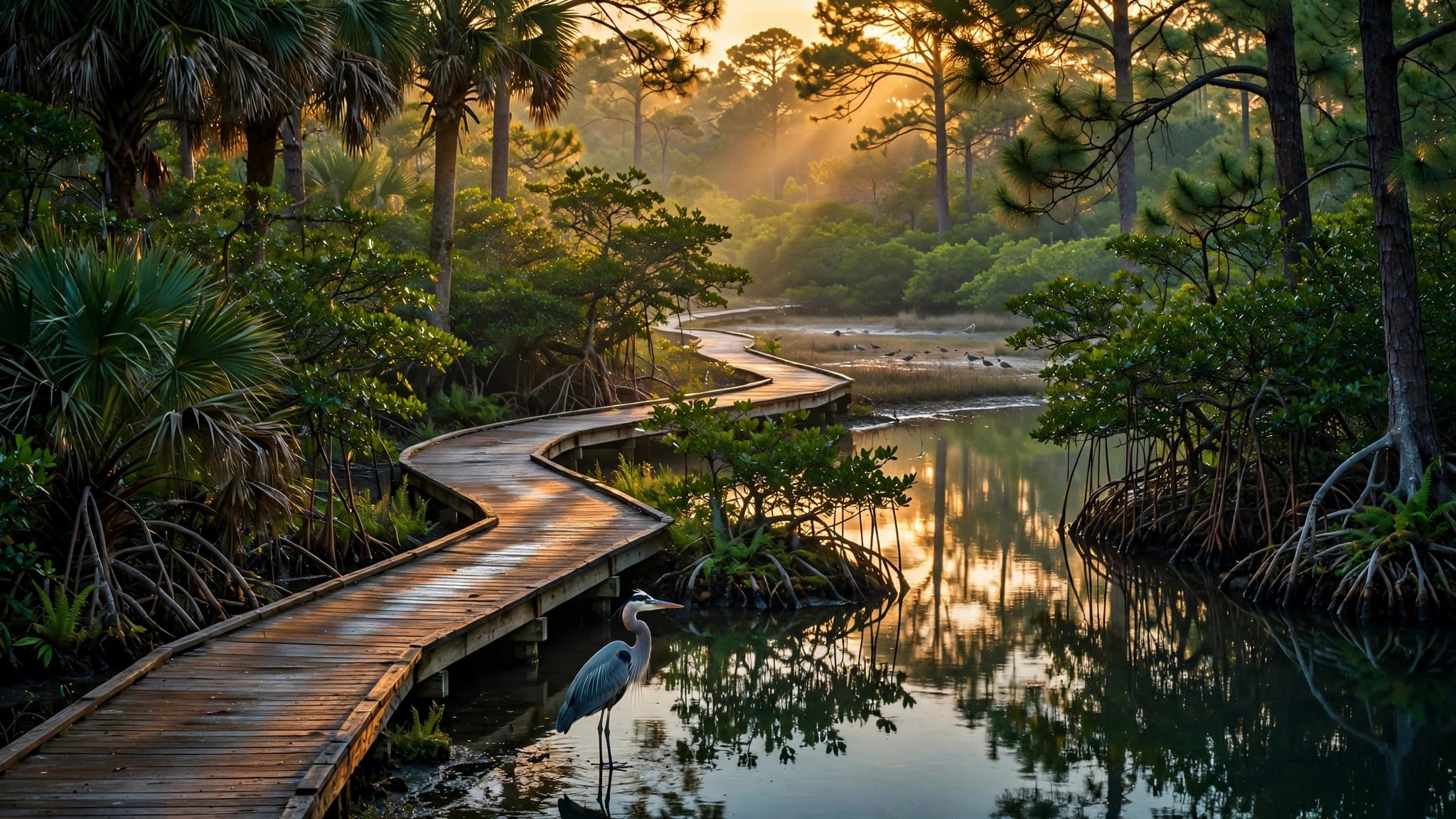
Collier-Seminole State Park has four nature trails, and each offers a different view of South Florida's habitats. The Royal Palm Hammock Nature Trail is a short, partially boardwalked route beside salt marsh and mangrove habitat. It is a good choice when you want a slower walk with plenty of opportunities to stop for photographs.
The official trail map lists the Prairie Hammock Trail and Mountain Bike Trail at 3.5 miles. Prairie hammock is a slightly higher, drier habitat surrounded by wetter ground, so the trail gives you a useful mix of pine, palm, and hardwood scenery.
Strand Swamp Trail covers about five miles and can be strenuous. Flatwoods Trail also requires more effort, especially during the wet months. Mud, standing water, heat, and insects can turn a casual walk into a demanding outing.
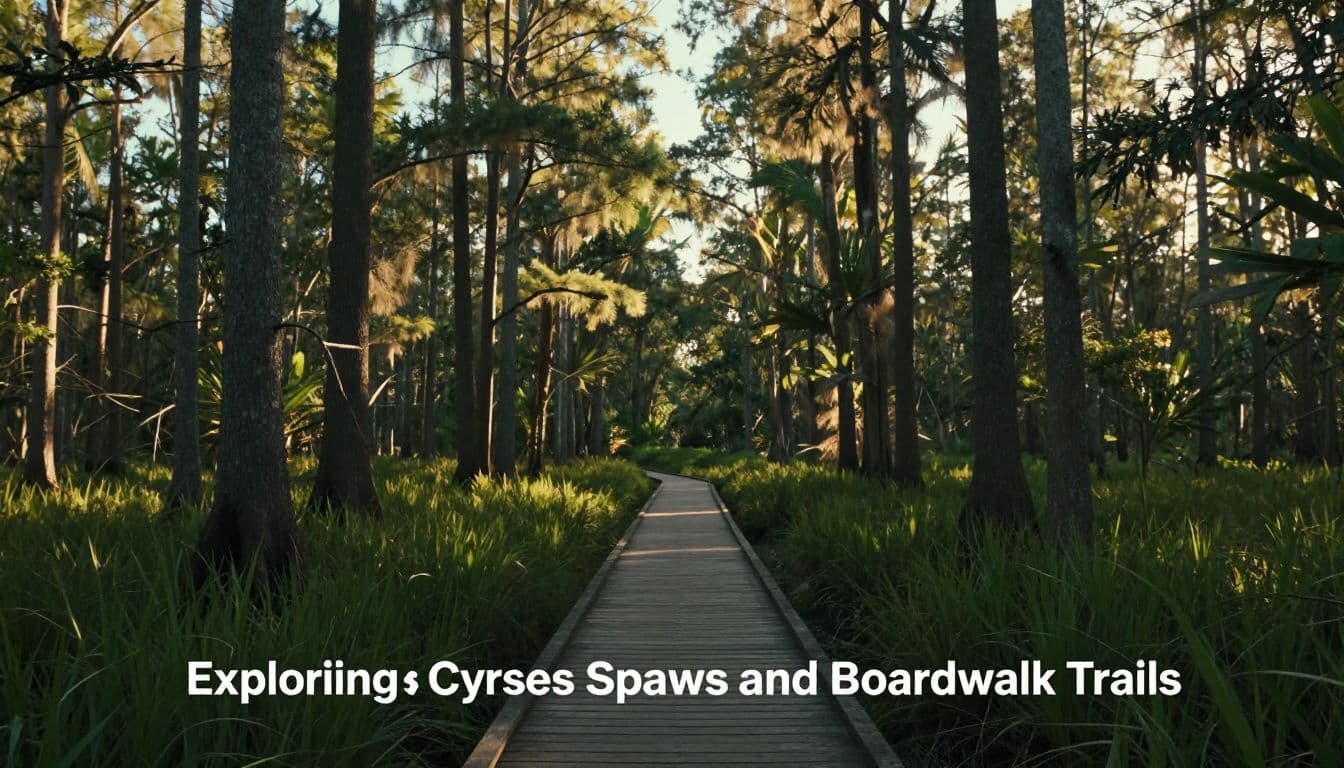
For a first visit, start early and choose a shorter trail before committing to the longer routes. Bring water, sun protection, insect repellent, and shoes that can handle wet ground. The official Collier-Seminole State Park trail information is the best place to check current access and amenities.
As of the latest park notice available for 2026 planning, the Royal Palm Hammock Nature Trail and the Building 37 bathhouse in RV/Tent Loop B are listed as closed for maintenance and repairs. Confirm the status before you leave.
Paddle the Blackwater River
The Blackwater River is one of the park's biggest attractions. Its boat basin includes a ramp for water access, and visitors can paddle through a brackish environment where freshwater and saltwater habitats meet.
Florida State Parks lists online kayak and paddleboard rentals at the boat basin. Seasonal canoe and kayak availability can change, so check the park's current information before building your day around a rental.
Guided canoe trips are also offered during the cooler season through the Friends of Collier-Seminole and nearby conservation partners. Current program information lists guided trips on Friday, Saturday, and Sunday mornings from December through March, generally from 9:30 a.m. to 12:30 p.m. Reservations may be required.
Paddling here rewards patience. The scenery changes gradually as the river moves past mangroves, marsh vegetation, and shaded edges. You may see wading birds, turtles, fish, and other wildlife along the banks. Keep your voice low, avoid sudden movements, and give animals plenty of room.
The park's official experiences and amenities page includes information about the boat basin, trails, and other visitor features.
Water levels and weather can change the paddling experience quickly. Ask about current conditions before launching, especially after heavy rain or during the summer wet season.
See the historic Bay City Walking Dredge
Not every Florida park combines outdoor recreation with a large piece of engineering history. Collier-Seminole State Park protects the Bay City Walking Dredge, a massive machine built in 1924.
The dredge helped construct roads through difficult wet terrain, including work connected to the development of the Tamiami Trail. Its design allowed the machine to move across soft ground that would have stopped ordinary equipment. Today, it is recognized as a National Historic Mechanical Engineering Landmark.
The dredge gives context to the land around you. Modern visitors can reach the park by road, but the region's early road builders faced swamps, mud, water, and dense vegetation with far fewer tools. Seeing the machine after walking through the park makes that challenge easier to understand.
Allow time to read the information around the display and take in its scale. Families often find it more memorable than a standard historical marker because the equipment is large, unusual, and easy to view.
The official Florida State Parks page for Collier-Seminole provides the park's history, visitor details, and current notices.
Watch birds and photograph native habitats
Collier Seminole State Park is a strong choice for visitors who enjoy nature photography. The park contains royal palm stands, cypress areas, salt marsh, mangrove habitat, and flatwoods. Each setting has a different texture, color, and collection of wildlife.
Early morning usually offers the most comfortable temperatures and softer light. It also gives you a better chance to hear birds before midday heat becomes intense. Bring binoculars if you have them, but a phone camera can capture plenty of detail along the boardwalk and trail edges.
Move slowly near water. Look across open marshes for herons and other wading birds, then scan tree lines for birds perched above the trail. Insects and small reptiles often appear near shaded, damp areas.
Keep wildlife viewing respectful. Stay on marked paths, avoid feeding animals, and never approach an alligator or other wild animal. A telephoto lens or binoculars lets you observe from a safe distance.
Photographers should also plan around the sun. Open marsh areas can become harsh and bright later in the day, while shaded trails may need a slower shutter speed. A small tripod can help, but travel light if you plan to hike several miles.
Camp overnight under the palms and cypress
Camping turns a quick park visit into a fuller outdoor experience. The campground includes full-facility sites with water and electricity, while bathhouses and laundry facilities support longer stays.
The park also has primitive camping options for visitors who want a more basic experience. Some remote sites require advance arrangements through the park office, so don't assume every campsite is available for walk-up camping.
Reserve early for winter weekends. December through March brings cooler temperatures and popular paddling conditions, which can fill campsites faster than the hotter months. Summer camping can be quieter, but heat, humidity, mosquitoes, and afternoon storms require more preparation.
Pack meals that can handle warm weather, store food securely, and carry extra drinking water for trail time. If you're camping with children, plan one main activity each day rather than filling every hour. A morning hike followed by lunch and a shaded afternoon is often more comfortable than a long midday outing.
Camping rules, site availability, and facility conditions can change. Check the official park page before booking, especially because the latest notice lists one bathhouse as closed for repairs.
Plan a practical 2026 day trip
Collier-Seminole State Park is at 20200 Tamiami Trail E. in Naples, along U.S. 41. The park is open from 8 a.m. until sunset, 365 days a year. The current entrance fee listed by Florida State Parks is $5 per vehicle.
From Interstate 75, take Exit 101 toward State Road 951 and continue south to U.S. 41. Turn left, then travel east for roughly eight miles to the park entrance. Give yourself extra time if you're visiting on a busy winter weekend.
A simple day plan could look like this:
- Arrive near opening time and choose a short trail while temperatures are mild.
- Visit the Bay City Walking Dredge before the midday heat.
- Eat lunch at the designated picnic area and refill your water.
- Paddle the Blackwater River if you have a reservation or confirmed rental.
- Leave before sunset, allowing time for the drive back.
Wear breathable clothing and closed-toe shoes. Pack water, bug spray, sunscreen, snacks, a hat, binoculars, and a dry bag for electronics if you're paddling.
Visitors staying in Cape Coral or nearby Southwest Florida communities may also use 1st Class Delivery's local service options to save time before or after a park day. Its VIP-style approach can help with groceries, restaurant pickups, household goods, and airport transportation, which is useful for people who would rather enjoy their vacation or everyday life than spend it running errands.
Is Collier Seminole State Park worth visiting?
For travelers who want more than another beach stop, the answer is yes. The park combines accessible short walks with longer trails, a historic dredge, paddling access, wildlife habitat, and camping in one large setting.
The best things to do at Collier Seminole State Park depend on your pace. Choose the boardwalk and dredge for a relaxed visit, or add a paddle and longer hike if you want a full outdoor day. Check closures, weather, trail conditions, and rental schedules before you go.
Conclusion
Collier Seminole State Park gives you a close look at the wetland habitats that shaped Southwest Florida. Walk beneath palms and cypress, paddle the Blackwater River, view the historic dredge, and leave room for the park's quieter moments.
Arrive early, bring plenty of water, and confirm current conditions before traveling. With a little planning, Collier Seminole State Park can become one of the most rewarding stops on a Naples or Everglades-area itinerary.