Best Things to Do at Bailey-Matthews National Shell Museum in 2026
Shells can look simple from a distance. At the Bailey-Matthews Shell Museum , they turn into stories about habitat, defense, color, and survival.
That is why this Sanibel stop still belongs on a 2026 island plan. It works for curious kids, shell fans, and anyone who wants a break from the beach without losing the coastal feel. Before you go, the museum's official site is the best place to check current exhibits and museum updates.
Start with the shell galleries and slow down
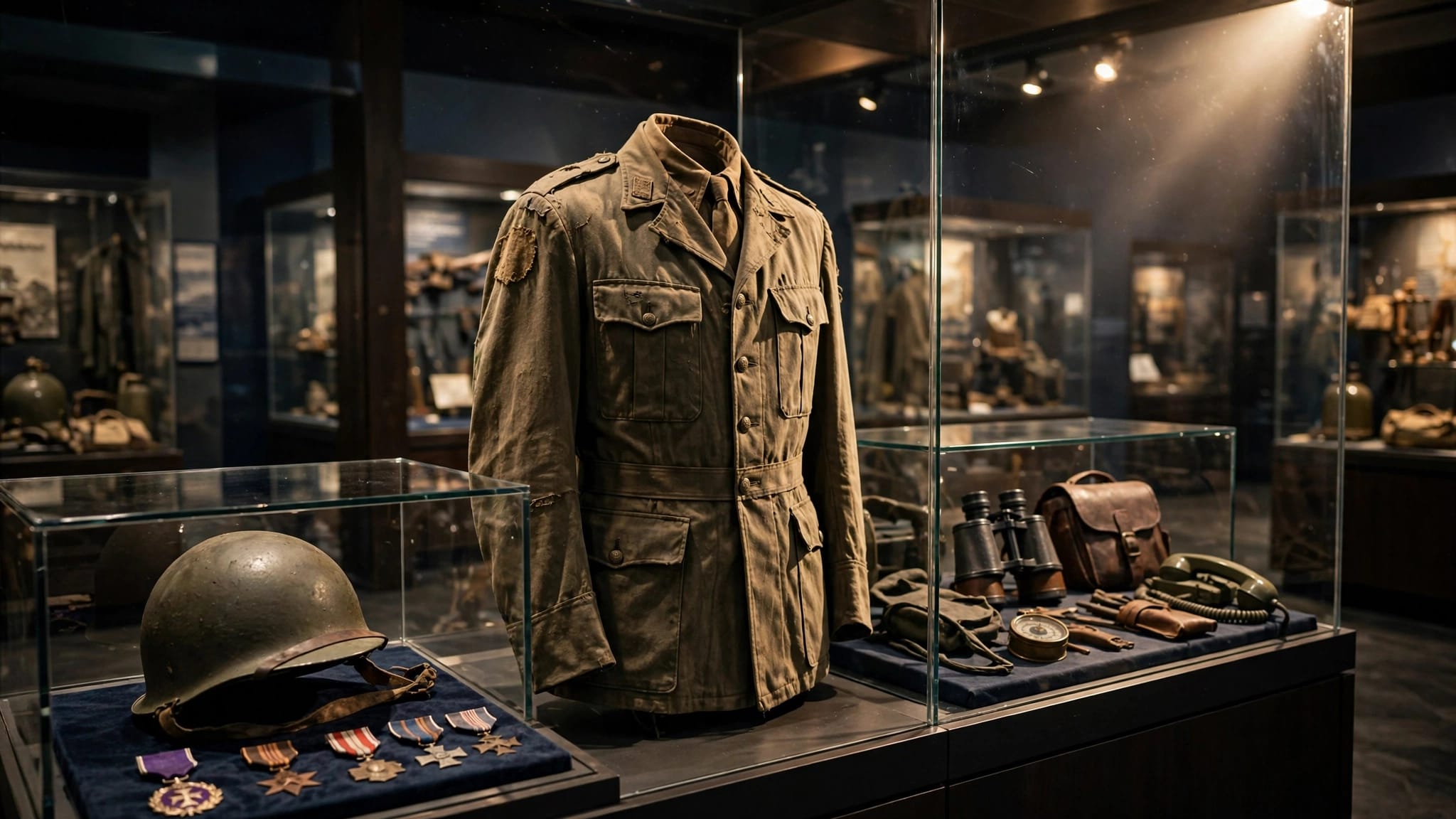
The first thing to do is the most obvious one, and it still matters most. Walk the galleries slowly and look at shells as objects, not souvenirs. Their ridges, openings, spines, and colors tell you how each animal lived.
At the Bailey-Matthews National Shell Museum, the shell collection rewards patience. A shell that looks plain at a glance may have a perfect spiral, a sharp edge, or a color pattern that changes in the light. When you compare species side by side, you start to see how much shape can say.
This is also the best place to reset your pace after a beach morning. Sanibel can fill up fast with sand, sun, and plans. Inside the museum, the noise drops away, and you can pay attention again.
Look for the shells that seem almost unreal. Some are tiny and precise, while others feel heavy enough to sit in your palm like a stone. If you are with someone else, make it a small game. Pick the shell that looks oldest, the one that looks sharpest, and the one you would never expect to find on a Florida coast.
That kind of close looking makes the visit stick. Long after you leave, you remember shapes, not just names.
Spend time at the touch pools
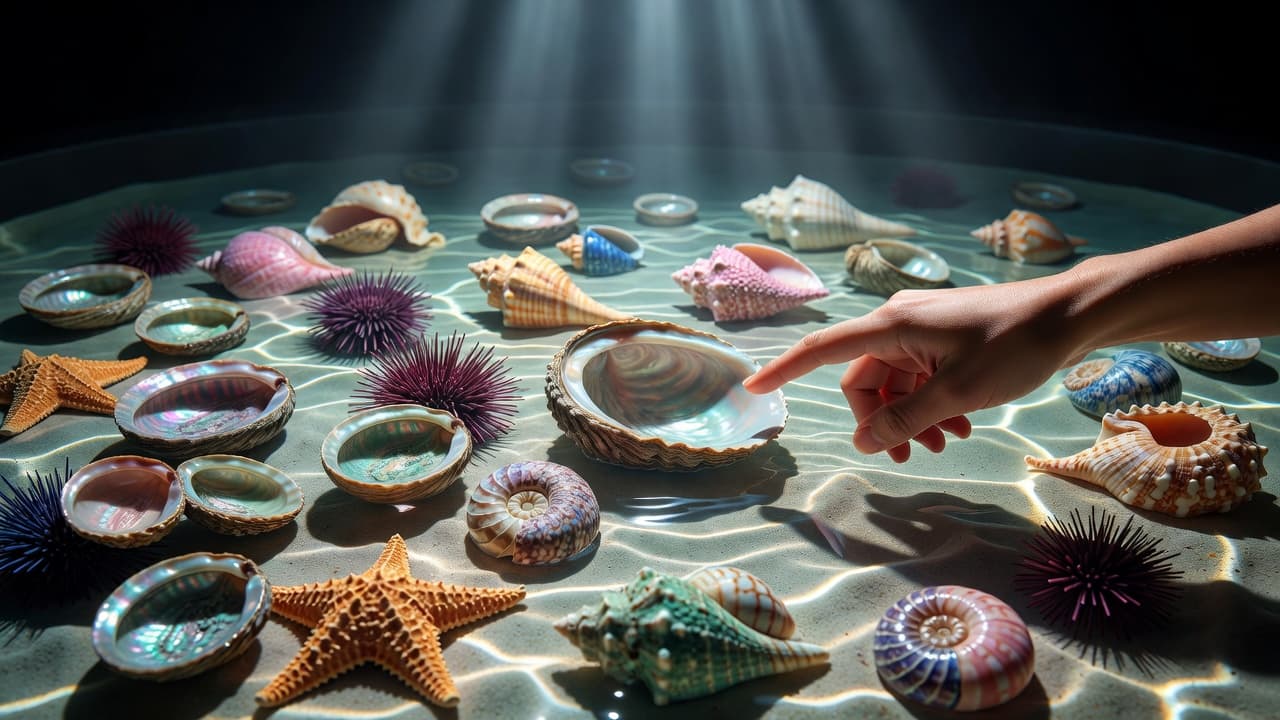
This part of the museum turns a quiet visit into a hands-on one. The touch pools with live mollusks are among the most memorable stops, because they let you connect with the animals behind the shells.
Photo by Oktay Köseoğlu
A touch pool changes the rhythm of the whole trip. You stop reading for a minute and start noticing movement, texture, and water flow. Kids often lean in first, but adults usually follow fast.
Take your time here. Watch how people react when they get close enough to see a creature move under the surface. That moment feels different from standing behind glass. It is more personal, and it makes the shell displays make more sense.
If you are traveling with children, this is where the museum can feel like a discovery zone. Ask them what they notice first. Is it the color? The shape? The way the animal hides? Those small observations help the visit feel active instead of passive.
The touch area also works well as a pause between gallery sections. After a stretch of reading labels and studying shells, a few minutes at the pool gives your eyes a break. Then you can head back in with more focus.
Make the Giant Pacific Octopus exhibit a must-see
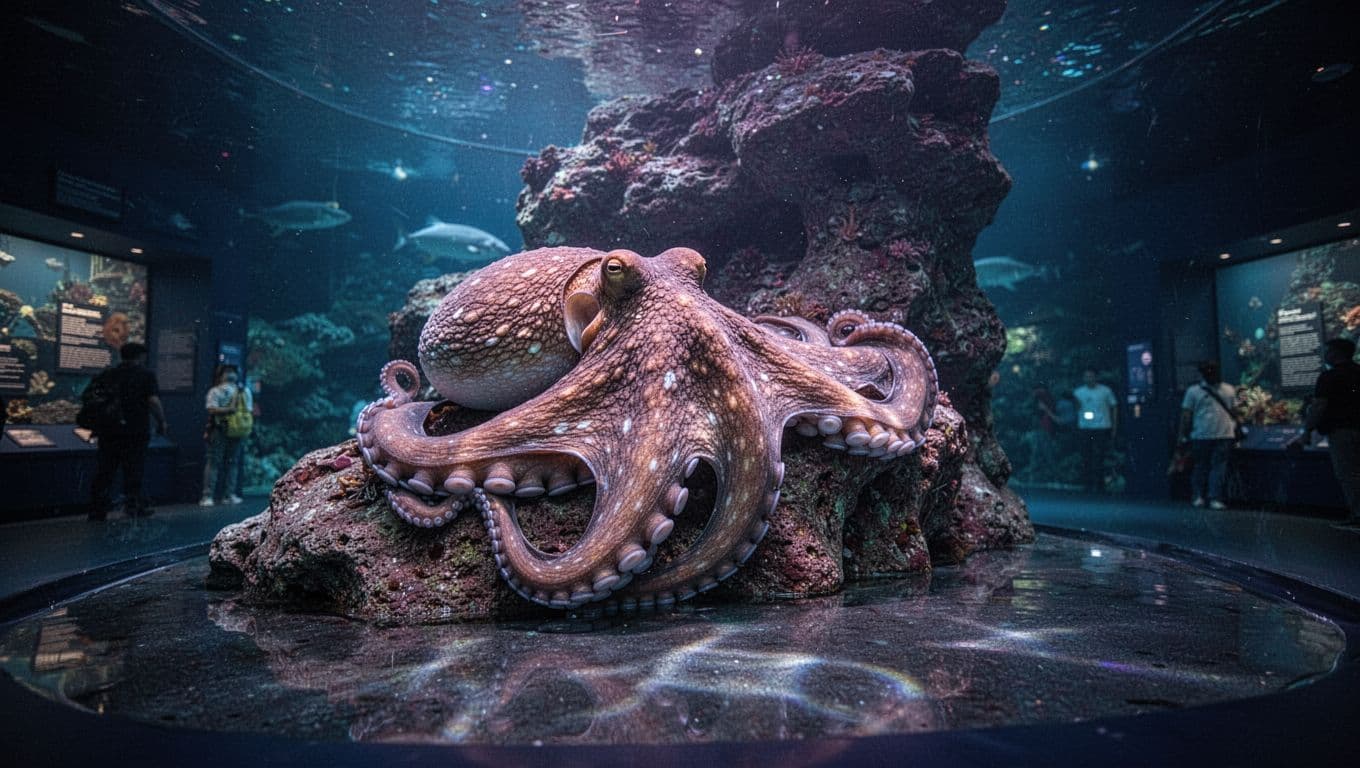
Photo by Oktay Köseoğlu
The Giant Pacific Octopus is the kind of exhibit that can stop a visit in its tracks. Even people who came for shells usually end up standing still here.
What makes the octopus so compelling is how much happens in one body. It can tuck itself into tight spaces, shift color, and change shape in a way that feels almost impossible. That constant motion keeps the tank interesting, even when the animal is resting.
Give yourself a few extra minutes here. A quick glance misses too much. Watch the way the octopus holds onto the rockwork or pulls an arm back into the shadows. Then look again. It may be in a completely different pose a moment later.
This is one of those displays that works best when you are not rushing. If you have kids with you, ask them to describe the octopus in their own words before they hear any facts. Their answers are often better than the label.
The museum's marine life exhibits make a strong case for slowing down. The octopus does that all by itself.
Catch a talk, tour, or class if your timing lines up
The museum is more than a walk-through building. It also offers talks, beach and nature walks, classes, and community science projects, so the experience can change depending on the day you visit. If you want the most current options, check the plan your visit page before you leave home.
That page matters more in 2026 than most people expect. Summer schedules shift, weather changes fast on Sanibel, and special programs can fill up. A quick check can save you from arriving too early or missing the thing you wanted most.
If you want a calmer visit, go early and check the day's schedule first.
Guided tours can also be a smart move for groups of 10 or more. They give you structure without making the visit feel stiff. You get more context, and you spend less time wondering what to do next.
If you like learning by asking questions, this is the section of the trip to build around. A good talk can make the shell galleries make sense in a new way. It gives names and facts to the shapes you already noticed.
The best part is that you do not need to plan the whole day around a program. Even one guided stop can add depth to an otherwise relaxed museum visit.
Bring kids into the fun with small challenges
Families get a lot out of the Bailey-Matthews Shell Museum because it gives kids something to look for, not just something to look at. The museum is known for scavenger hunt prizes for kids , which adds a playful edge to the visit.
That detail matters. When kids have a target, they stay engaged longer. A shell museum can feel quiet at first, but a simple challenge changes the mood fast.
You can make your own mini scavenger hunt too. Ask them to find the largest shell, the spikiest one, and the shell with the strangest color pattern. Then let them explain why they picked each one. It keeps the conversation moving and gives the visit a little shape.
Younger visitors also do better when the day has a few clear steps. Shell gallery first, touch pools next, then a short break. That rhythm helps them stay interested without getting worn out.
If you are traveling with a mixed-age group, the museum works well because everyone can find a different favorite. One person may love the quiet displays. Another may stay glued to the water tanks. That balance is what makes the stop easy to share.
Build a full Sanibel day without feeling rushed
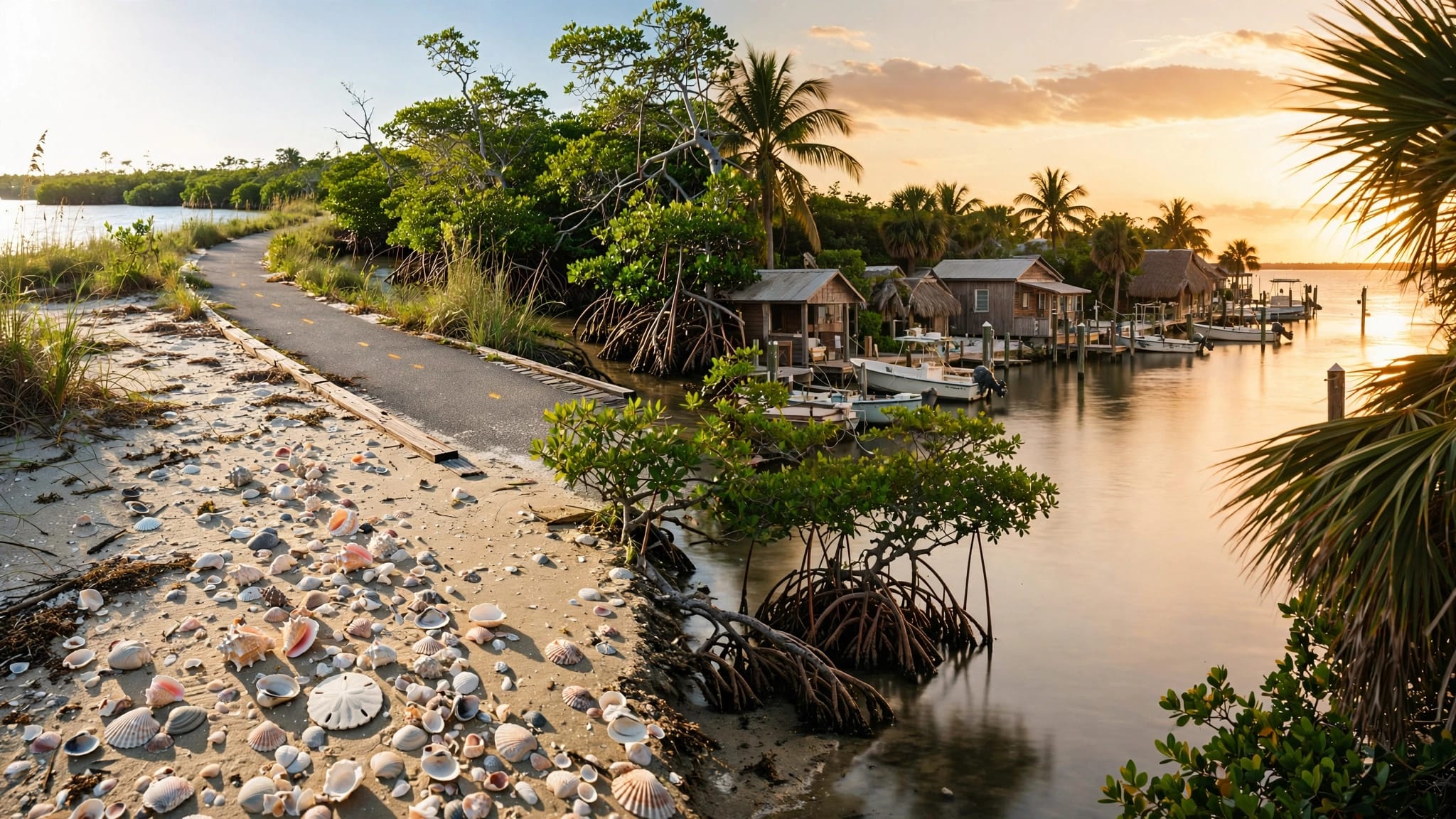
A museum visit on Sanibel works best when it fits into the day instead of taking it over. In June 2026, that matters even more because summer heat and afternoon rain can change plans fast.
Start with the museum in the morning, then leave time for lunch, shelling, or a beach stop afterward. That keeps the visit light and gives you room to enjoy the island at its own pace. If you try to stack too much into one block, you end up watching the clock instead of the exhibits.
The museum is also a smart choice for travelers who want one meaningful indoor stop between outdoor plans. It gives you a break from the sun without pulling you away from the coast. You still feel like you're on Sanibel, which is the whole point.
For visitors who prefer to keep errands off their plate, a local service like 1st Class Delivery can add a small VIP-style convenience to the day. Grocery runs, restaurant pickup, or airport transportation can free up time for the parts of the trip you actually want to enjoy.
That kind of help matters when the goal is a smoother vacation or an easier week at home. It leaves more space for the good parts, which is often the best plan of all.
Conclusion
The Bailey-Matthews Shell Museum works because it gives you more than shells in cases. It gives you a close look at marine life, a hands-on stop at the touch pools, and a chance to slow down for a while.
If you build your visit around one or two standout experiences, the whole stop feels richer. Start with the galleries, spend time with the living animals, and leave room for the octopus. That is the mix that makes a Sanibel visit feel memorable in 2026.