Best Things to Do at Naples Preserve in 2026
A short walk through Naples Preserve can feel far removed from the traffic along Tamiami Trail. Inside this small urban sanctuary, native slash pines, palms, wetlands, and birds create a peaceful break in the middle of Naples.
The best visit in 2026 is simple: walk the boardwalk, watch for wildlife, explore the native plant displays, and allow enough time to enjoy the preserve without rushing. A little planning also helps you handle Florida heat, rain, and seasonal hours.
Key Takeaways
- Naples Preserve protects roughly 9.5 acres of native Florida habitat.
- The short boardwalk makes the preserve easy to explore in about 30 to 60 minutes.
- Native plants, butterflies, birds, and reptiles are the main attractions.
- Morning visits usually offer cooler temperatures and better wildlife viewing.
- Check current city information before visiting, especially for education center hours or temporary closures.
Walk the Native Slash Pine Boardwalk
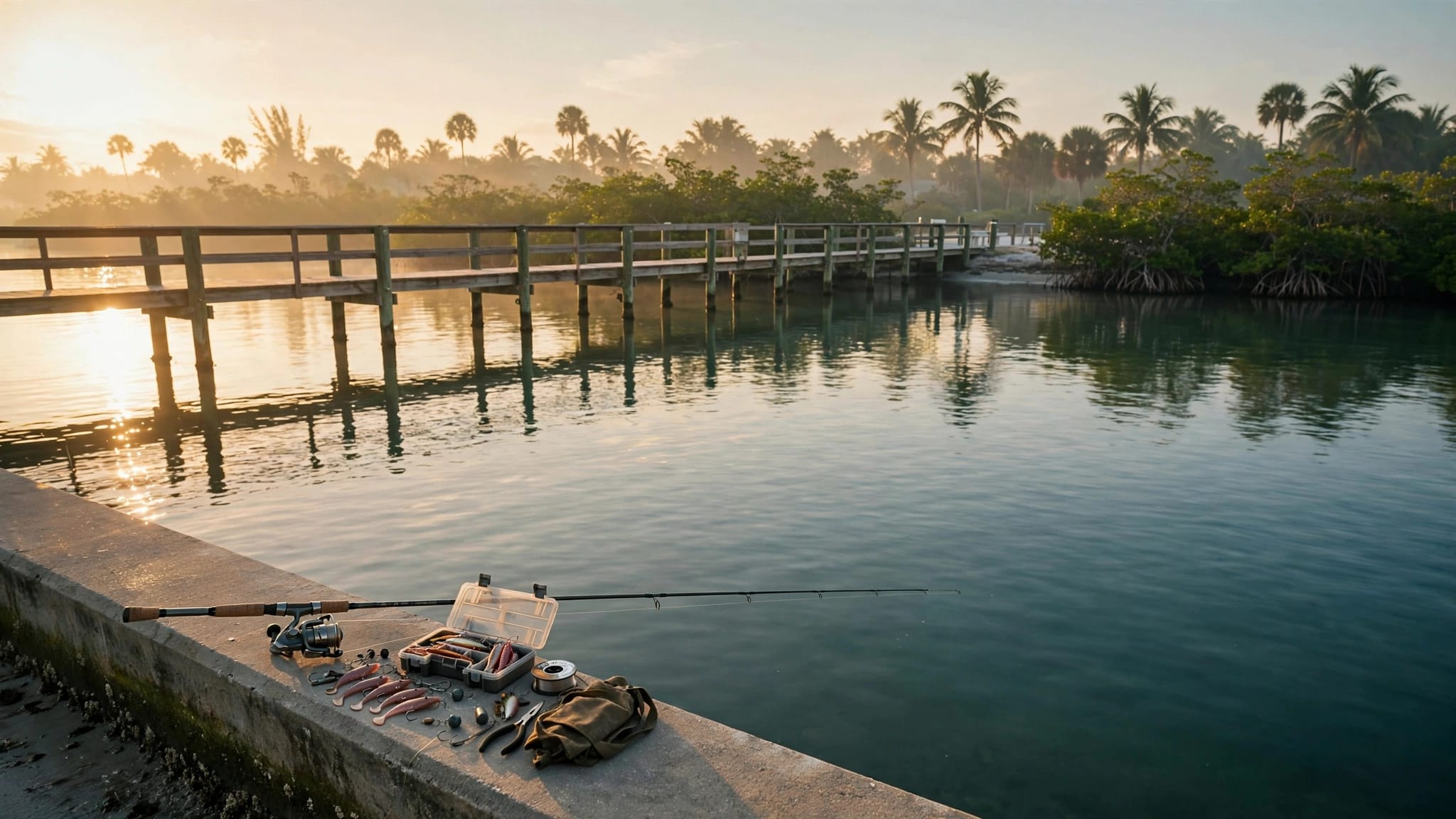
The boardwalk is the main attraction at Naples Preserve. It leads visitors through one of the last remaining stands of native slash pine habitat in the Naples area, where tall pines share the landscape with saw palmetto, cabbage palms, grasses, and low-growing shrubs.
The route is short, roughly 0.4 miles, so you don't need a full afternoon to enjoy it. Most visitors can complete the walk in 30 to 60 minutes. Move slowly, though. A quick lap can hide the small details that make the preserve interesting.
Look along the edges of the boardwalk for pine cones, lizards, insects, and small birds. The vegetation changes as the path passes through drier pine areas and lower, wetter ground. Interpretive signs help explain how these plants fit into Florida's natural systems.
The preserve is at 1690 Tamiami Trail East in Naples. Before leaving, check the City of Naples' Naples Preserve page for current access information, rules, and updates. Hours and facilities can change with maintenance, weather, or seasonal programming.
Comfortable shoes are enough for most visits because the boardwalk provides a firm walking surface. However, bring water and sun protection. Even a short route can feel hot during a Southwest Florida afternoon, especially when the sun is high.
The boardwalk rewards a slower pace. Pause at bends in the path, scan the vegetation, and listen before moving on.
Early morning is often the most comfortable time to walk. The light is softer for photography, temperatures are lower, and wildlife tends to be more active than during the hottest part of the day.
Spot Wildlife and Native Florida Plants
Naples Preserve is a good place to practice basic wildlife watching without committing to a long hike. The habitat attracts birds, butterflies, squirrels, anoles, and other small animals. You may also see tortoise activity or signs of animals that stay hidden during busy hours.
Birdwatchers should bring compact binoculars if they have them. Watch the pine canopy for movement, then check the shrubs and ground cover. Birds often appear for only a few seconds, so patience matters more than expensive equipment.
The preserve's plants deserve equal attention. Slash pines are easy to recognize by their tall, narrow shape and long needles. Saw palmetto forms dense clusters near the path, while cabbage palms rise above the lower vegetation. Together, these plants show what parts of coastal Southwest Florida looked like before extensive development.
Butterflies are more likely around flowering plants and the preserve's garden areas. Sunny mornings can be productive, especially during warmer months. Bring a phone camera, but avoid stepping off the boardwalk or reaching toward insects. A close photograph is better than disturbing the habitat.
Families can turn the walk into a simple nature game. Ask children to find different leaf shapes, identify colors in the vegetation, or listen for bird calls. Keep the activity quiet enough for animals to remain nearby.
The preserve also offers a useful lesson in habitat protection. Small natural areas can support wildlife even when they sit between roads, neighborhoods, and commercial buildings. That contrast is part of what makes a visit memorable.
Avoid feeding animals, picking flowers, or collecting pine cones. Stay on the marked route, and keep voices low when other visitors are watching wildlife. If you bring a dog, confirm the current pet rules before visiting because boardwalk and preserve policies can differ from ordinary city parks.
Visit the Education Center and Butterfly Garden
Allow extra time for the education center if it's open during your visit. The displays add context to the plants and animals you see outside, which helps turn a short walk into a more informative stop.
You can learn how native Florida habitats depend on water levels, fire, soil, and seasonal changes. The information is especially useful for visitors who wonder why a preserved pine area looks so different from a landscaped neighborhood or resort property.
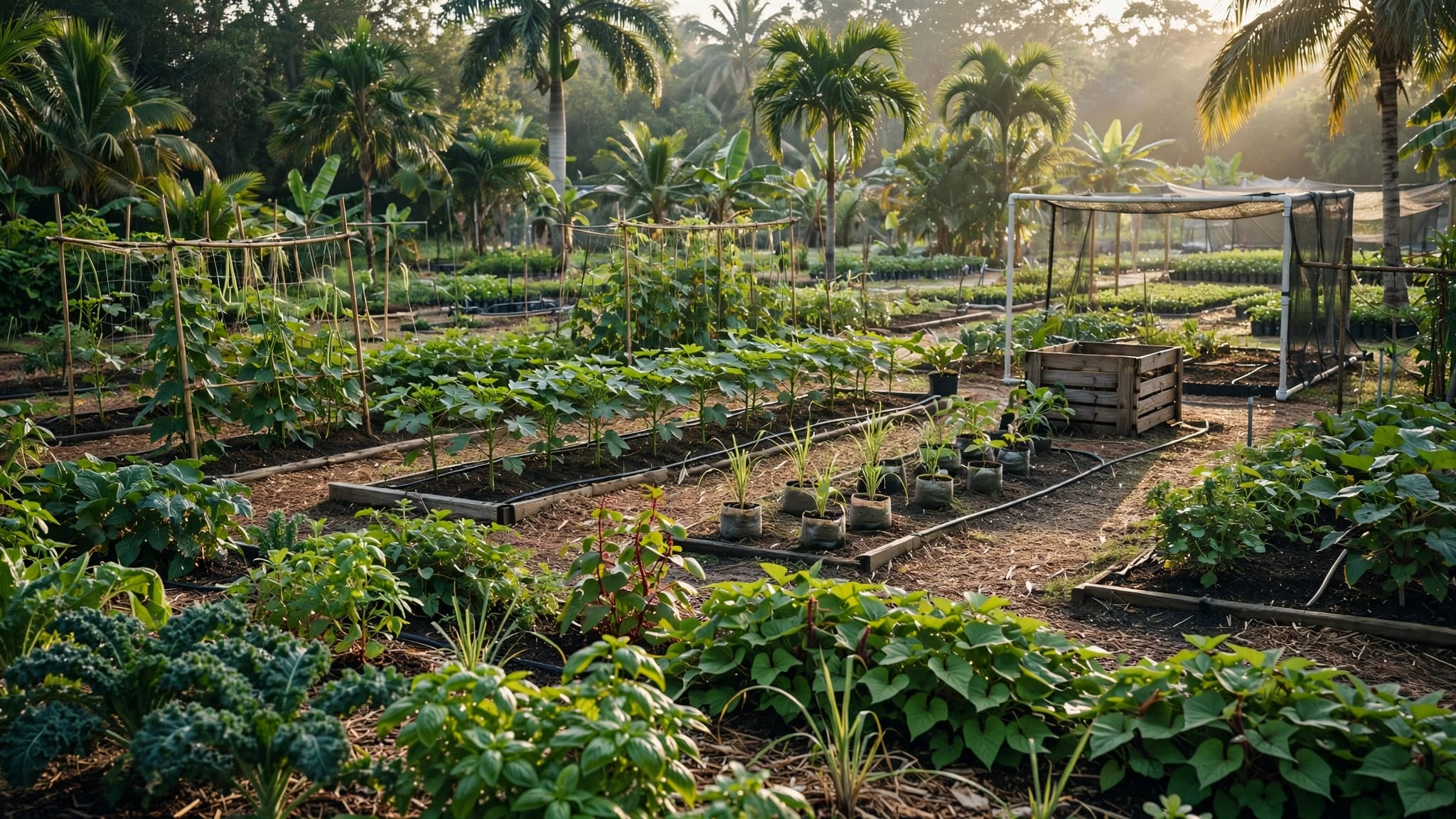
The butterfly garden is another worthwhile stop. Gardens with native plants provide food and shelter for butterflies and other pollinators. They also show homeowners which types of vegetation can support local species.
Keep in mind that the outdoor preserve and indoor facilities may follow different schedules. The boardwalk may be available during daylight hours while the education center operates only during posted seasonal times. Confirm the schedule before building your day around the indoor displays.
A visit during the cooler winter and spring months often gives you the best balance of comfortable walking and active garden life. Summer can bring more insects, sudden rain, and high humidity, but the preserve remains an appealing early-morning stop when conditions cooperate.
If your group wants a larger garden experience afterward, the Naples Botanical Garden visitor information can help you compare hours, admission details, and exhibits. The garden and Naples Preserve offer different experiences, so many visitors choose one based on how much time they have.
Plan the Most Comfortable Visit in 2026
Naples Preserve is easy to add to a Naples itinerary, but the timing of your visit matters. For most people, the best window is early morning. You will avoid the strongest midday heat and have a better chance of seeing active birds and butterflies.
The dry season, generally from late fall through spring, is popular because temperatures are more comfortable. Winter visitors should still bring water and sunscreen. Florida's sun remains strong even on mild days.
Summer visitors need a more flexible plan. Check the forecast before heading out, and avoid the boardwalk when thunderstorms are nearby. A short rain shower may pass quickly, but lightning requires a safe indoor location, not a covered section of the trail.
Bring only what you need:
- Water, sunscreen, and insect repellent
- Comfortable walking shoes
- A phone or camera
- Small binoculars for birdwatching
- A hat or light sun cover
Large coolers, bikes, and bulky gear can make the narrow route harder to use. Pack lightly and leave room for other visitors.
Parking and access details can change, so verify them before you arrive. Visitors with mobility concerns should also review current city information and contact the parks department if they need specific accessibility details. A boardwalk is easier to walk than a natural dirt trail, but conditions and access points still matter.
Naples Preserve works well as a first stop before breakfast, a quiet break between larger attractions, or a short outing before an airport transfer. Give yourself more time than the walk itself requires if you plan to take photographs or visit the education center.
Build a Relaxed Naples Nature Day
A preserve visit doesn't need to stand alone. Pair it with one nearby activity, then leave enough open time to enjoy lunch or return to your lodging without watching the clock.
One practical plan starts with an early walk at Naples Preserve. Afterward, stop for breakfast or coffee, then choose a longer attraction such as the Naples Botanical Garden. Another option is to visit the preserve before an afternoon at the beach, keeping the morning focused on shade, plants, and wildlife.
Visitors staying in vacation rentals can also remove routine errands from the schedule. A VIP-style convenience service such as 1st Class Delivery's local delivery service can help with food, household goods, pharmacy items, flowers, and other pickups. Airport transportation and errand support can also be useful when you want to spend your limited vacation time enjoying Naples instead of driving around town.
Residents can use the same approach for a low-effort weekend outing. Arrange grocery or restaurant delivery, visit the preserve in the morning, and keep the rest of the day open. Careful planning makes the preserve feel like part of a calm local routine rather than another appointment.
If you are traveling with children, plan one main attraction and one short stop. Naples Preserve is compact enough to fit that schedule, and the boardwalk gives young visitors a clear route without requiring a long hike.
Photography enthusiasts should allow extra time and visit twice if possible. Morning light and afternoon light show the pine canopy differently, while seasonal flowers bring new activity to the garden. Always photograph from the path and avoid blocking the boardwalk.
Conclusion
Naples Preserve offers a short, accessible way to see native Southwest Florida habitat without leaving Naples. Walk the slash pine boardwalk, study the plant life, look for birds and butterflies, and check the education center when it's open.
For the most comfortable experience in 2026, visit early, carry water, watch the weather, and confirm current hours before you go. The preserve may be small, but a patient walk can reveal far more than a quick pass through the entrance.