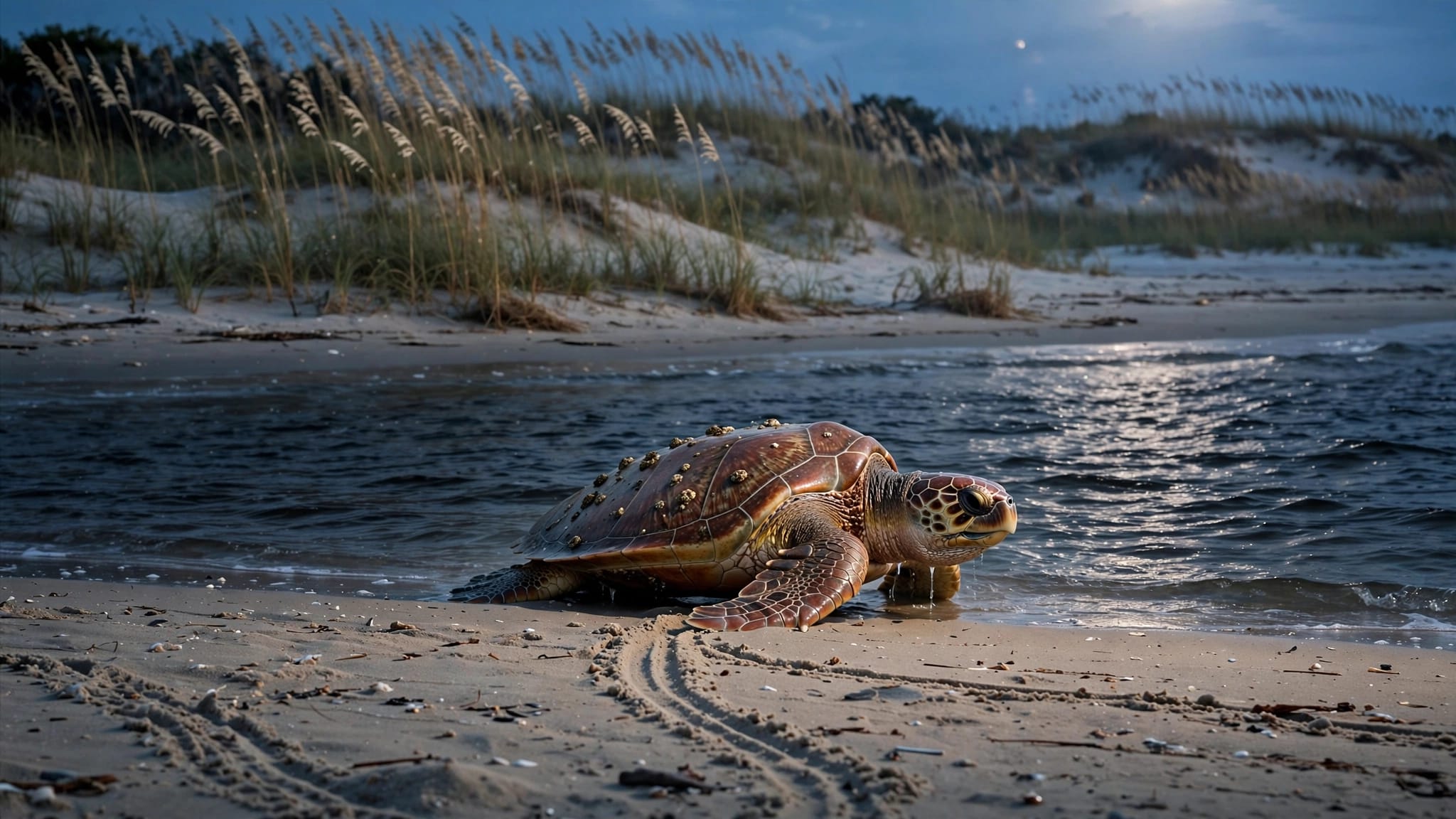
Best Things to Do at CROW on Sanibel in 2026
A visit to CROW Clinic on Sanibel Island offers a close look at Florida wildlife care without turning rehabilitation patients into a sideshow. The public Visitor Education Center combines exhibits, animal stories, and carefully managed views of the hospital.
The best experience starts with realistic expectations. You can learn about treatment and see selected animal ambassadors, but most patients and medical areas remain protected from public access. Here is how to plan a respectful, worthwhile visit in 2026.
Key Takeaways
- Visit the public Visitor Education Center for exhibits, wildlife stories, and educational programs.
- Expect restricted access around hospital rooms, nurseries, flight cages, and active treatment areas.
- Check CROW's current hours, admission prices, and tour schedule before traveling to Sanibel.
- Never touch, feed, chase, or bring wildlife to the clinic without calling first.
- Use a local delivery service if groceries, meals, pharmacy pickups, or airport transportation would make your island day easier.
Start at the Visitor Education Center
The Visitor Education Center is the main public attraction at CROW, located at 3883 Sanibel-Captiva Road. It gives visitors a structured way to understand wildlife rehabilitation while protecting animals from unnecessary noise and contact.
Inside, you can learn how injured birds, mammals, and reptiles arrive at the hospital. Exhibits often explain common injuries, medical evaluations, rehabilitation steps, and the work required before an animal can return to the wild. Displays also connect local wildlife problems to everyday choices, such as unsecured trash, fishing line, vehicle traffic, and feeding wild animals.
CROW's public information can change with seasons, staffing, weather, and patient-care needs. Before your 2026 visit, check CROW's official visitor information for current hours, admission prices, tour availability, and special programs. The center generally operates during daytime hours, but you shouldn't rely on an older travel listing.
Plan about an hour for a focused visit. Families who read each exhibit and join a program may want longer. Arriving earlier in the day can also give you more time to ask staff questions before the center closes.
The experience suits visitors who want more than a quick photo stop. You leave with a clearer understanding of why wild animals need distance, quiet, and professional care.
See the Hospital Without Entering Restricted Areas
CROW is a working wildlife hospital, not a conventional zoo. That difference shapes what visitors can do.
Designated public viewing areas may provide a glimpse into parts of the hospital or rehabilitation process. Depending on the day's activity, you might see staff moving equipment, preparing food, or caring for animals from an approved viewing point. You may also see signs, X-rays, videos, or case information that show what happens beyond the public exhibits.
However, visitors cannot freely enter treatment rooms or rehabilitation spaces . Nurseries, intensive-care areas, surgical rooms, outdoor flight cages, and animal holding spaces need controlled conditions. Staff may close a viewing area without notice if an animal needs privacy or immediate care.
That limit protects patients. Many arrive weak, frightened, or disoriented. A crowd, loud conversation, flash photography, or a curious hand can add stress and slow recovery.
CROW's most meaningful visitor experience is observation, not interaction. The animals are there for care, not entertainment.
If you take photographs, follow posted rules and turn off the flash. Don't tap on glass, call to an animal, or try to draw its attention. A quiet visitor may see less action, but causes far less disruption.
You also shouldn't assume every animal in the hospital will be visible. Some patients stay in treatment areas, while others rest in covered enclosures. A quiet observation window can still tell you a lot about the care process.
Look for Animal Ambassadors and Educational Programs
Some wildlife cannot return to the wild because of permanent injuries or other conditions. CROW may care for animal ambassadors that support public education. These animals help visitors understand species that live in Southwest Florida, including their behavior, physical features, and place in the local environment.
The animals available for viewing can change. Staff decide what is appropriate based on health, weather, daily routines, and educational needs. A scheduled ambassador appearance is never a promise that an animal will perform or come close to visitors.
Join a guided tour when available
A guided tour can add useful context to the exhibits. Staff or trained educators may explain how CROW evaluates a patient, why rehabilitation spaces have different designs, and what visitors should do after finding an injured animal.
Tour schedules and formats can vary in 2026. Ask about availability when you arrive, or check the official visitor page before leaving your hotel or rental. If a tour requires separate registration or has limited capacity, booking early will help.
Give children a simple wildlife mission
Children often get more from the visit when they have one clear thing to watch for. Ask them to identify an animal's natural food, notice how an exhibit describes an injury, or find one way people can reduce risks for wildlife.
Keep the lesson practical. Wildlife doesn't need to be approached to be appreciated. That message matters on Sanibel, where visitors regularly encounter shorebirds, wading birds, turtles, and other animals outdoors.
Visit the gift shop
If the center has its gift shop open during your visit, it provides a low-key way to support CROW's work. Choose an educational book, wildlife-themed item, or small gift that reinforces what you learned.
Purchases don't replace a donation, but they can help you carry the lesson home. Children may remember a book about local birds longer than a rushed photograph.
Plan Your Sanibel Visit Around Comfort and Timing
CROW is easiest to enjoy when you treat it as one stop in a thoughtful island itinerary. Check the day's hours first, then allow extra time for traffic on Sanibel-Captiva Road, parking, and the pace of your group.
Wear comfortable clothing and shoes. Even if your main time is indoors, Southwest Florida heat and humidity can make short walks feel longer. Bring water, especially during the warmer months.
The center is a better choice during the hottest part of the day than an exposed outdoor activity, but don't assume every part of the property is air-conditioned or open. Call ahead if someone in your group needs specific accessibility arrangements, seating, or other assistance.
Avoid planning a rushed visit just before closing. Staff may need to stop admissions before the posted closing time, and late arrivals may miss a tour or educational presentation. CROW's current schedule should guide your plans.
Sanibel's weather can also affect travel. Heavy rain, lightning, tropical weather, or storm recovery work may change public access. The City of Sanibel's visitor and service information can help with broader island updates, while CROW remains the best source for clinic-specific changes.
Follow Wildlife Rules at CROW and Beyond
The most important rule is simple: don't bring or disturb wildlife .
If you find an injured bird, turtle, mammal, or reptile, keep people and pets away. Don't feed it, give it water, move it for a better photograph, or attempt home treatment. Wild animals can bite, scratch, carry disease, or suffer additional injury when handled by untrained people.
Call CROW before transporting an animal. Staff can explain whether the animal needs help, how to contain it safely if transport is appropriate, and where to take it. The Florida Fish and Wildlife Conservation Commission also provides guidance for injured or orphaned wildlife.
A young bird on the ground isn't always abandoned. Some fledglings spend time outside the nest while their parents continue feeding them. Picking up a healthy young animal can separate it from the adult that is caring for it.
The same care applies outdoors. Keep a respectful distance from nesting birds, resting shorebirds, and sea turtles. Never block an animal's path to water, feed wildlife for a closer view, or use a drone near animals.
CROW's visit is much more useful when it changes how you behave after leaving. You may notice fishing line on the beach, unsecured garbage near a rental, or a bird that needs space. Those small observations can prevent future injuries.
Make a CROW Day Easier With Local Delivery
Errands can take a surprising amount of time on an island, especially during a busy season. If you're staying in a vacation rental, you may want groceries, breakfast, drinks, pharmacy items, or beach supplies waiting for you instead of spending the morning driving between stores.
1st Class Delivery offers local delivery and errand-running services in nearby Southwest Florida communities, including Sanibel. Visitors can ask about grocery and personal shopping, restaurant food, alcohol delivery, pharmacy pickup, dry-cleaning pickup, and airport transportation.
For a vacation rental, that can feel like a VIP convenience option . You can arrange essentials while keeping your afternoon open for CROW, the beach, or a quiet meal. Insulated carriers also help protect hot and cold food during delivery.
The service can help residents too. A scheduled pharmacy pickup, document run, bank deposit, or catering delivery may free up time for work or family. Check service availability, timing, and any identification requirements before booking.
Add One Nearby Nature Stop
CROW fits well with another conservation-focused activity, as long as you leave enough time between stops. The Sanibel-Captiva Conservation Foundation offers local conservation information, programs, and outdoor opportunities that can extend the wildlife lesson beyond the clinic.
Choose one additional stop rather than filling the day with too many attractions. A slower schedule gives you time to observe birds without rushing, eat lunch, and return to your rental before the hottest hours.
The goal isn't to collect as many photos as possible. A good Sanibel day might include a CROW exhibit, a calm walk, and a better understanding of how to share the island with its wildlife.
Conclusion
CROW Clinic Sanibel Island visits are most rewarding when you focus on learning, quiet observation, and respect for restricted hospital areas. The Visitor Education Center, guided programs, animal ambassadors, and public viewing spaces offer plenty to see without handling or disturbing patients.
Check the 2026 schedule before you go, call CROW if you find injured wildlife, and arrange delivery help when errands would cut into your island time. That leaves more room for the kind of Sanibel experience CROW encourages, appreciating wild animals without getting in their way.