Florida Panther National Wildlife Refuge Guide 2026
A Florida panther probably won't pose beside the trail for your camera. That uncertainty is part of visiting this protected southwest Florida habitat, where the landscape matters as much as any sighting.
The Florida Panther National Wildlife Refuge offers a rare chance to walk through the upper Fakahatchee Strand near Immokalee. However, public access is limited, services are basic, and summer conditions can change quickly. Use this 2026 guide to plan around the open trails, current closures, wildlife rules, and Florida heat.
Key Takeaways
- Only two interconnected hiking loops, totaling about 1.7 miles , are open for general public access.
- The trails and parking area are open sunrise to sunset, seven days a week , with no entry fee.
- The headquarters at 12085 SR 29 South is temporarily closed for construction and has no public access.
- Call 239-657-8001 before visiting during wet weather or summer months.
- Pets, firearms, overnight use, collecting plants or animals, and feeding wildlife are prohibited.
Know What Is Open in 2026
The refuge is much larger than the area visitors can explore. More than 95% of the property is closed to general public access , including habitat managed for the Florida panther and other wildlife. Visitors can use two connected hiking loops in the refuge's southeast corner.
That limited access is easy to misunderstand. This isn't a traditional national park with a large visitor center, scenic road, gift shop, or many developed trails. The public area is a small, quiet trail system surrounded by protected swamp habitat.
The refuge headquarters at 12085 SR 29 South, Immokalee, FL 34142 , remains temporarily closed for construction in 2026. Don't drive to that address expecting an open office, restrooms, maps, or staff at the door. For construction updates, contact floridapanther@fws.gov .
The U.S. Fish and Wildlife Service manages the refuge. Its official Florida Panther refuge page is the best place to check for current notices, maps, regulations, and any changes to access.
The refuge sits about 20 miles east of Naples, within the upper Fakahatchee Strand of the Big Cypress Swamp. Immokalee is the closest nearby community for basic supplies, but you should arrive prepared instead of counting on finding services at the trailhead.
A visit works best for people who enjoy quiet walking, native vegetation, birdwatching, and the chance to see signs of wildlife. It may disappoint visitors who expect a guaranteed panther encounter or a full-day attraction with multiple activities.
Hours, Fees, and Conditions for Summer 2026
The public trails and parking lot are open from sunrise to sunset, seven days a week . There is no regular admission charge, and general trail use doesn't require a permit. Overnight parking and camping aren't allowed.
Those hours don't mean the trail is always comfortable or accessible. During Florida's wet season, high water can affect portions of the limestone trail. Mosquitoes and other biting insects can also become intense, especially after rain and during humid summer mornings.
Before leaving, call the refuge at 239-657-8001 for current trail conditions. This step matters during July and other wet-season months because a trail that was walkable recently may hold standing water after heavy rainfall.
Pay attention to the gates at the SR 29 entrance. A locked gate means the refuge is closed for land-management activities , not that visitors should park outside and walk in. Never move a barrier or enter around a closed gate.
The refuge doesn't list a general-use entrance fee for 2026. Voluntary donations to the Friends of the Florida Panther Refuge are separate from admission and aren't required for a hike.
| Visitor detail | 2026 information |
|---|---|
| Public access | Two interconnected hiking loops |
| Total trail distance | About 1.7 miles |
| Open hours | Sunrise to sunset, daily |
| Entry fee | Free |
| Overnight use | Prohibited |
| Headquarters | Temporarily closed for construction |
| Trail condition phone | 239-657-8001 |
| Refuge email | floridapanther@fws.gov |
The key point is simple: free access doesn't mean casual access. Check conditions, bring supplies, and treat the refuge as a remote nature walk rather than a staffed attraction.
Finding the Trailhead Near Immokalee
Driving is the practical way to reach the public trails. Public transportation is limited, and rideshare availability in this rural area may be unreliable, especially for a return trip.
From Naples and the west coast, take I-75 east toward Alligator Alley. Use Exit 80 , then follow State Road 29 north. The refuge entrance is about one-quarter mile north of Alligator Alley on the west side of SR 29. Look for the open gate and brown hiking-trail signs.
A GPS pin for the trailhead is approximately 26.16173, -81.34627 . Enter the trailhead coordinates rather than relying only on the closed headquarters address. Once inside the entrance, follow the limerock road to the parking area.
Conditions around the entrance may look more rural than visitors expect. Keep your speed low, watch for turning vehicles, and don't block the gate or stop along SR 29. Cell service can vary, so download directions before leaving your hotel or rental home.
The trailhead has a basic privy , but the refuge doesn't offer a staffed visitor center or a full range of visitor facilities. Bring drinking water, snacks, sunscreen, insect repellent, and any medication you may need for the entire outing.
Closed-toe shoes are a better choice than sandals. Long, lightweight pants can help protect against mosquitoes and vegetation. A hat, binoculars, and a charged phone are useful additions, although phone service shouldn't replace a basic plan for getting back to your vehicle.
Plan your fuel and food stops before reaching the refuge. The area isn't designed for visitors who forgot water or need a quick restaurant break.
What the Trails Are Like
The publicly accessible trail system totals about 1.7 miles across two interconnected loops . The Leslie Duncan Memorial Trail is the named loop identified in refuge information. Its surface is hard-packed limestone, although water levels can affect how easy it is to use.
You won't need a permit for an ordinary hike. Stay on the marked paths, follow any posted notices, and turn around if water or trail damage makes a section unsafe. Walking farther into closed habitat isn't permitted, even if an unofficial path looks inviting.
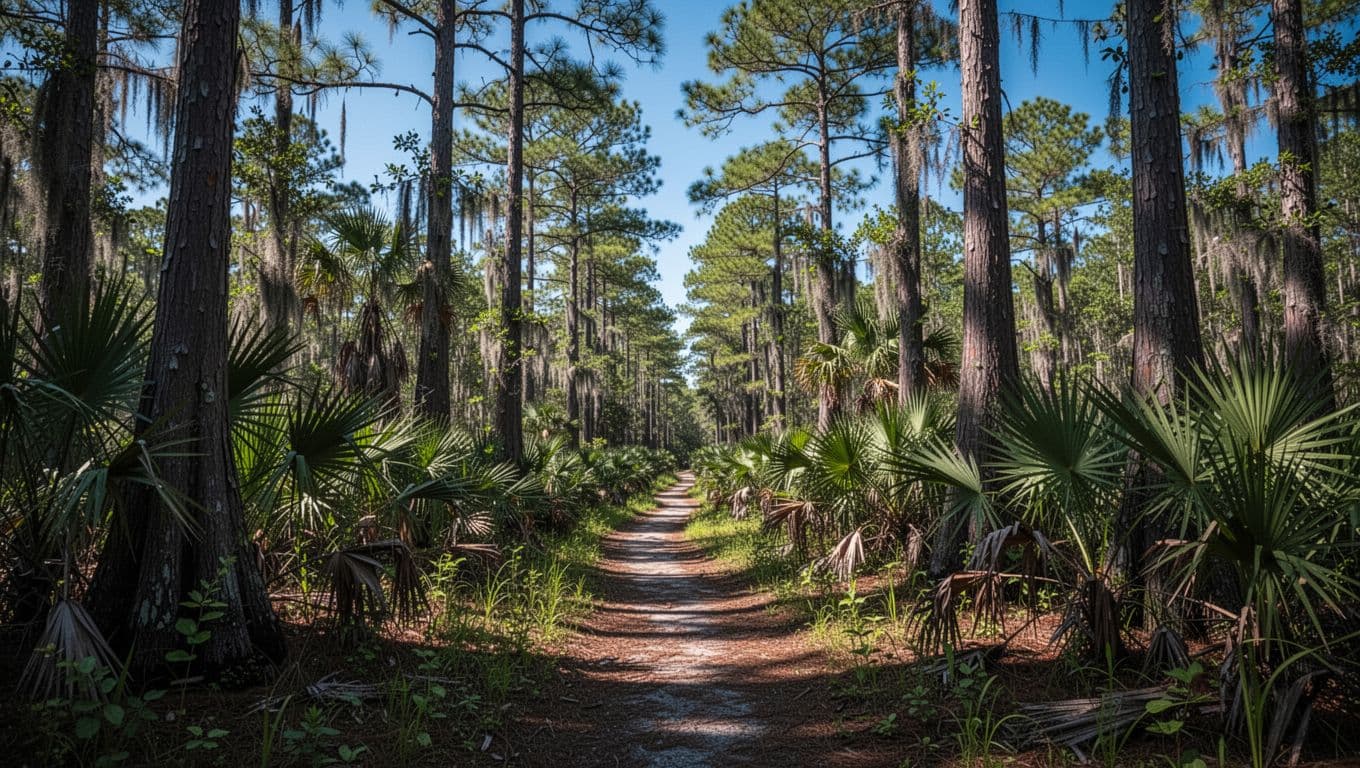
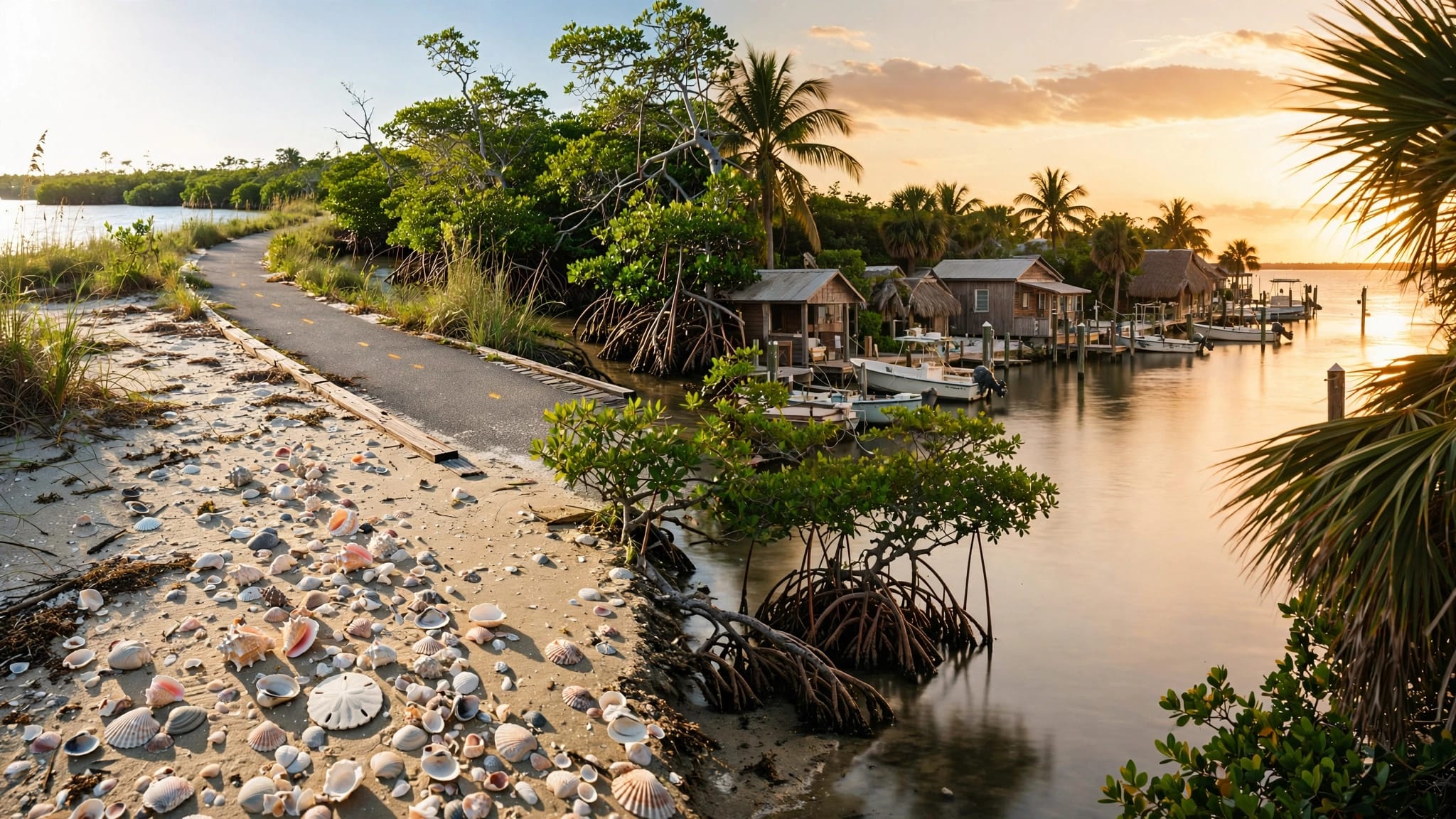
The setting includes cypress, pine, saw palmetto, wet prairie, and other vegetation associated with the Big Cypress region. The trail may feel open in one stretch, then shaded and enclosed in another. Water levels change the character of the walk throughout the year.
Expect a short nature hike rather than a strenuous trek. Heat, humidity, wet footing, and insects are more likely to determine the difficulty than elevation. A mile can feel long when the sun is high and the air is still.
The loops are suitable for a focused morning or a brief stop during a broader Collier County itinerary. Allow extra time if you're photographing plants, listening for birds, or waiting quietly at a water edge. Rushing through the trail makes it easier to miss movement in the brush.
Accessibility can depend on current water levels. The limestone surface may work for some visitors with mobility needs, but the refuge doesn't guarantee that every section will remain firm or passable in wet conditions. Call before traveling if a smooth, predictable route is important for your group.
Wildlife Watching Without Disturbing the Refuge
The refuge protects habitat for the endangered Florida panther, but visitors shouldn't plan around seeing one. Panthers are secretive, wide-ranging animals, and the public trails cover only a small part of the refuge.
A quiet walk may reveal tracks, scat, rustling vegetation, or distant movement instead of a clear animal sighting. Birds are often more realistic subjects for casual wildlife watching. Depending on conditions, you may also notice wading birds, hawks, turtles, deer, frogs, or alligators.
Wildlife activity can change with temperature, water levels, and time of day. Early morning is usually more comfortable for people, while the cooler hours also give you more time to listen and observe before the heat builds. Still, no hour guarantees a panther or any other animal.
Bring binoculars if you have them. A camera with a zoom lens is safer and more useful than trying to approach wildlife for a closer photograph. Stay on the trail and keep a wide distance from anything you see.
Alligators and snakes are possible in swamp habitat. Watch where you step, avoid tall grass beside the marked route, and never approach an animal for a photo. If an animal blocks the path, give it time and space rather than trying to make it move.
Feeding wildlife is strictly prohibited. Food changes animal behavior and can place both visitors and animals at risk. Do not leave scraps, call animals toward you, or imitate sounds to attract them.
The same care applies to plants and other natural features. Visitors may not remove plants, berries, animals, or other protected materials. A photograph is the appropriate souvenir.
For a different wildlife experience near the coast, visitors staying on Sanibel can compare the refuge with activities at J.N. Ding Darling Refuge, which has a separate visitor setup and activity schedule.
Rules, Safety, and Responsible Access
Refuge rules protect visitors, wildlife, and the habitat. Read posted notices before starting, even if you've visited in another season.
Pets are prohibited on the trails and in the parking lot. Leave dogs at your lodging rather than planning to keep them in the car. Florida heat can become dangerous quickly, and pets aren't allowed in the public trail area anyway.
Firearms are prohibited on the refuge's public trails and parking area. Anyone reviewing state carry laws should also check the refuge's current federal rules before arriving. Don't assume a Florida permit overrides refuge regulations.
Stay on marked trails and don't enter closed sections. The public boundary is part of the safety plan, not a suggestion. Closed areas may contain sensitive habitat, active management work, or conditions that visitors can't assess.
Overnight use and overnight parking aren't permitted. Plan to finish well before sunset, return to your vehicle during daylight, and avoid arriving near closing time if you still need to walk the full loop.
Weather deserves attention in every season. Summer brings heat, humidity, thunderstorms, high water, and biting insects. Winter's drier conditions can make walking easier, but the Florida sun still calls for water and sun protection.
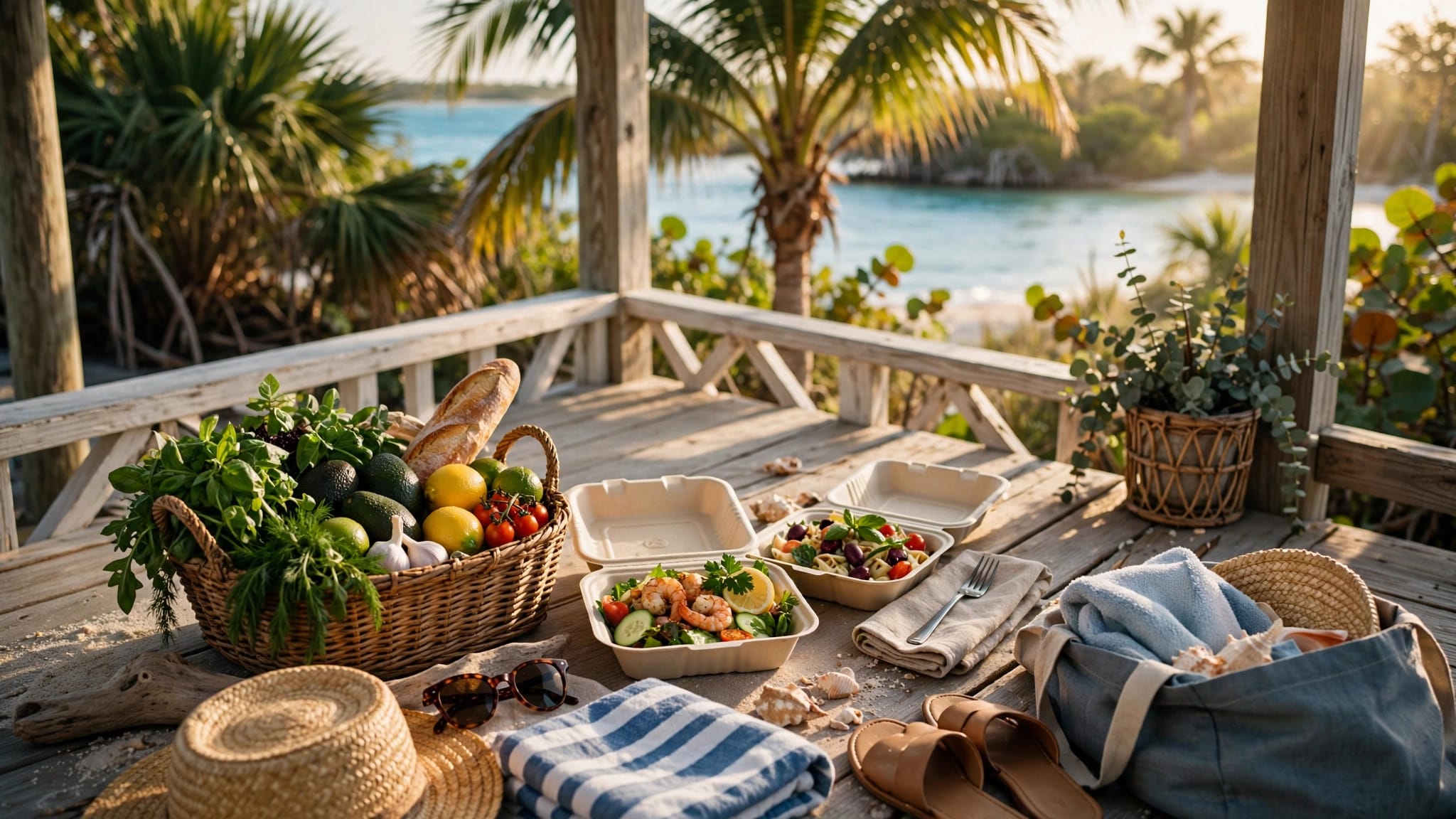
A practical daypack should include:
- Plenty of drinking water and a small snack
- Insect repellent, sunscreen, and a hat
- Closed-toe shoes with a firm sole
- Binoculars or a camera with a zoom lens
- A charged phone and downloaded directions
- Any personal medication needed during the visit
Seasonal turkey hunting is allowed in designated circumstances, but it is a separate regulated activity. Hunters need the required state and refuge permits. General hiking doesn't require a hunting permit, but visitors should follow any posted seasonal notices and avoid entering closed areas.
The refuge's local visitor information page from Everglades City can provide added regional context, but the U.S. Fish and Wildlife Service controls current closures and rules.
Plan a Comfortable Half-Day Visit
A simple schedule prevents most problems. Check the forecast and call the refuge before breakfast, especially during the wet season. If the office reports poor trail conditions or the gate is closed, don't make the drive anyway.
Leave early enough to reach the trailhead after sunrise. The first hours of daylight usually offer cooler temperatures and better walking conditions. Park inside the designated area, use the privy if needed, and finish your preparations before entering the loop.
Move at a steady pace rather than treating the trail as a race. Stop at open areas, scan vegetation with binoculars, and listen before continuing. Keep voices low, but don't sacrifice safety by walking silently around bends where other hikers or wildlife may be present.
Most visitors can complete the public loops without spending a full day. Add time for photography and natural pauses, then leave before the heat becomes uncomfortable. Because there is no overnight use, your vehicle should be back on the road during daylight.
The refuge pairs well with a broader southwest Florida trip, but don't combine too many distant stops. A morning hike followed by lunch in the Naples or Immokalee area is more realistic than trying to cross the region several times.
If you're staying on Captiva, a separate coastal day may fit better. The guide to wildlife viewing near Captiva Island covers a different type of nature outing and helps set expectations for the Sanibel-Captiva area.
Spend More Vacation Time Outside
A refuge visit takes planning because there are no convenient food, grocery, or pharmacy stops inside the property. Visitors staying in Cape Coral, Sanibel, Matlacha, St. James City, or Captiva can arrange those errands before heading out.
1st Class Delivery offers a VIP-style convenience service for visitors and residents who want to spend their time enjoying vacation or everyday life instead of running errands. Depending on location and availability, the locally focused service can handle grocery and personal shopping, restaurant pickup, pharmacy items, flowers, alcohol, dry cleaning, and party supplies.
That can help when your group returns from a morning outdoors and doesn't want to spend the afternoon driving between stores. The service also handles business errands, document delivery, catering pickups, bank deposits, post office runs, and airport transportation.
Schedule deliveries around your actual itinerary, and confirm service coverage and timing before the refuge visit. The refuge itself isn't a delivery destination for ordinary visitor errands, so complete pickups at your lodging or another approved location.
A little planning keeps the day focused. Water and trail supplies should be ready before you leave, while meals, groceries, and other items can be arranged for later.
Conclusion
The Florida Panther National Wildlife Refuge is a small public window into a much larger protected landscape. In 2026, the practical plan is clear: use the two open loops, visit between sunrise and sunset, check trail conditions, and respect the refuge's closed areas and wildlife rules.
A panther sighting is never promised. The walk is still worthwhile when you notice a cypress shadow, a bird moving across the wetland, or fresh tracks beside the trail. Preparation makes the quiet experience possible , and responsible visitors leave the habitat ready for the next person and the animals that depend on it.