Cape Coral Historical Museum: What to See in 2026
Cape Coral's canals and newer neighborhoods can make the city feel young, but its story reaches back through bold development plans, early settlers, and changing Florida life. The Cape Coral Historical Museum , officially called the Cape Coral Museum of History, brings that story into one focused visit.
In 2026, the museum adds special meaning to the nation's 250th anniversary with a temporary exhibit connecting American history to local experiences. A guided tour, careful planning, and a little extra time can turn a short stop into one of the most worthwhile cultural activities in Cape Coral.
Key Takeaways
- The 2026 exhibit, "Salute to America: Celebrating 250 Years of American History," opened July 2 and runs through the end of the year.
- Guided tours are required, with hourly start times and a maximum of eight visitors per group.
- Museum displays connect Cape Coral's planned-community origins with broader American history.
- Admission is affordable, but visitors should confirm hours, prices, and tour availability before arriving.
- Special events can add a different experience, so check the current museum calendar when planning your day.
Start With Cape Coral's Story, Not a Quick Photo Stop
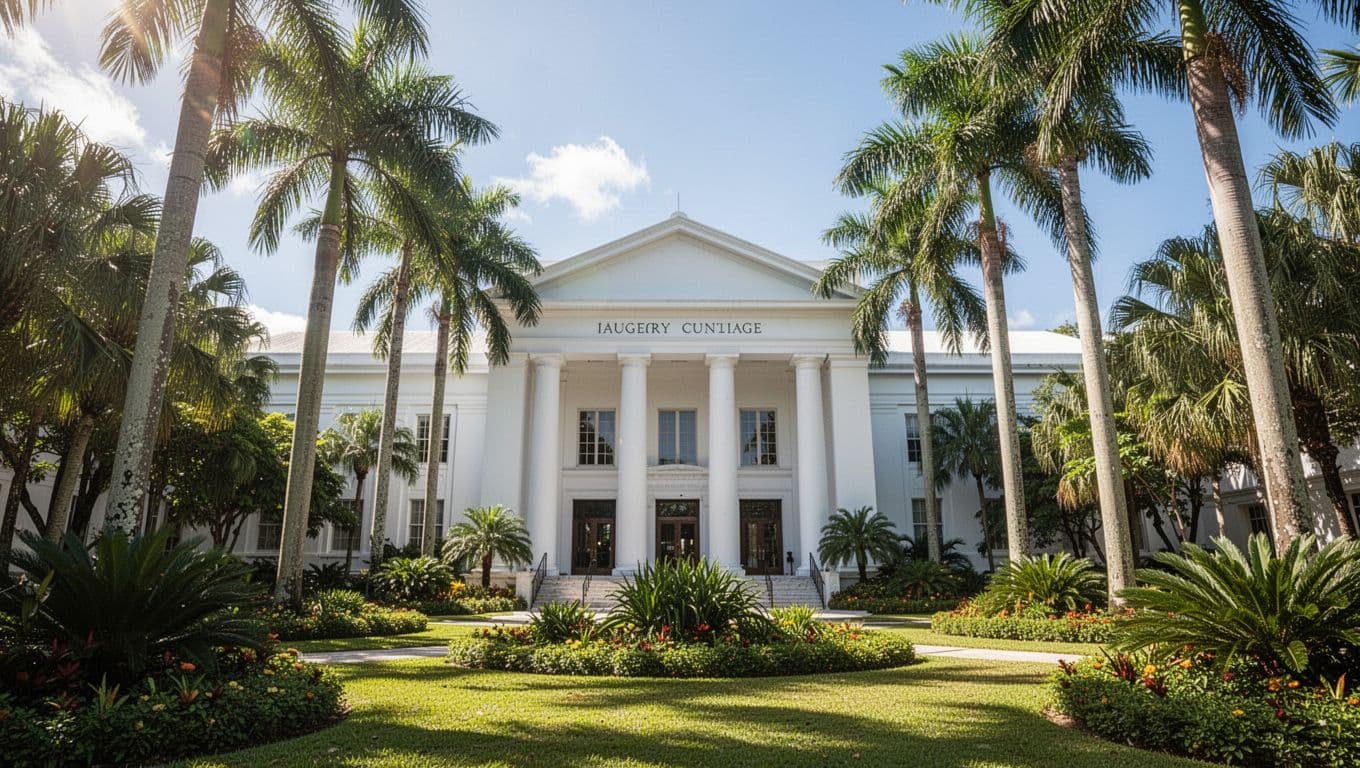
The Cape Coral Museum of History is at 544 Cultural Park Boulevard, Cape Coral, FL 33990 , inside Cultural Park. It has about 2,500 square feet of exhibit space, so the experience feels focused rather than sprawling. You won't need an entire day to see it, but rushing through can mean missing the details that make the displays interesting.
Cape Coral has a distinct origin story. Unlike many older Florida cities that grew around a historic downtown, the community developed as a planned project built around canals, residential neighborhoods, and a new vision for waterfront living. The museum helps visitors understand how that plan took shape and how residents experienced the city's early years.
The museum is also the only institution in Cape Coral dedicated to the area's history. That makes it useful for first-time visitors, longtime residents, and families trying to understand why the city looks and functions differently from nearby Fort Myers.
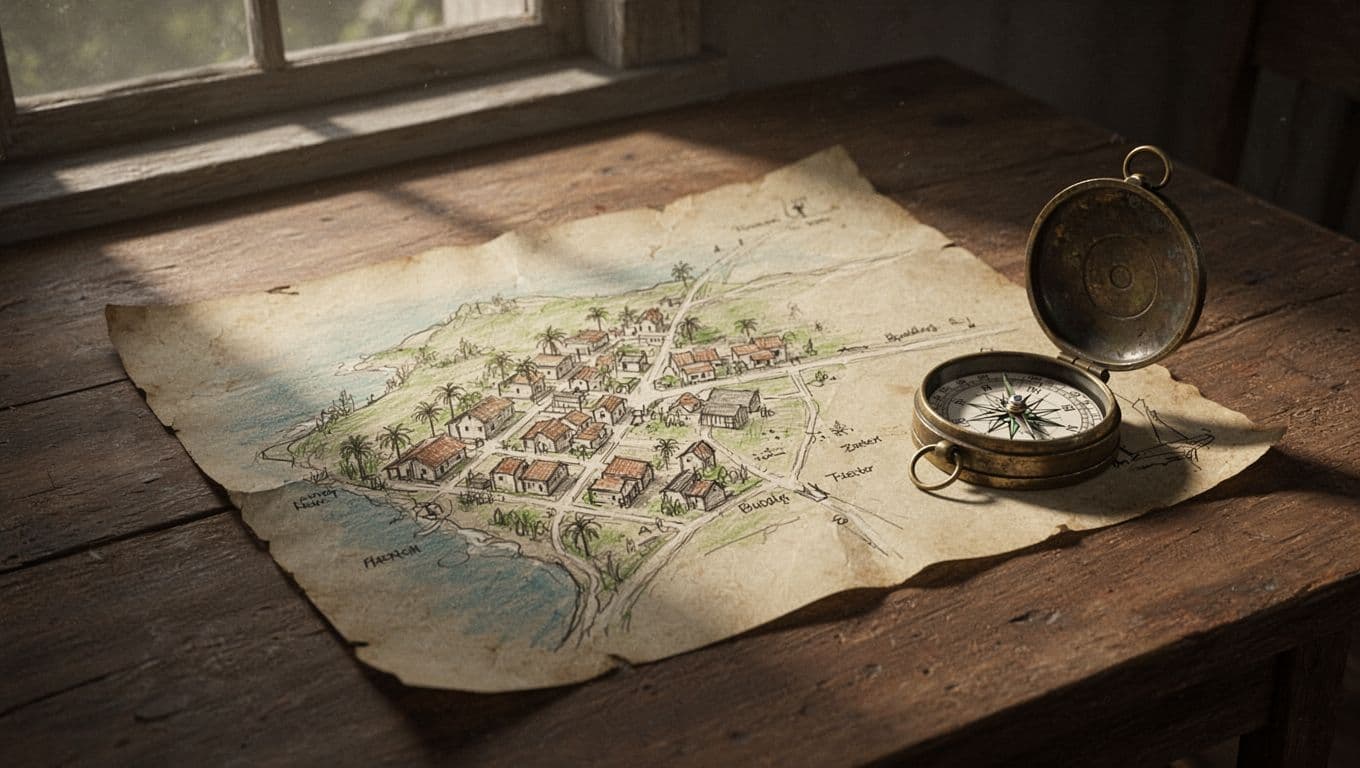
Begin by looking for the links between land development, water access, and everyday life. A map, photograph, or household object can tell you more about Cape Coral than a modern postcard. Ask the guide how the item connects to the city's founding or growth, because those personal explanations often add useful context.
Visitors who want more ideas for a full day can pair the museum with other local activities. The Cape Coral attractions guide includes suggestions for art, performances, festivals, and outdoor stops around the city.
See the 2026 "Salute to America" Exhibit
The most timely reason to visit in 2026 is the museum's temporary exhibition, "Salute to America: Celebrating 250 Years of American History." It opened on Thursday, July 2, 2026, and is scheduled to remain on display through the end of the year.
The exhibit examines 10 defining moments in American history and connects them to Cape Coral's own local stories. That local connection matters. A national timeline can feel distant, while a museum in your own city gives those events a nearby point of reference.
Look for the ways the exhibit places national change beside community development. Cape Coral's history is relatively modern, so the displays can help explain how larger shifts in transportation, housing, business, migration, and civic life affected Southwest Florida.
The exhibit is included in regular guided museum tours. Visitors won't need to arrange a separate appointment for the temporary display, but they should plan around the scheduled tour times. Since admission is available through guided tours only, arriving between tours may mean waiting for the next opening.
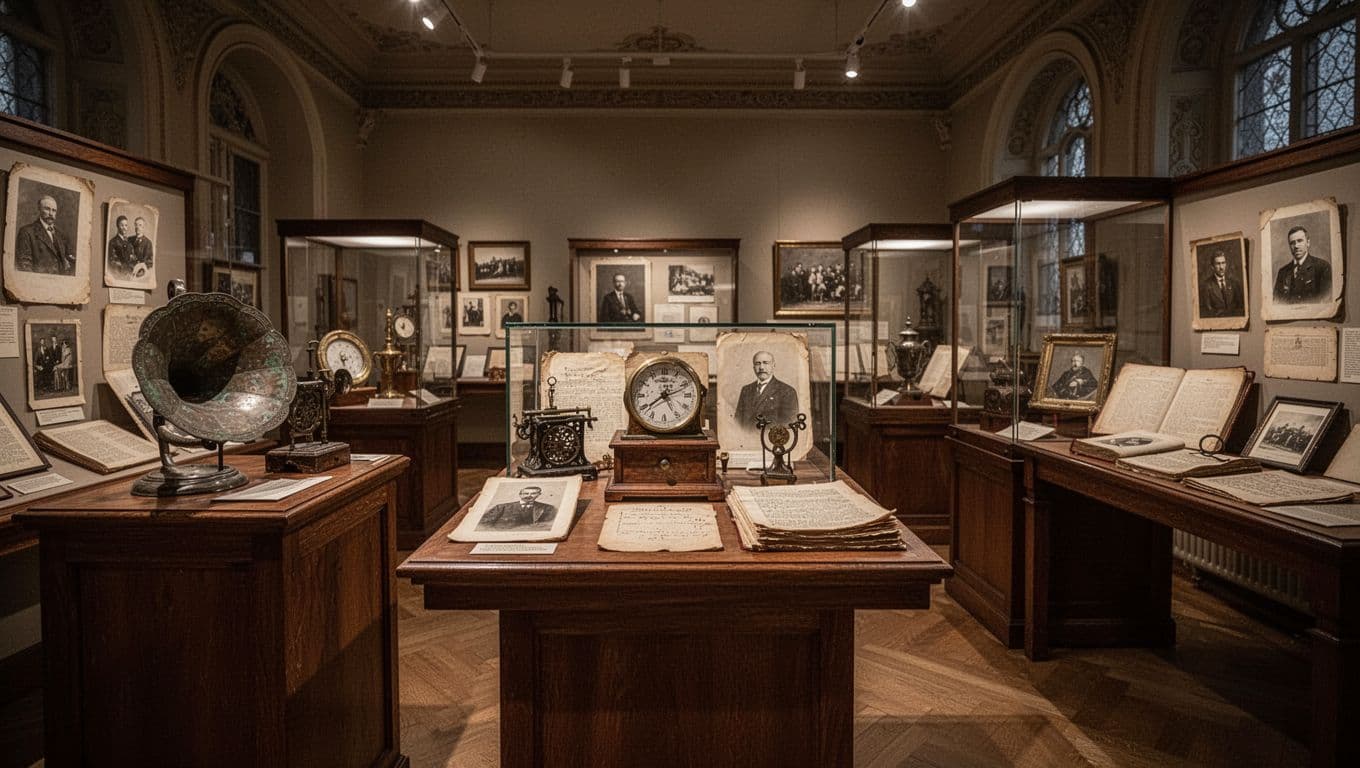
Take time to read the captions instead of viewing the exhibit as a quick walk-through. The 2026 show is most rewarding when you notice how a broad American event affected ordinary people, local decisions, or the way a community grew.
The museum changes temporary exhibitions during the year, with as many as four curated shows annually. Even if you've visited before, the displays may offer a different subject on your next trip. Residents can treat the museum as a place to revisit, not a one-time attraction.
Follow the City's Early Development
One of the best things to do at the museum is trace Cape Coral's transformation from a planned project into a large residential city. The story feels more vivid when you follow it through objects and images rather than dates alone.
Old maps can show how the canal network shaped the original plan. Historic photographs can reveal how quickly roads, homes, businesses, and public spaces changed. Personal artifacts add another layer by showing what daily life looked like for people who bought property, moved into new neighborhoods, or helped build local services.
The museum's permanent exhibits sit alongside the temporary 2026 display. Because the current sources don't list every permanent exhibit title, visitors should ask the guide which displays are available during their tour. A quick question can help you focus on the subjects that match your interests.
Families may want to turn the visit into a small observation exercise. Ask children to find one item that shows how people traveled, one that shows how they communicated, and one that reveals something about home life. Adults can compare early promotional ideas for Cape Coral with the city they see outside the museum.
The building's compact size also helps visitors stay engaged. You can spend about an hour on the main highlights or up to two hours if you read more closely and discuss the displays with the guide. That makes the museum easy to fit before lunch, after a morning outing, or between other Cultural Park plans.
Make the Guided Tour Count
The museum does not offer self-guided entry. Visitors join a guided tour that starts at the top of the hour. Wednesday through Friday, tours begin at 11 a.m., noon, 1 p.m., 2 p.m., and 3 p.m. Saturday tours begin at 10 a.m., 11 a.m., noon, and 1 p.m.
Each tour has a maximum of eight visitors plus the guide. That small group size can make it easier to ask questions, hear the explanations, and see objects without standing behind a large crowd. It also means popular times may fill up, especially during school breaks, weekends, or special events.
Call ahead or email the museum to reserve a preferred time. The main phone number is (239) 772-7037 , and the tours and information line is (239) 772-7027 . Visitors can also email info@capecoralmuseum.org .
A guided visit works best when you arrive a few minutes early. Use that time to settle in, review the admission details, and tell the guide if you have a particular interest in Cape Coral's development, family history, military history, or the 2026 national anniversary exhibit.
Admission listed for 2026 is $10 for adults ages 18 to 62, $5 for seniors ages 62 and older, $5 for military visitors with valid identification, and $3 for students with valid student identification. Children age five and under enter free. Ask about any age or group category not covered by those rates.
Plan a 2026 Museum Visit Around Your Day
Current 2026 visitor hours are Wednesday through Friday from 11 a.m. to 4 p.m., and Saturday from 10 a.m. to 2 p.m. The museum is closed Sunday through Tuesday. These hours are limited, so confirm them before leaving, especially around holidays, private programs, weather events, or schedule changes.
The museum encourages visitors to confirm hours, admission, tour times, and event schedules directly before visiting. Check the official museum website or contact the staff by phone or email. Also ask about accessibility needs in advance, because detailed accessibility information isn't clearly listed online.
Special programs can add variety to a museum visit. Published 2026 museum event listings included Classic Car Fest dates on February 14 and March 21, plus an Annual Brew Fest on April 18. Those dates have passed as of July 2026, but they show that the museum's calendar can include more than standard tours. Review the current schedule for future programs.
Visitors can also plan practical errands around their museum stop. 1st Class Delivery offers a VIP-style delivery service for visitors and residents who would rather spend vacation time or everyday free time enjoying Cape Coral than running errands. Depending on the request, that can include groceries, household items, restaurant food, flowers, pharmacy pickups, or airport transportation.
That option can help families avoid losing a museum morning to shopping and driving. Arrange deliveries ahead of time, then keep your museum reservation and the rest of your day on schedule.
Conclusion: Let the Museum Add Context to Cape Coral
The Cape Coral Historical Museum offers more than a collection of old objects. Its guided tours connect the city's planned-community origins with the people, decisions, and national events that shaped local life.
In 2026, the "Salute to America" exhibit gives visitors an additional reason to go, especially during the nation's 250th anniversary year. Reserve a tour, confirm the latest details directly with the museum, and leave enough time to read the displays. Cape Coral's present makes more sense after you've seen the story behind its maps, canals, neighborhoods, and residents.