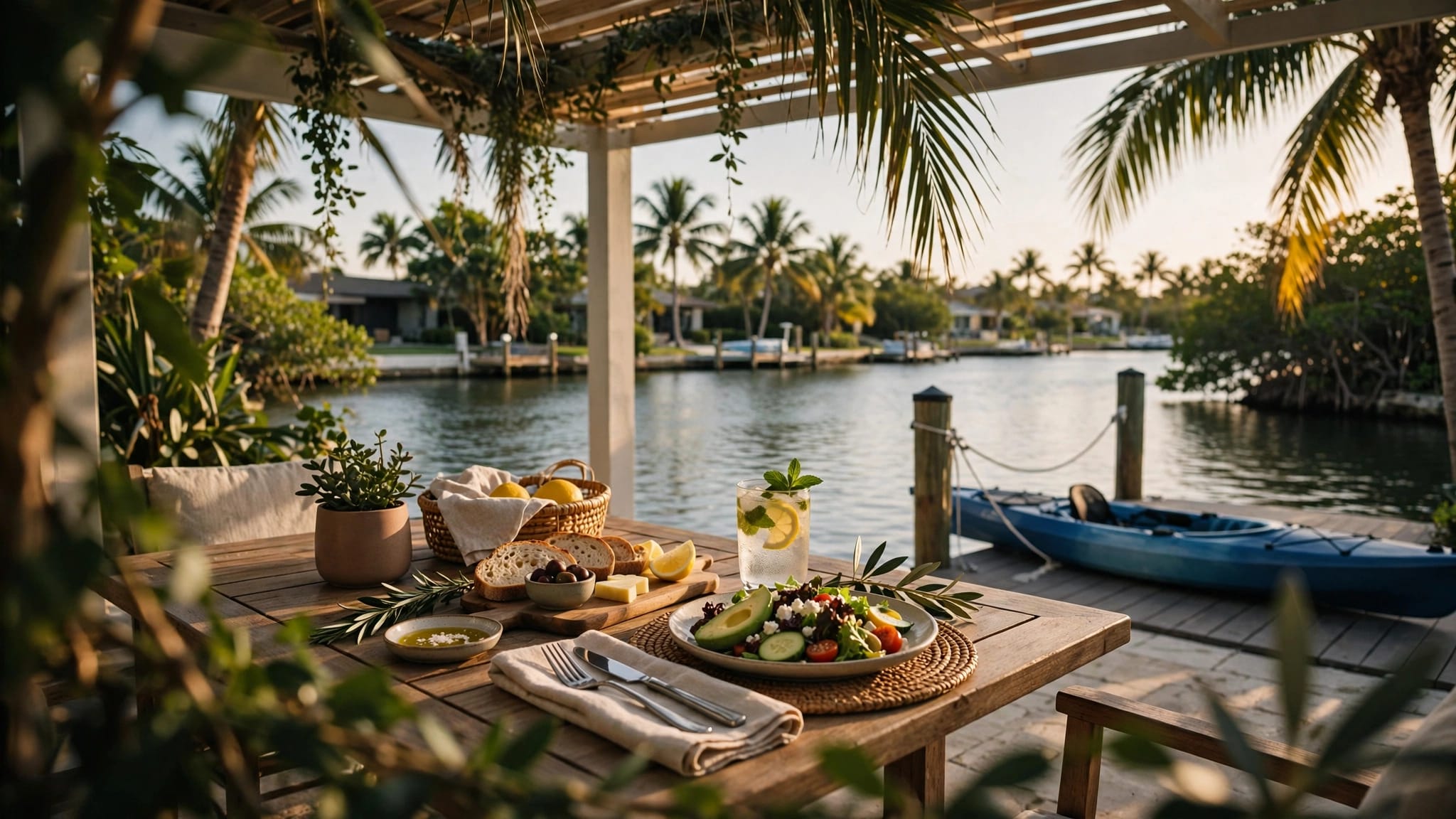
Best Things to Do at the Conservancy of Southwest Florida in 2026
A visit to the Conservancy of Southwest Florida looks different in 2026, but it's still worth your time. The main Nature Center is closed for construction from May through December, so a quick drive-by won't tell the full story. What you can see now still says a lot about Southwest Florida's wildlife, mangroves, and conservation work. Before you go, check the Conservancy's official site so your plans match what's open that day.
When a place is changing this much, the smartest visit is the one built around what you can do now. That means focusing on the wildlife hospital, the community programs, and a simple Naples plan that keeps the day easy.
What 2026 looks like before you arrive
The biggest thing to know is simple: 2026 is a building year. The main Nature Center is closed while work continues on the new John & Carol Walter Nature Experience, and that changes the rhythm of a trip.
| 2026 stop | What it means for visitors |
|---|---|
| von Arx Wildlife Hospital | The wildlife care side stays active during the renovation period. |
| Off-site programs | Free talks and family activities move into local parks, libraries, and other community spaces. |
| Main Nature Center campus | Closed May through December 2026 while construction continues. |
That shift sounds like a limitation, but it also makes the visit more focused. You are not trying to rush through a full campus with too much to see. Instead, you can slow down and pay attention to one or two meaningful stops.
If you're bringing kids or older relatives, this format can work better than a long museum day. A shorter visit leaves room for lunch, a walk, or another Naples stop nearby. It also keeps the day flexible if weather changes, which happens often enough in Southwest Florida.
The Conservancy still matters in 2026 because its mission is visible even during construction. You see that in the wildlife hospital, and you see it in the way the organization keeps teaching outside the main campus. That makes the trip feel current, not paused.
Spend time at the von Arx Wildlife Hospital
If you can only make one stop, make the von Arx Wildlife Hospital . This is where the Conservancy's work feels most immediate, because you're seeing wildlife care in real life.
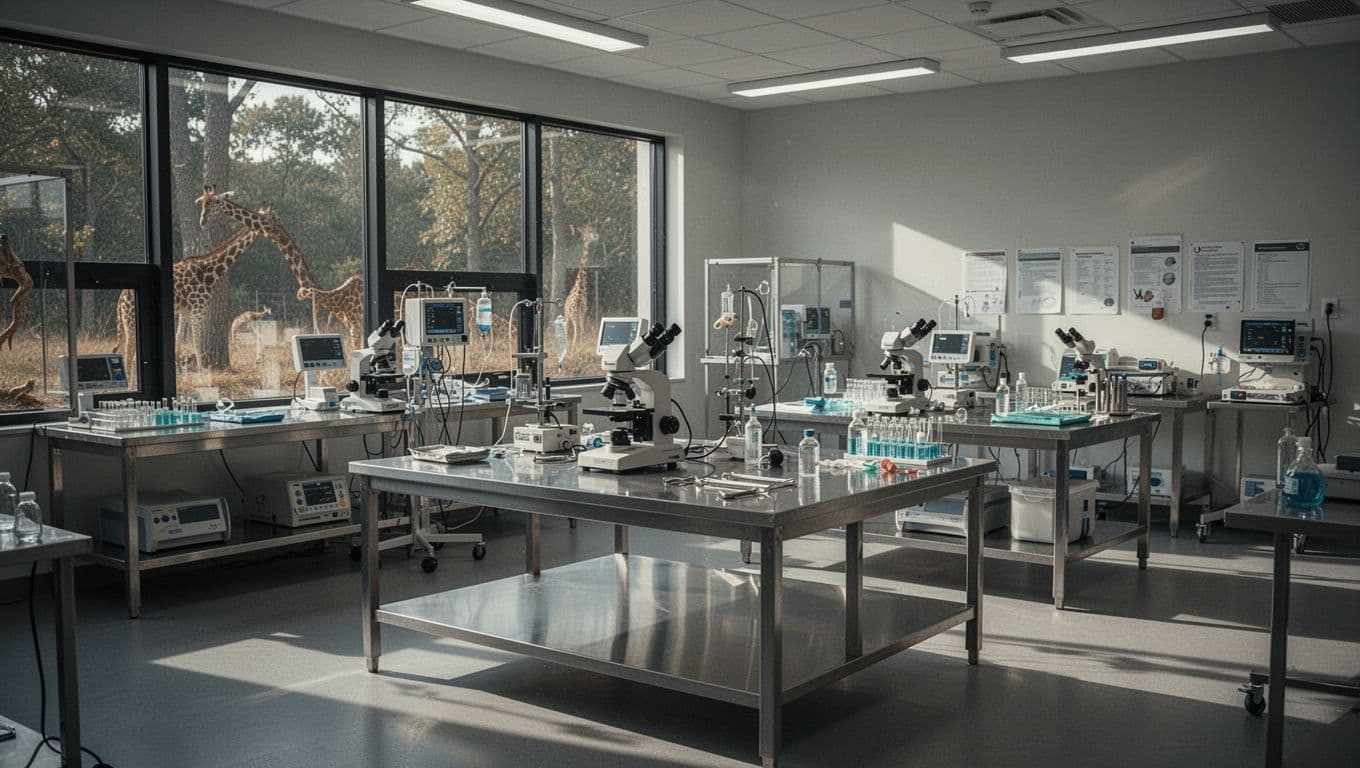
The hospital gives visitors a direct look at rescue and rehabilitation work. That matters because it turns conservation into something concrete. You are not hearing a vague lesson about nature. You are seeing how local animals get help when they're injured, stressed, or sick.
This stop also works well for families. Kids usually connect fast when they can tie a real place to a real problem. A hospital setting makes the care process easier to understand, and it gives adults a chance to talk about why native wildlife needs protected space.
Move slowly once you're there. Keep your voice down, follow posted directions, and stay respectful of the animals and staff. The best experience comes from paying attention to the details, the calm pace, the careful handling, the steady work that happens out of view. Those small moments often stick longer than a flashy exhibit.
If public viewing or programming is available during your visit, take your time and ask questions. A wildlife hospital doesn't work like a regular attraction. It works like a living support system for the region.
Join the off-site programs around Naples
During the closure, the Conservancy also takes its programs into the community. That means talks and family sessions can show up at parks, libraries, and other shared spaces instead of only on campus.
This format fits a vacation day well. You can fit a nature lesson between lunch and a beach stop, or drop into a program without planning your whole afternoon around it. That makes the Conservancy easier to include in a packed Naples schedule.
The topics are local, which keeps them useful. Programs often touch on wildlife protection, invasive species, hurricanes, and climate issues that affect Southwest Florida every year. Mangroves, estuaries, and shoreline habitat stop being abstract once someone points them out in person.
A short community program can give you the core story of the Conservancy without taking over your whole day.
For repeat visitors, these off-site sessions also offer something fresh. Even if you've been before, the format changes your point of view. You're seeing the organization where people already live, learn, and gather, which adds context to the conservation message.
If your schedule is tight, this is one of the easiest ways to stay connected to the Conservancy in 2026. It works for locals, families on vacation, and anyone who wants a lighter outing with real substance.
Build a simple Naples day around the Conservancy
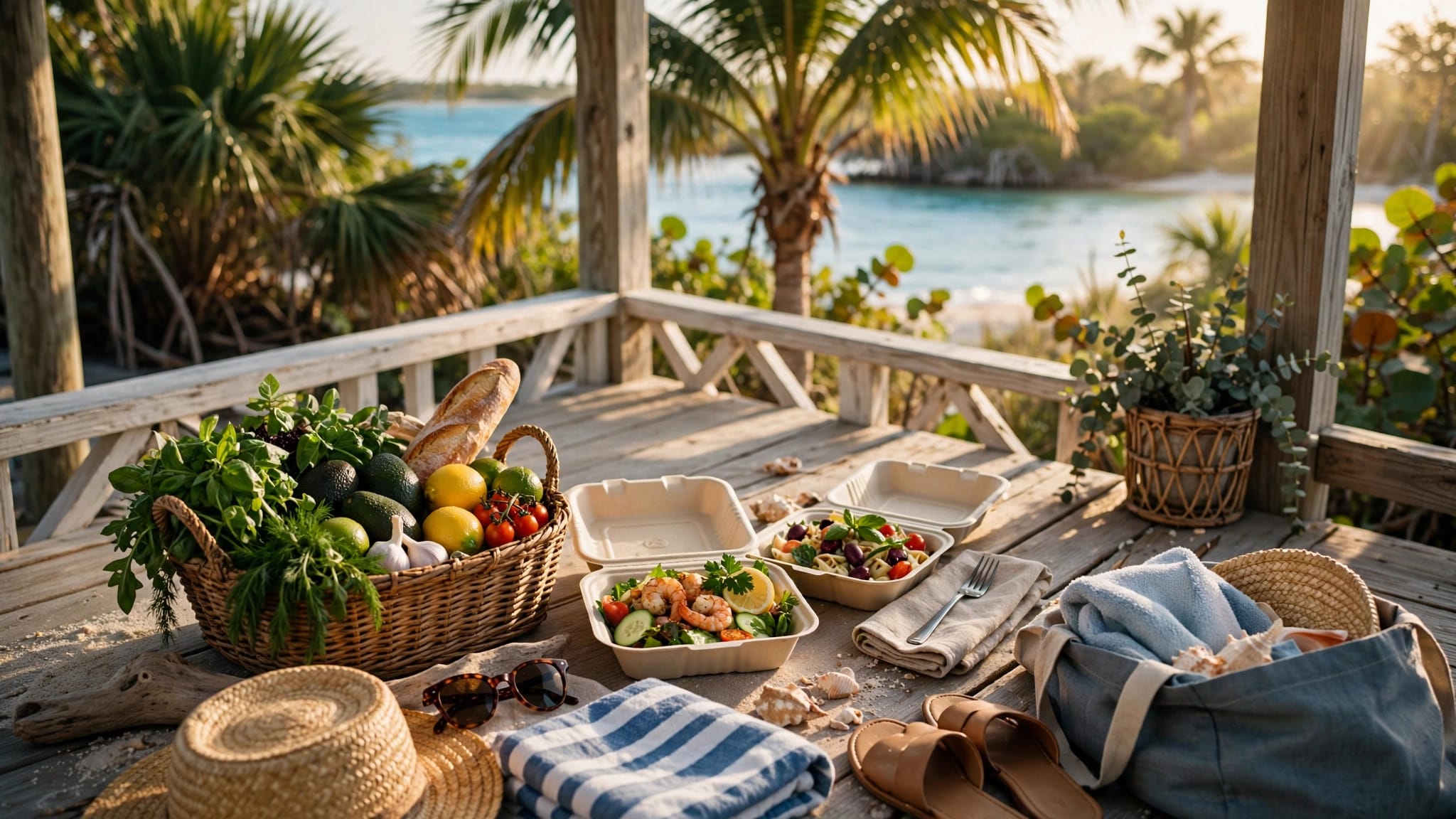
Once you leave the Conservancy, keep the rest of the day close by. Gordon River Greenway is an easy next stop if you want another walk, and downtown Naples gives you lunch without a long drive. If the weather is clear, a beach stop can round out the day.
 Photo by Peter Lopez
That local loop works because it keeps your day open. You don't need a packed itinerary to enjoy the area. A nature stop, a relaxed meal, and one more outdoor place are enough.
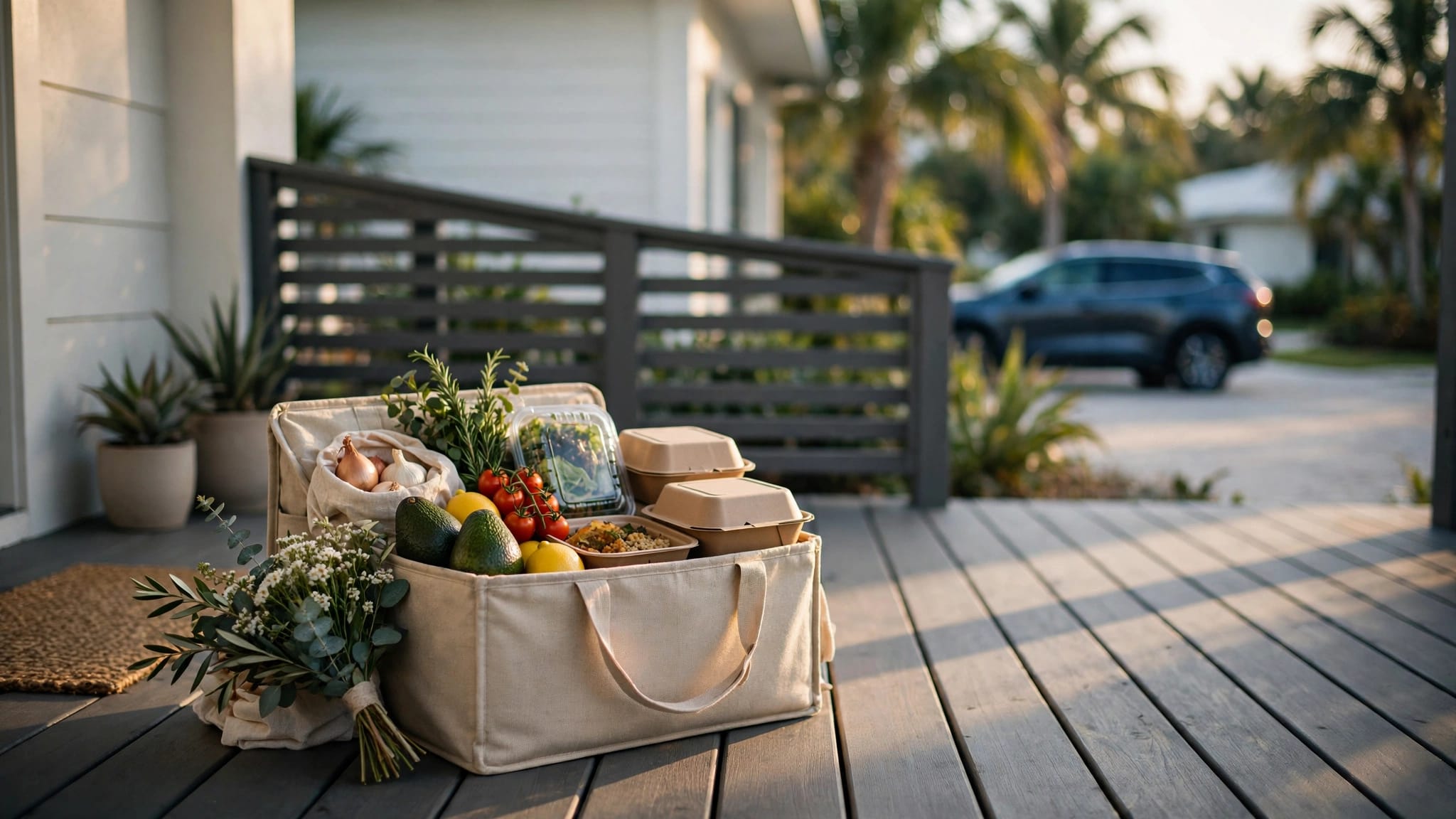
If you want the day to stay open, our delivery and errand solutions can handle groceries, pharmacy pickup, or a food run before you leave. That kind of help feels like VIP convenience when you'd rather spend the afternoon outside than in a store.
A few practical steps make the outing easier:
- Go early, because heat and traffic build fast in Naples.
- Bring water, sunscreen, and bug spray.
- Check same-day program status before you leave home.
- Keep your route simple, with two or three stops at most.
That approach gives you more energy for the good parts of the day. You get time with the wildlife story, time near the water, and less time worrying about logistics.
Conclusion
The Conservancy of Southwest Florida still gives you a real look at Naples' wild side in 2026, even with the main campus under construction. Focus on the wildlife hospital, the community programs, and a nearby stop or two, and the visit feels full instead of disrupted.
The strongest move is flexibility. Check access first, keep your pace loose, and let the conservation work shape the day. That's the best way to enjoy the Conservancy this year.