Sanibel Sea Turtle Season: Dates, Rules, and Etiquette
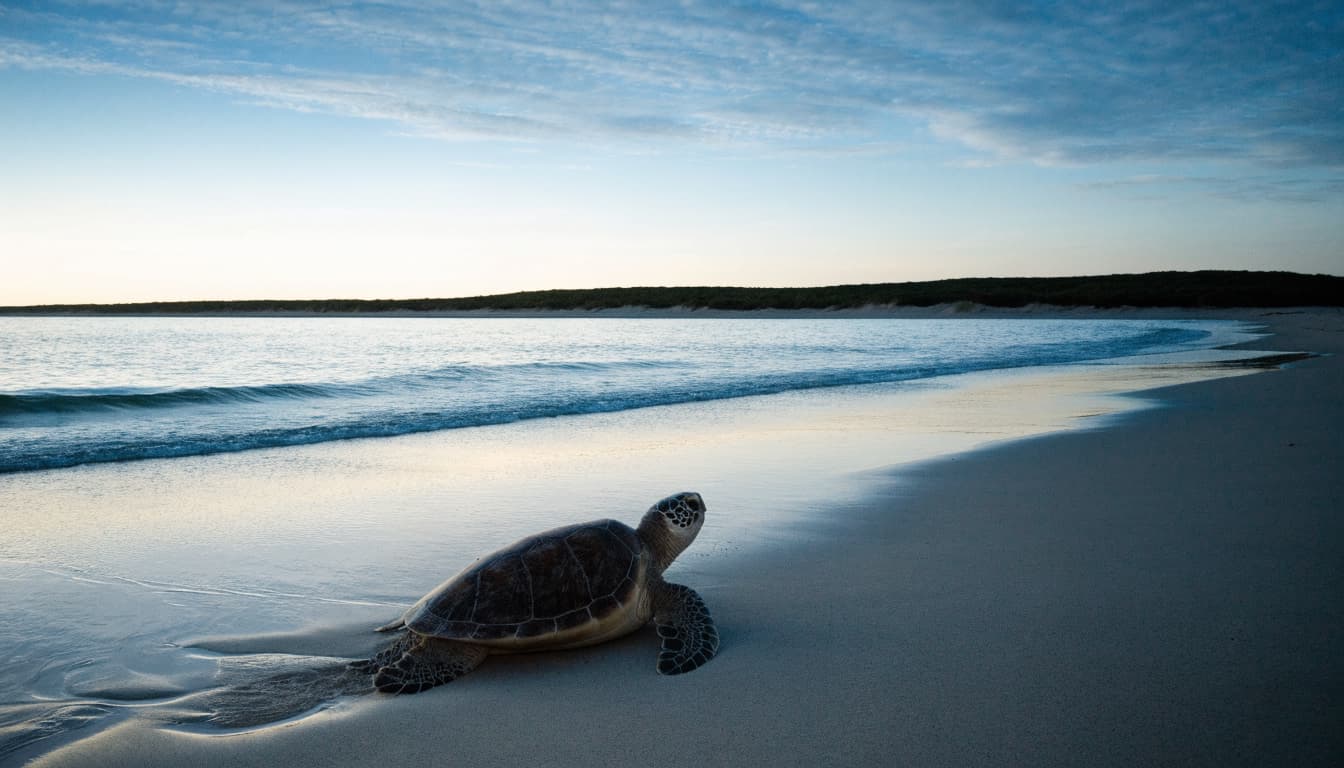
A quiet evening on Sanibel's beach can overlap with a sea turtle's nesting journey. During Sanibel sea turtle season, your simplest choices, including turning off a light or carrying home a chair, help keep that journey safe.
You can still enjoy shelling, sunsets, and family beach time while giving turtles space and darkness . Start with the local dates, then plan your beach visits around a few practical rules.
Key Takeaways for Your Beach Visit
- Plan for turtle activity from mid-April through October, while recognizing that monitoring dates and official season dates differ.
- Remove unused beach furniture during the City's required overnight hours, fill holes, and keep artificial light off the beach.
- Watch turtles from a distance without touching them, using flash, or blocking their route.
A turtle sighting is never guaranteed. An undisturbed beach is something every visitor can help provide.
Sanibel Sea Turtle Season Dates in 2026
Monitoring Starts Before the Official Season
The Sanibel-Captiva Conservation Foundation, known as SCCF, monitors nesting from April 15 through October 31 . Meanwhile, the City describes local turtle season as mid-April through October and identifies May 1 as its official beginning.
These dates describe different parts of the seasonal schedule. April monitoring helps account for early nesting activity; May 1 shouldn't be treated as the first possible turtle arrival.
For visitors, the practical approach is straightforward: follow turtle-safe beach habits throughout that broader spring-to-fall window. Wildlife doesn't arrive according to a vacation calendar, and a late-April stay can overlap with nesting activity.
October Still Matters
The City's calendar confirms October 31, 2026, as the season's end. However, that administrative date doesn't predict when an individual nest will hatch.
If you're visiting in October, continue respecting marked nests and keeping beachfront lights from reaching the sand. Follow posted guidance even when the beach looks quiet.
Florida-wide nesting calendars use broader dates because conditions differ around the state. For a Sanibel trip, local City notices and SCCF updates are more useful than a statewide start date alone.
What Nesting and Hatching Look Like
A Nest Is More Than Its Marker
Loggerheads are the main nesting turtles on Sanibel and Captiva, although green turtles also nest here. Females generally come ashore at night, dig an egg chamber, lay their eggs, and return to the water.
Hatching follows weeks of incubation, so nesting and hatchling activity overlap. The City identifies July and August as the height of hatching season, but later nests can remain active into fall.
A marked area protects eggs beneath the sand. It isn't a scheduled viewing location, and you shouldn't dig, probe, or move its stakes. Even when nothing appears to be happening, the nest still needs protection.
What the Confirmed 2026 Update Shows
On September 9, 2026, SCCF reported nearly 1,200 nests across Sanibel and Captiva. It also documented 29,627 hatchlings reaching the sea: 29,116 loggerheads and 511 green turtles.
Those were in-season figures, not final 2026 totals. SCCF reported that more hatchlings were still expected.
The update confirms substantial nesting activity that year, but it doesn't establish a precise local hatching calendar. Your travel dates can't guarantee an emergence, and nobody should disturb a nest to check its progress.
Beach Rules for Furniture, Holes, and Gear
Clear Unused Furniture Overnight
Sanibel's City guidance quotes Code §126-638 as requiring removal of unused beach furniture and equipment between 9 p.m. and 7 a.m. That includes the chairs and gear you might otherwise leave ready for tomorrow.
The Florida Fish and Wildlife Conservation Commission, or FWC, recommends removing furniture before sunset. That's a protective recommendation, distinct from the City's overnight code requirement.
Whenever possible, clear your belongings as you leave rather than returning at the deadline. Turtles can encounter obstacles before 9 p.m., and wind can move lightweight items toward the water.
If you're staying at a beachfront rental, ask who removes property-owned loungers and other equipment. Don't assume someone else handles everything.
Leave the Sand Level
Fill holes and flatten sandcastles before leaving. A deep excavation can trap hatchlings, while large sand structures can obstruct a nesting female.
The City's beach wildlife reminders also discourage flash photography, flashlights, and phone lights near nesting wildlife.
Make cleanup part of the outing, especially with children. Allow time to refill digging areas, collect toys, and check for wrappers before everyone heads back.
Stay outside marked nesting areas, and use established beach access routes. Walking through dunes or moving protective markers creates problems that a quick cleanup can't fix.
Keep Beachfront Lighting Off the Sand

Artificial light can draw hatchlings away from the water. It can also discourage females from nesting, so lighting deserves attention before you step onto the beach.
The City's shorebird and sea turtle protection guidance states that beachfront lighting rules apply year-round . Artificial light from Gulf-front properties must not illuminate the beach.
At your rental or condo, close curtains after dark and switch off unnecessary balcony and exterior lights. Indoor light spilling through a large window can affect the beach, even when the outdoor fixtures are off.
FWC recommends low-mounted, shielded, long-wavelength lighting when exterior illumination is necessary. Ask the property manager about approved fixtures rather than assuming any colored bulb is turtle-safe.
A light inside your room can still reach the nesting beach. Closing beachfront curtains matters alongside switching off outdoor lights.
For evening walks, avoid phone lights and flash photography near turtles. If you can't safely use an access route without illuminating wildlife, choose another time to visit.
Viewing Etiquette When You Encounter a Turtle
Give Nesting Females an Open Route
If you notice a turtle coming ashore, stop and give it room. Keep your group together, lower your voices, and avoid positioning yourself between the turtle and the dunes or water.
FWC warns that approaching a nesting female within 50 feet can cause it to abandon its nesting attempt. Treat that as a warning threshold, not permission to move closer until you reach that distance.
Never follow directly behind the turtle, surround it, or touch it. Keep children beside you rather than allowing them to approach for a photograph.
A dark, distant view is appropriate. If getting a usable photo requires flash or moving closer, put the camera away.
Let Hatchlings Reach the Water Themselves
When hatchlings emerge, keep their route clear and watch without handling them. Don't carry them to the surf, collect them in a bucket, or shine a light to guide them.
Also avoid crowding around an opening in the sand. Your presence can block the route or draw more people into the area.
If hatchlings appear trapped, injured, or headed toward artificial light, contact wildlife responders. Follow their instructions instead of improvising a rescue.
An authorized volunteer or biologist may handle turtles during permitted work. That doesn't give visitors permission to do the same, even when the intention is helpful.
Who to Call About a Turtle in Trouble
For an injured, stranded, entangled, or imperiled sea turtle, call FWC's 24-hour Wildlife Alert Hotline at 888-404-3922 . You can also report disturbance involving turtles or nests.
Give the responder a clear location, such as the nearest public beach access or beachfront property. Describe what you see without moving the animal. Meanwhile, keep people and pets back.
Sanibel's local wildlife protection notice lists Sanibel Police at 239-472-3111 and Code Enforcement at 239-472-4136 . City Natural Resources can be reached at 239-472-3700 .
For beachfront lighting questions, the City lists sandnr@mysanibel.com .
Save these contacts before your beach visit. A normal nesting turtle or healthy hatchling doesn't require intervention, but a turtle facing danger needs trained help. Stay available to clarify the location if a responder calls back.
Plan a Family Beach Day Without Chasing a Sighting
Choose one beach outing as your day's anchor, then leave room for lunch and rest. An early walk can offer cooler conditions without turning the evening into a search for nesting turtles.
Bring water, sun protection, and a small bag for your trash. Explain the nesting markers before children begin digging, and keep play well outside protected areas.
For more wildlife learning, consider daytime marine programs or review the CROW visitor activities guide. Check current schedules rather than assuming an activity runs during your stay.
Handling supplies beforehand also leaves more room for the beach. 1st Class Delivery offers VIP-style help for people who'd rather enjoy vacation, or everyday life, than spend time running errands.
Its shopping, delivery, and transportation services include grocery shopping, restaurant pickup, household essentials, pharmacy runs, and airport rides. Confirm availability and arrival details in advance, especially for a vacation rental.
Frequently Asked Questions
Can I Still Go Shelling During Turtle Season?
Yes, provided you respect protected areas and posted access rules. Search without entering marked nests, digging into them, or moving their markers. Leave living animals and occupied shells in place.
If you're shelling near sunset, finish with enough time to remove your gear and refill any holes. A shelling outing should leave the beach clear for wildlife.
Should I Bring My Dog to the Beach?
Check the specific beach's current pet rules first. FWC recommends leaving dogs at home when possible during nesting season.
Where dogs are allowed, keep yours on a short leash and away from marked nests, turtles, and hatchlings. Even a curious dog can disturb wildlife. If controlling that curiosity will be difficult, leave your pet comfortably at your accommodation.
Leave Sanibel's Beach Ready for the Next Turtle
Sanibel sea turtle season gives beach visitors a chance to share the shoreline responsibly. The strongest contribution is a clear, dark, undisturbed beach , whether or not you see a turtle.
Before heading home, remove your belongings and leave the sand level. At your beachfront accommodation, close the curtains and check the lights. Those small choices let your vacation continue while turtles carry on with theirs.