How to Plan a Southwest Florida Beach Day Around Storms
A good Southwest Florida beach day starts early, leaves room for changing weather, and includes a safe place to go if a storm approaches. You can enjoy the coast during summer storm season, but flexibility matters more than sticking to a schedule.
A sunny morning doesn't guarantee a clear afternoon, and storms can form at other times, too. Start with the forecast, then make a simple plan for leaving the sand before thunder arrives.
Why Summer Weather Changes Your Beach Plans
Southwest Florida's rainy season generally runs from May 15 through October 15, according to the National Weather Service. July through early September is typically the peak, with frequent thunderstorms and heavy rain.
That pattern doesn't mean it rains at every beach each afternoon. A storm can develop inland while the coast stays dry, or conditions can change near the water earlier than expected. Wind direction and local sea breezes affect where storms form and move.
Plan around a weather window , rather than promising your group a full day on the sand. A morning swim followed by lunch indoors gives you room to adjust without feeling that the trip has failed.
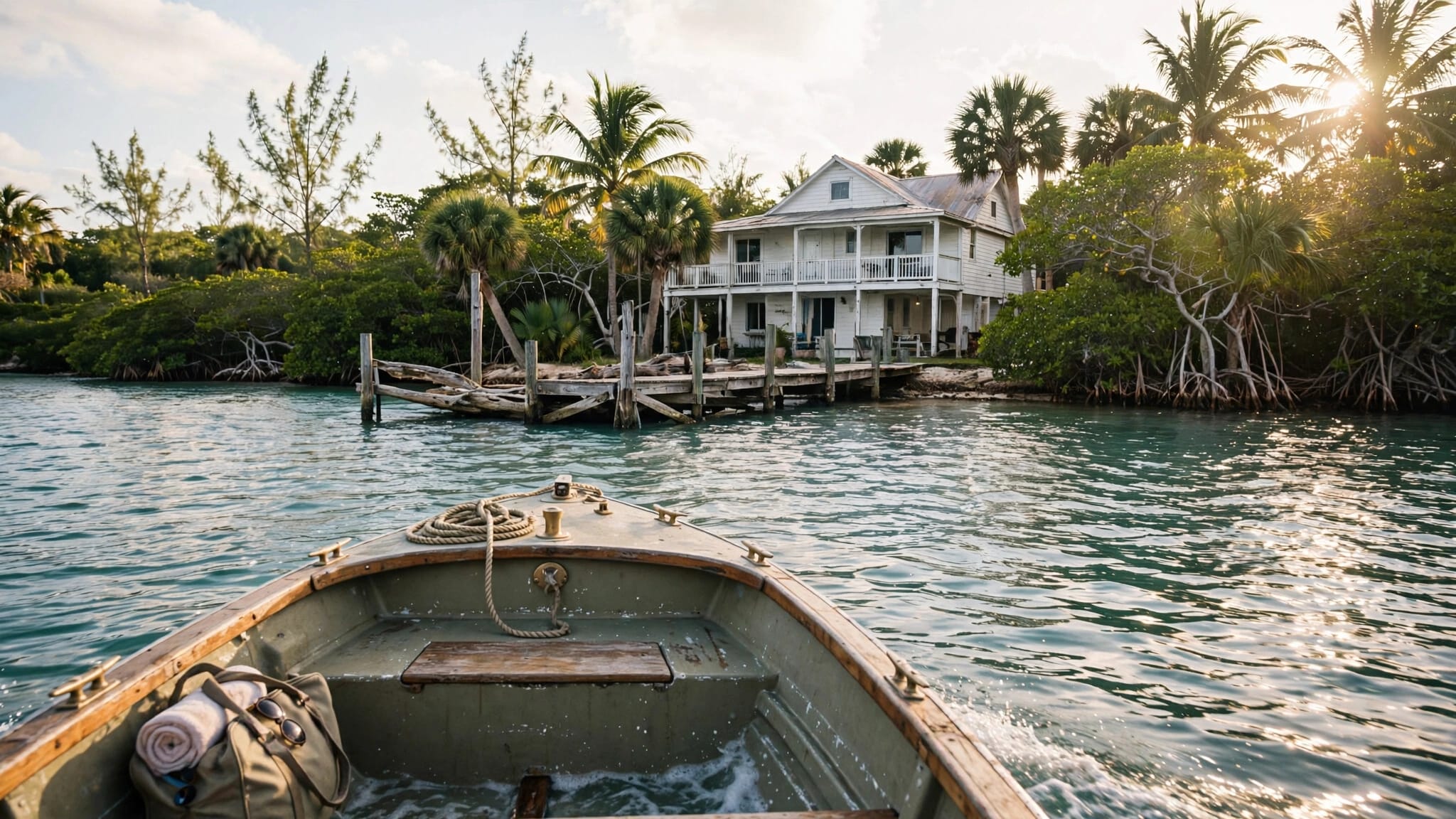
The same approach works for other outings near the water. Our Pine Island day-trip guide includes ideas for a flexible day around Bokeelia and St. James City.
Choose an Earlier Southwest Florida Beach Window
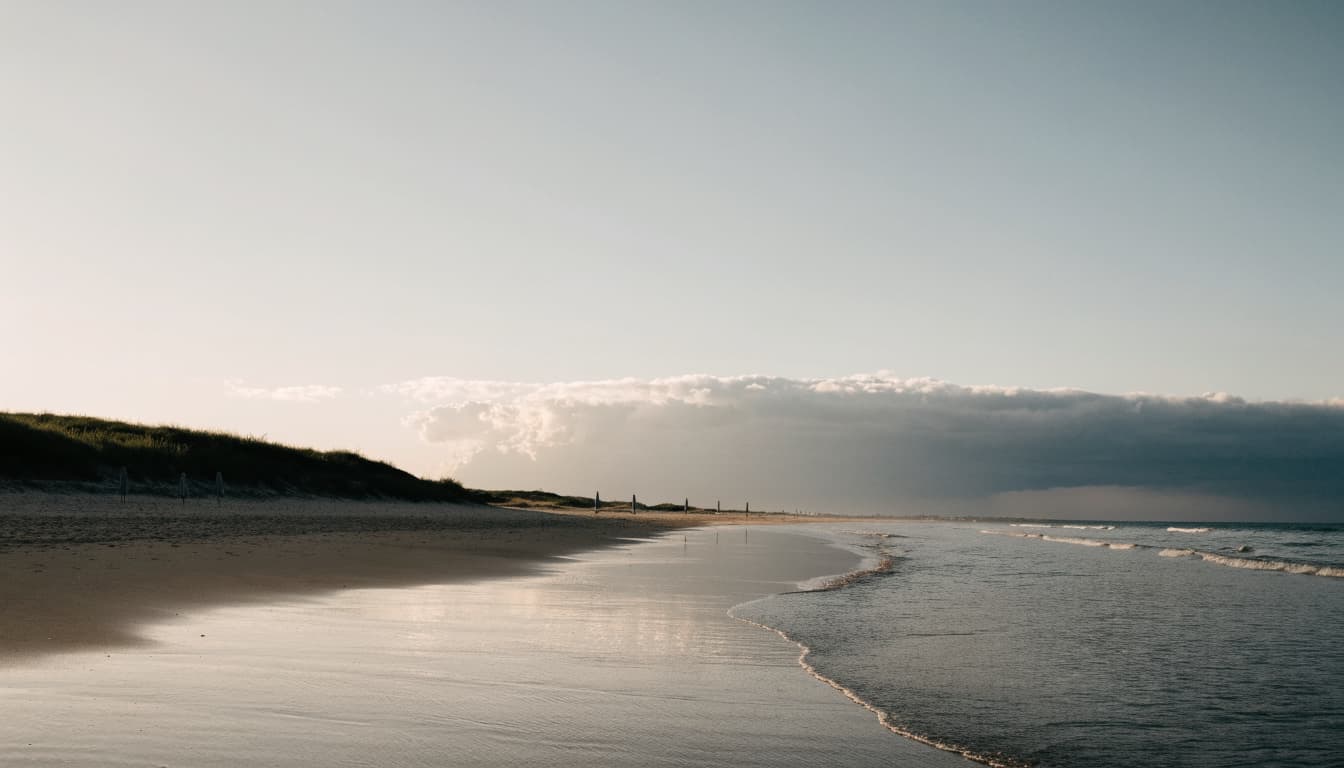
An early start gives you a better chance to enjoy the beach before the day's heat and storm activity build. It's a useful plan, not a guarantee: if thunder is in the morning forecast, adjust or postpone.
Make the Morning Your Main Event
Aim to arrive after breakfast, with water, sunscreen, and anything you need already packed. Prioritize swimming, shelling, or a walk while conditions are favorable.
For example, you could plan to reach the beach around 8:30 a.m., enjoy the morning, and leave around lunchtime. Treat those times as a starting point, not a safety deadline. If a storm approaches at 10 a.m., leave at 10 a.m.
Families with young children may appreciate an early outing for another reason: lunch and a break indoors are easier to fit around naps and changing weather.
Leave Time to Pack and Walk Back
Before settling in, identify the route to your car or another substantial enclosed building. A distant parking spot, a long walk across sand, or a group with small children adds time to your exit.
Keep your belongings together and avoid spreading gear across a large area. When the sky starts changing, you want to be able to leave promptly rather than spend several minutes hunting for sandals and toys.
Read the Forecast and Radar Before You Go
A weather app is useful when you know what to look for. Give the forecast a few minutes the evening before, then look again on the morning of your trip.
Look at the Beach Location and Hourly Forecast
Use the NWS Tampa Bay forecast and radar to find conditions for your destination. A forecast for inland Cape Coral or Fort Myers may differ from conditions on Sanibel or another barrier island.
Look at the hourly outlook for thunderstorms, rain chances, wind, and any active watches or warnings. A chance of thunderstorms describes a possibility, not an appointment with rain at a precise hour.
If severe weather is expected during your planned window, choose an indoor day instead. Give everyone in your group the updated plan before leaving, especially if you're traveling in separate vehicles.
Watch How Storms Move on Radar
Open the radar loop rather than relying on a single image. The animation can show where rain is developing and whether a storm is moving toward your beach.
Radar is only one part of the picture. New storms can form between updates, and lightning can occur away from the heaviest rain. A clear-looking radar screen doesn't override thunder, lightning, a warning, or a rapidly changing sky.
Keep weather alerts enabled on your phone and bring enough battery power to receive them. If reception is unreliable, pay even closer attention to the sky and park instructions.
Recognize When Conditions Are Changing
Tall, growing clouds, darkening skies, and a sudden shift in wind are reasons to prepare to leave. Gusts can arrive before the rain, making umbrellas and lightweight gear difficult to manage.
Pay attention to the horizon in more than one direction. On the Gulf Coast, a storm may approach from inland or over the water, so looking only offshore can give you an incomplete picture.
If you see lightning or hear thunder, the decision is immediate: get out of the water and head to safe shelter. Don't wait for rain to reach you, and don't stay on the sand to watch the storm.
Some Lee County Parks and Recreation sites have lightning alert systems. The 2026 Lee County All Hazards Guide says a continuous 15-second horn and strobe indicate lightning detected within 10 miles. Three 5-second blasts and a stopped strobe signal the system's all-clear.
Not every park has a system, and no alert system is foolproof. Use your own observations and act before a horn sounds if you hear thunder.
Know Where to Go When Thunder Starts
Choose an Enclosed Building or Vehicle
The safest response to thunder is to leave the beach and enter a substantial enclosed building. If one isn't available, use a hard-topped, fully enclosed vehicle with the windows closed.
A beach umbrella, picnic pavilion, covered patio, or open-sided shelter can block rain or sun, but it isn't safe lightning shelter. Avoid standing beneath isolated trees as well.
Once indoors, stay away from windows and avoid plumbing and corded electrical equipment during the storm. In a vehicle, remain inside rather than standing beside it or under an open hatch.
If you can hear thunder, you're close enough to be at risk from lightning, even when the beach is still dry.
Wait 30 Minutes After the Last Thunder
The National Weather Service's lightning rules advise staying inside for 30 minutes after the last clap of thunder. Each new rumble restarts the clock.
That wait applies even if the rain stops or blue sky appears. Use the time for lunch, a quiet break, or a change of plans. If another storm develops, stay sheltered until the threat has passed.
An all-clear horn at a park doesn't replace the thunder rule. If you still hear thunder, remain in your safe shelter.
Reassess the Beach After a Storm
Once the lightning wait is over, look at the water and weather before returning. Another storm may be forming, and the wind or surf may have changed while you were indoors.
Follow posted flags, warnings, and lifeguard instructions where available. If the water looks rough or you're unsure about conditions, skip the swim. A walk or an indoor afternoon is a better choice than entering water that makes you uncomfortable.
Also watch for standing water on roads and in parking areas. Don't drive through flooded areas: water can hide road damage and be deeper than it appears.
If the weather remains unsettled, give yourself permission to end the beach outing. You can use the extra time for a meal or return to your rental and make another plan. Our Tigertail Beach planning guide has more ideas for organizing a coastal outing.
Pick an Indoor Backup Before You Leave
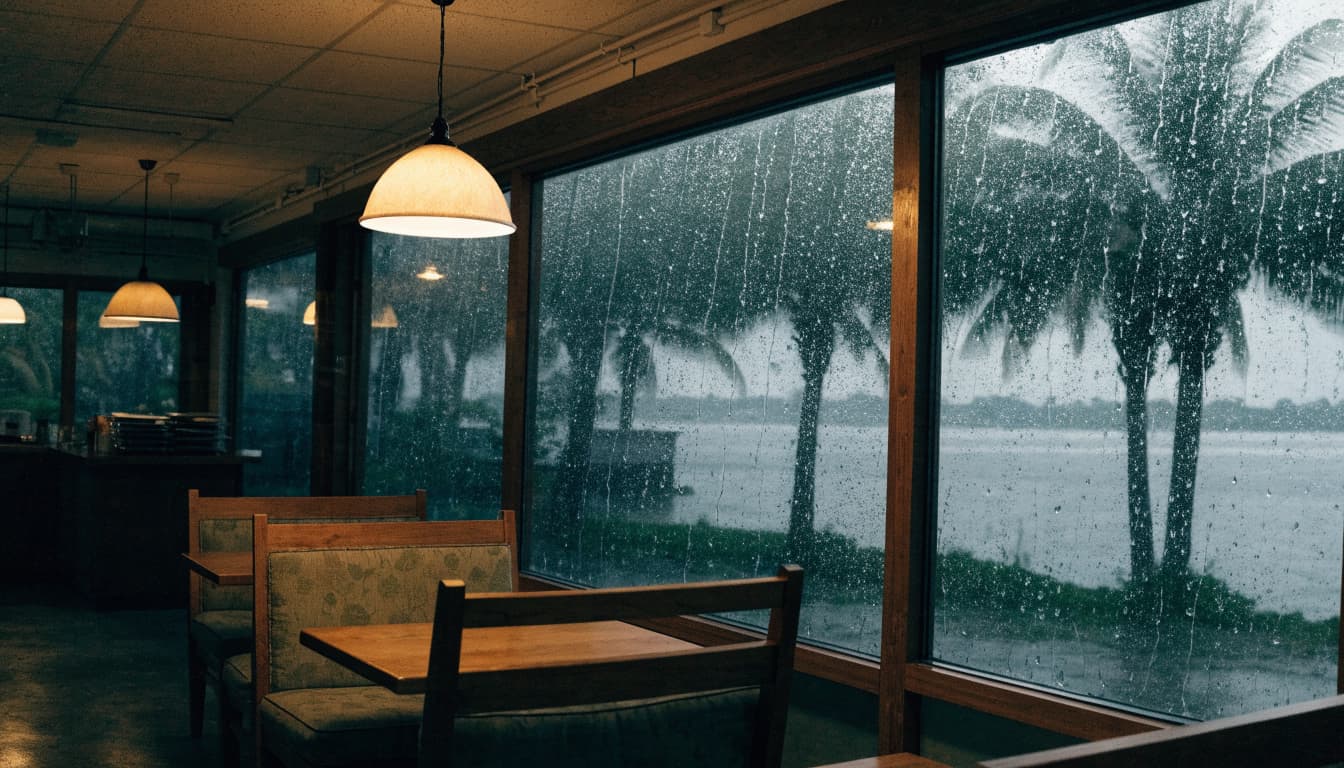
Choose a backup that works for your group's energy and the time you have left. If a storm is already close, reach the nearest safe building or enclosed vehicle first. Travel to an activity after conditions allow.
Find a Quiet Stop in Cape Coral
The Cape Coral Lee County Public Library, at 921 SW 39th Terrace, offers an indoor place to spend a quieter part of the day. It's a practical option if your group wants books and a break from the heat.
The Cape Coral Art Center, at 4533 Coronado Parkway, is another option for visitors interested in art. Keep your plans flexible around the center's programming.
Save a Movie for a Longer Rainy Stretch
If the afternoon forecast looks unsettled, a movie can give everyone a longer indoor break. Marquee Cinemas - Coralwood 10 is at 2301 Del Prado Boulevard South in Cape Coral.
A casual meal or time back at your rental can work just as well. The goal is to have a comfortable place to spend time while the storm passes, without feeling pressure to return to the beach.
Pack for Sun, Rain, and a Quick Exit
Summer storms aren't the only weather concern. Pack drinking water, sunscreen, hats, and shade for the hours when the sun is strong. An umbrella can be useful for sun protection, as long as everyone understands it isn't lightning shelter.
A small weather-ready bag can make the transition indoors easier. Include dry clothes, a towel, a rain layer, a phone charger, and a waterproof pouch for essentials. Keep medications and valuables together so you can pick them up quickly.
Bring a cooler for food and drinks, but don't depend on a long picnic if storms are expected. A simple lunch plan at your rental or an indoor restaurant gives you more options.
Before spreading out, tell children where the group will meet when it's time to leave. If you're with multiple households, agree on the shelter location rather than assuming everyone will head to the same place.
Keep Errands Out of Your Beach Window
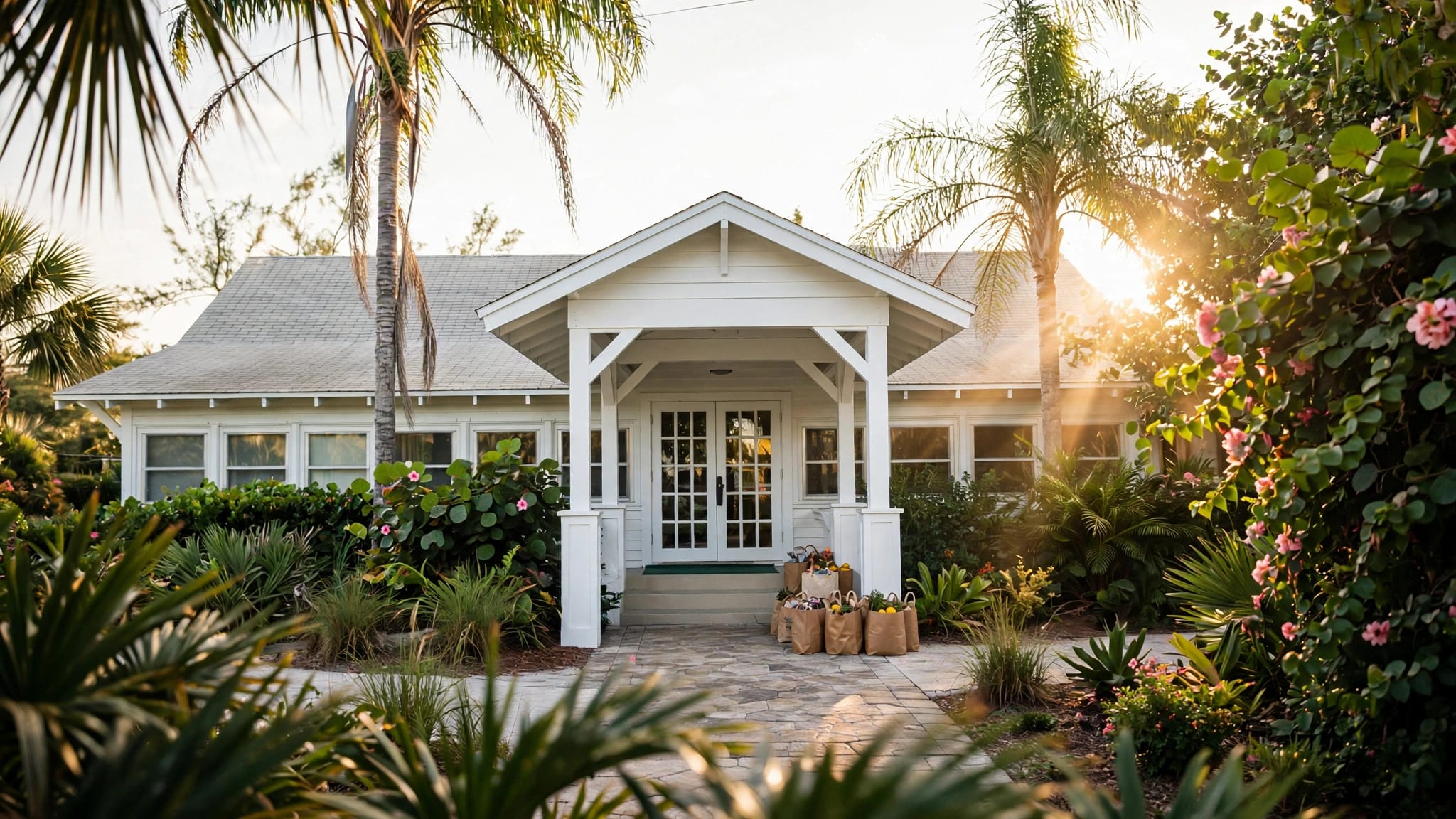
A beach morning is easier to enjoy when grocery shopping and meal pickup aren't competing for the same hours. Stock your rental before the outing or arrange supplies for your return.
At 1st Class Delivery, we offer a VIP-style convenience for visitors who'd rather enjoy their vacation than drive between errands. We also help residents who want more room in their everyday schedules. Our services include grocery and personal shopping, restaurant food pickup, pharmacy runs, and other local errands.
For a beach day, that could mean arranging groceries for your rental or having a meal picked up after you leave the coast. Use your home, hotel, or rental as the delivery destination rather than the beach.
We also offer airport transportation for travelers planning their arrival or departure. Our Cape Coral-based service covers nearby communities including Sanibel, Captiva, Matlacha, Pine Island, and St. James City, with limited service on North Captiva Island. Schedule time-sensitive requests ahead of your trip.
Give the Weather Room to Change Your Day
A satisfying Southwest Florida beach day can be a morning on the sand followed by a relaxed afternoon indoors. The key is knowing your shelter before you need it and leaving at the first sign of thunder.
Make your forecast check part of the plan, then keep the rest flexible. You'll have more time to enjoy the coast when conditions are good and a safer way to respond when they aren't.