Best Sanibel Island Preserves for Bird Watching
On Sanibel, the hard part isn't finding birds. It's choosing where to stop first.
If you want a day built around herons, spoonbills, and marsh views instead of errands, this island makes it easy. Sanibel Island bird watching is best when you match the preserve to the habitat, then arrive when light and tide are working in your favor.
J.N. "Ding" Darling is the place to start
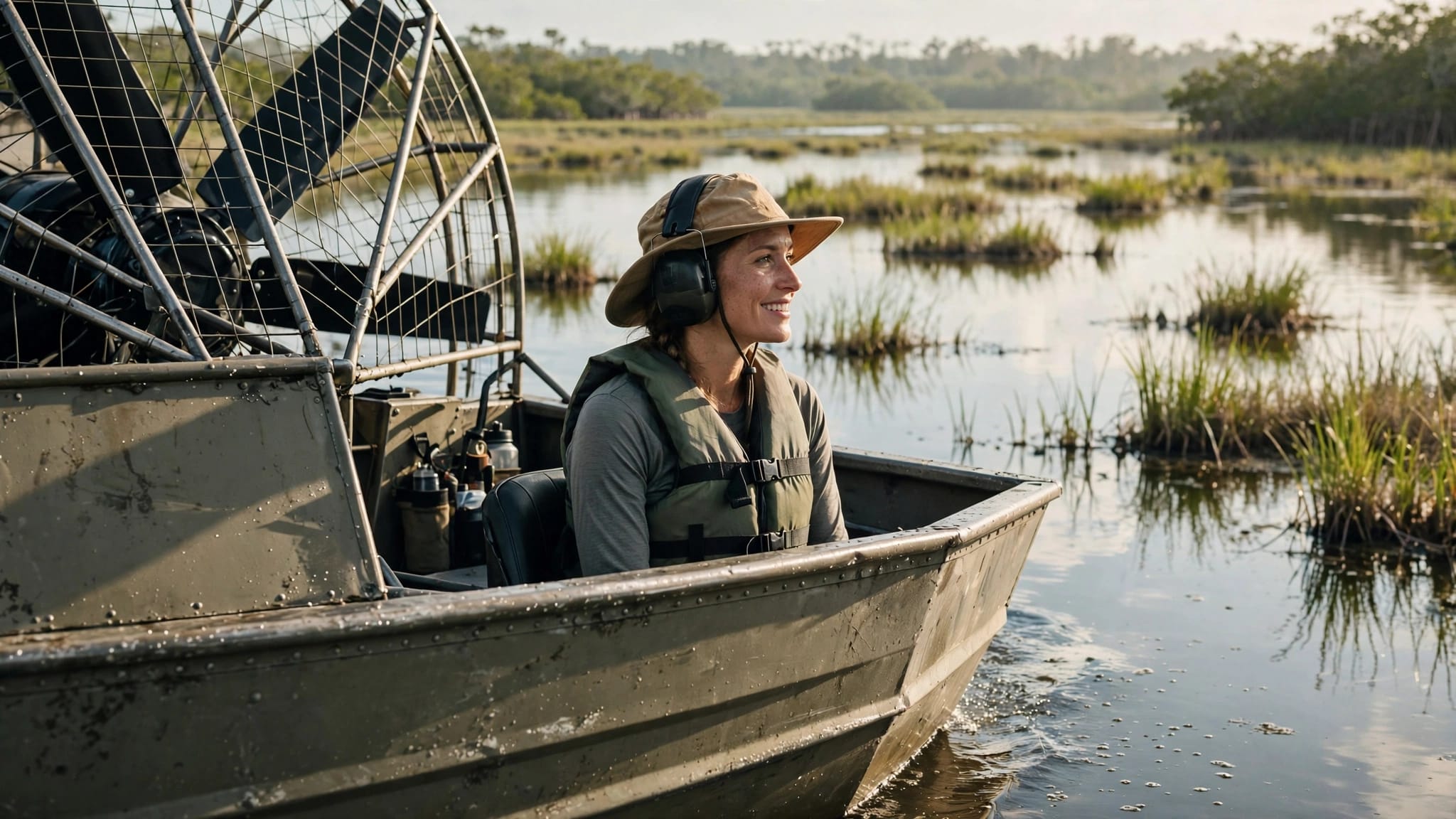
If you're picking one preserve, start here. J.N. "Ding" Darling National Wildlife Refuge is Sanibel's best-known birding spot because the habitat does most of the work for you. Mangroves, mudflats, tidal pools, and open water all sit close together, so birds have room to feed, nest, and rest.
The refuge is also easy to bird from different angles. Wildlife Drive gives you a slow, scenic loop through prime habitat, and you can also stop to walk short trails and overlooks. As of spring 2026, it's still the island's top bet for wading birds, shorebirds, and waterbirds, especially in the cooler hours of the day.
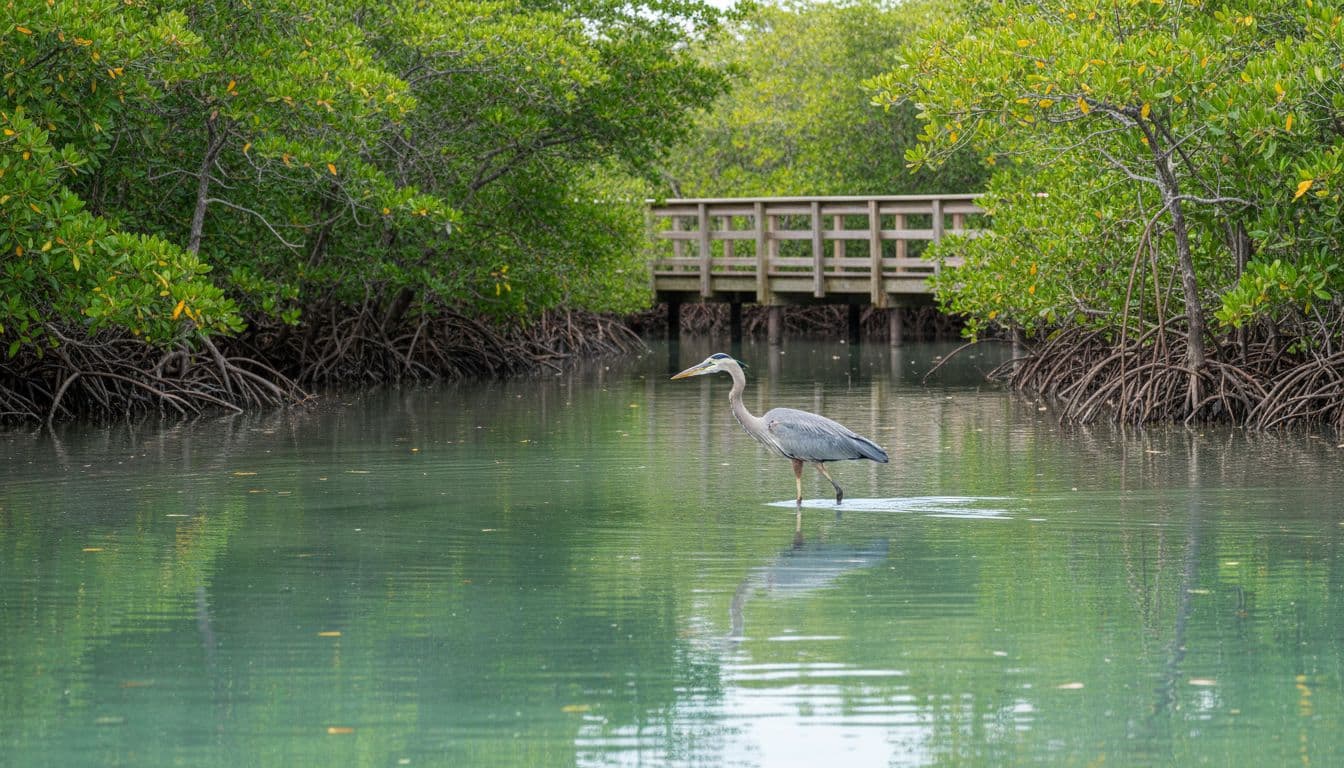
Look for great blue herons, snowy egrets, white ibis, brown pelicans, anhinga, and roseate spoonbills. Ospreys are common too, and spring can bring good shorebird activity when water levels and mud exposure line up. A falling tide often improves your odds because fish and small crustaceans get pushed into tighter feeding zones.
The refuge has more than one good strategy. Wildlife Drive works well if you want broad views and lots of stopping points. The Indigo Trail and the Wildlife Education Boardwalk are better when you want to slow down and scan edges, snags, and nesting areas. Before you go, check the latest Wildlife Drive, Trails, & Tracts for route details and access notes.
A simple rule helps here: move slowly, stop often, and watch the waterline. On Sanibel, birds often appear where the land looks least dramatic.
Quieter birding spots with less traffic
If Ding Darling is the headliner, the island's quieter preserves feel like the small venues where you hear more. They don't always produce the same sweeping views, but they often reward patient walkers.
Bailey Tract
Bailey Tract is part of the Ding Darling refuge, but it feels different from Wildlife Drive. This area is freshwater, flatter, and more intimate. The trail loops are easy to follow, and dawn is usually the best time to go before heat, bikes, and foot traffic build.
Because the habitat is freshwater, the bird mix changes a bit. You may spot black-necked stilts, common gallinules, anhinga, kingfishers, wood storks, and red-shouldered hawks. Alligators show up too, so keep your eyes on the banks as well as the reeds.
Some trail sections can stay muddy after rain. Closed-toe shoes help, and so does a slower pace. This is a place for listening as much as looking, especially when woodpeckers or hawks call from the tree line.
 Photo by Glenda Thompson
SCCF Center Tract and Sanibel Gardens Preserve
For travelers who like quieter walks, the Sanibel-Captiva Conservation Foundation areas deserve time. The Center Tract and Sanibel Gardens Preserve don't always get top billing, yet they're strong picks for interior wetland birds and woodland species. That means more chances for woodpeckers, hawks, and songbirds, along with the island's usual cast of egrets and ibis.
These preserves are especially nice when you want a slower outing without the steady flow of cars found on Wildlife Drive. The paths invite you to pause, listen, and scan tree trunks, dead branches, and pond edges. According to the local bird-watching guide from the SanCap Chamber, Center Tract, Bailey Tract, and Sanibel Gardens all reward early and late visits.
For many visitors, that's the real charm. You trade big panorama shots for a more personal kind of birding.
Timing matters as much as location
The best birding on Sanibel often comes down to two things: early morning and a falling tide . April can still be excellent because spring migration is active, and wading birds stay busy where shallow water concentrates food. Late afternoon can work well too, especially when the heat softens and birds move again.
Your best edge on Sanibel is simple: go early, and watch the tide.
Bring binoculars, water, sunscreen, and bug spray. A light long-sleeve shirt helps on exposed trails. If you plan to walk Bailey Tract or interior preserves, shoes that can handle wet ground are a smart call.
It's also worth keeping your day light. If you're staying on or near the island, 1st Class Delivery offers a VIP-style way to skip grocery runs and small errands, so you can spend more time on the trail. Their Sanibel delivery services make sense when you'd rather watch spoonbills feed than lose an hour in line.
Birds notice your pace before they notice your gear. Walk softly, keep voices down, and give nesting birds room. A quiet observer usually sees more.
Final thoughts
The strongest birding day on Sanibel usually starts at Ding Darling, then branches out to Bailey Tract or the quieter SCCF preserves if you want space and a different mix of birds.
What matters most is not chasing every stop on the map. It's picking the right habitat, showing up at the right time, and staying still long enough for the island to reveal itself. That's when bird watching on Sanibel Island feels less like a checklist and more like a real encounter.