Best Sanibel Island Museums and Historic Sites for a Meaningful Visit
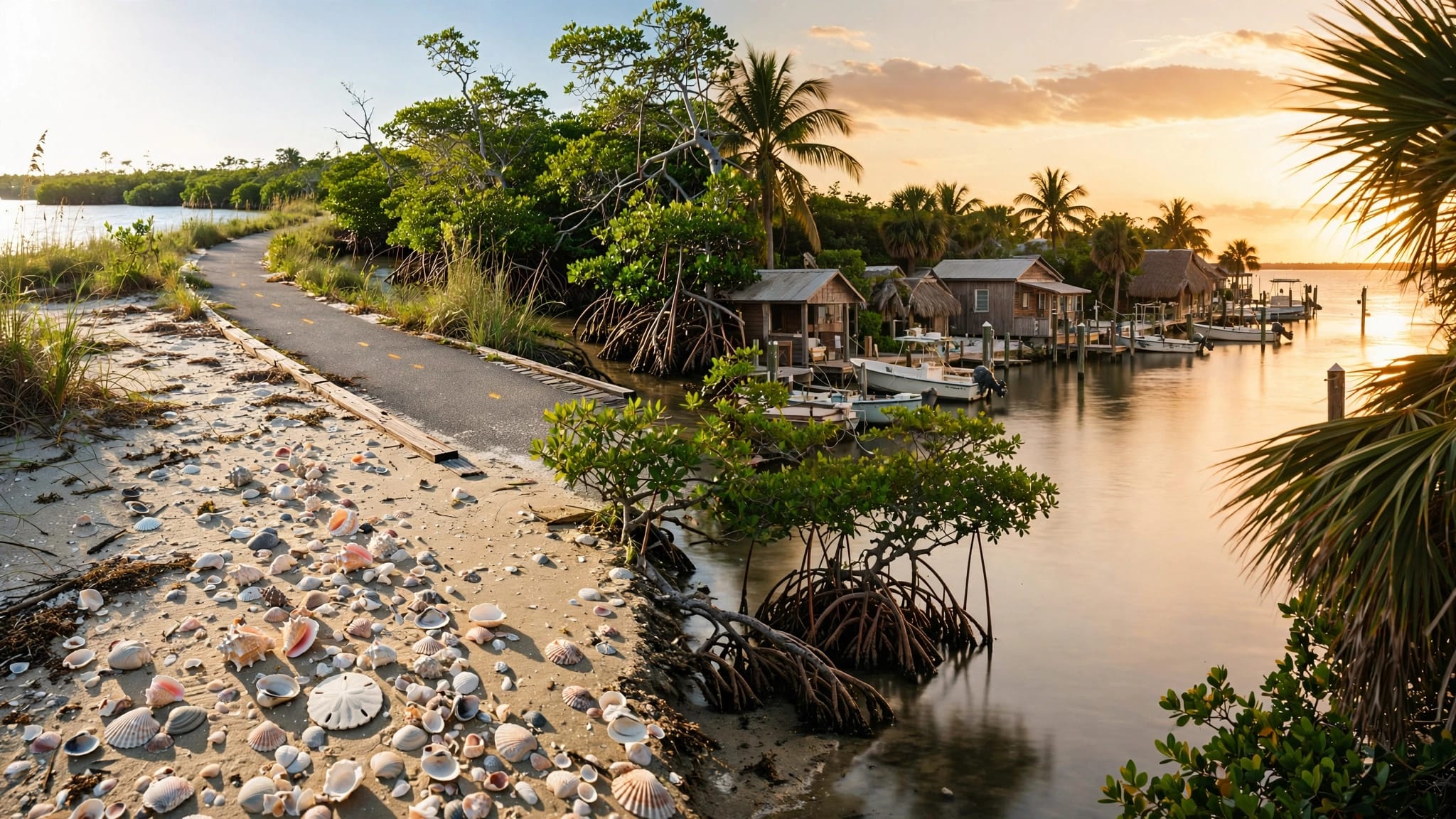
Sanibel is famous for beaches and shelling, but some of its best stories sit beyond the shoreline. If you want your trip to feel fuller, the right Sanibel Island museums and historic sites add context, color, and a stronger sense of place.
The island doesn't have a long list of major attractions, and that's part of the charm. A few well-chosen stops can show you how Sanibel was built, why shells matter here, and where the island's identity still lives. That matters when your schedule is tight and you want each stop to count.
Start with the Bailey-Matthews National Shell Museum & Aquarium
Among Sanibel's museums, this is the stop most tied to the island itself. Shells aren't a side note here. They're part of local culture, beach life, and the reason many visitors first fall for Sanibel.
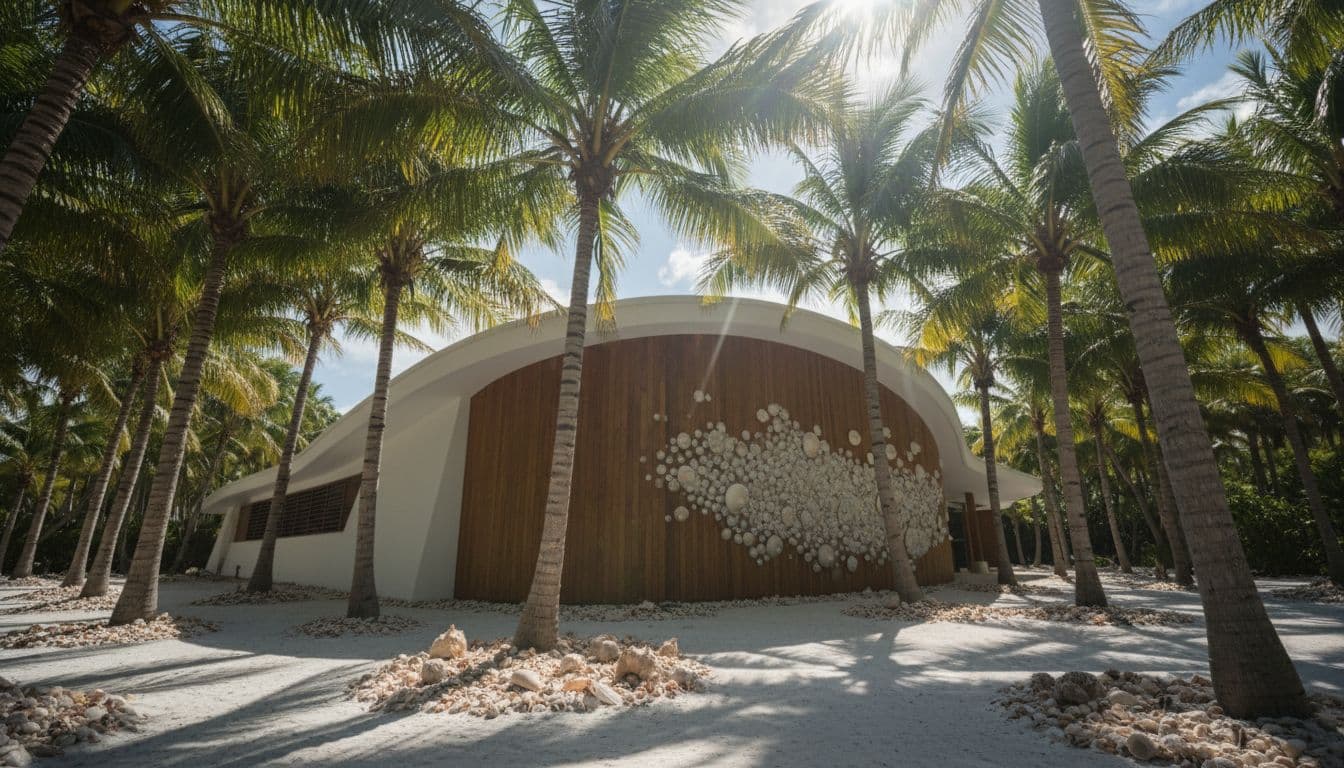
Inside, the museum goes past pretty displays. You get science, live marine life, and a closer look at the animals behind the shells you spot on the beach. Few places in Florida make natural history feel this approachable. Kids usually connect with the aquarium side, while adults tend to linger in the galleries.
If you're visiting in April 2026, there's extra reason to go. The museum's final "Third Thursday" of the season is April 16, from 5 to 7:30 p.m., with exhibit access, live music, talks, crafts, and light bites. Admission for that evening is $10 for adults and $5 for ages 5 to 17, while younger children get in free. There's also a shelling and beach walk on April 12 at Sundial Beach Resort & Spa.
This stop works well early in a trip. After an hour or two here, even a casual shell hunt feels more rewarding because you know what you're seeing. On an island shaped by water and shoreline finds, that's a strong start.
For island history, the Sanibel Historical Museum & Village is the essential stop
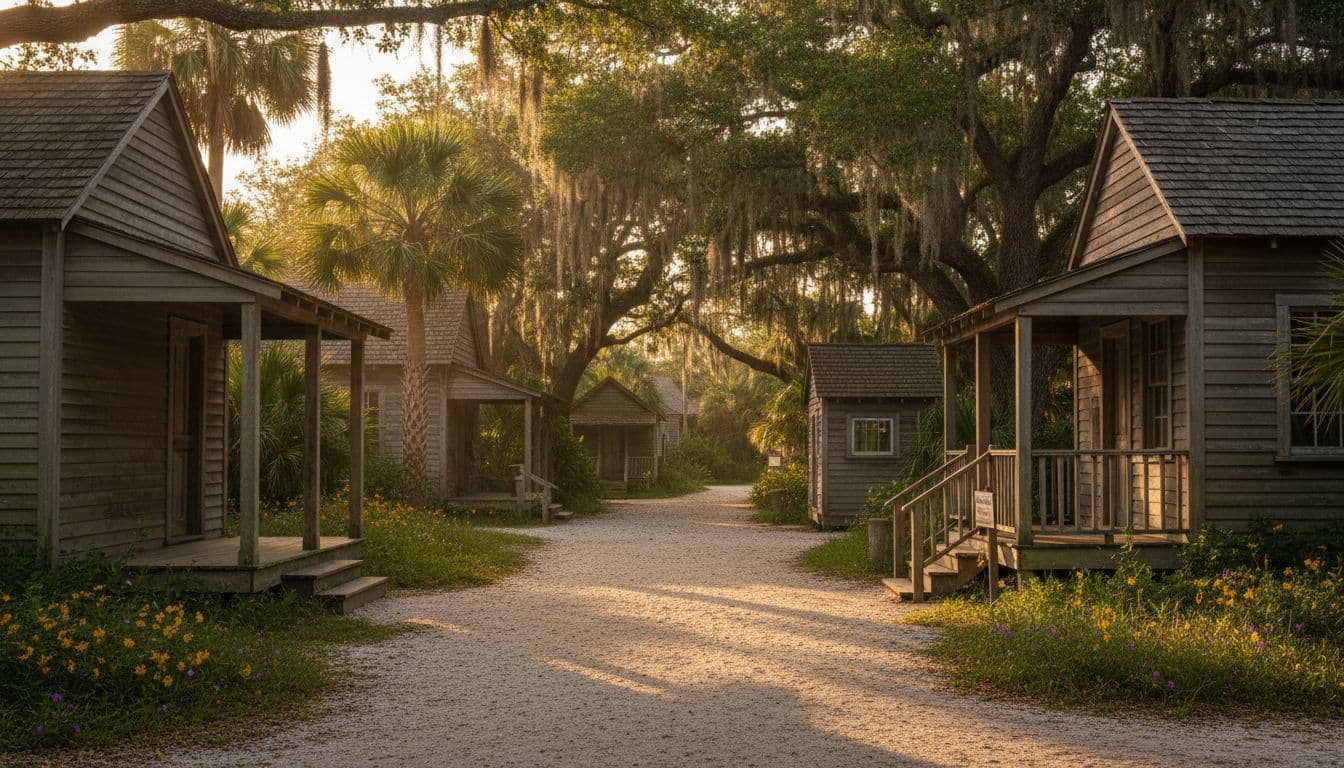
This is the place that turns old names into real lives. Instead of reading one marker and moving on, you walk through preserved buildings that show how island families lived from the late 1800s through the early 1900s.
As of April 2026, the village is open Wednesday through Sunday, 10 a.m. to 4 p.m., and last tickets are sold at 3 p.m. Free docent-led tours usually start at 10:30 a.m. and 1:30 p.m., when volunteers are available. Parking is free, and the site is handicap accessible. It also works well for visitors who want substance on a hot or windy day.
The buildings are the main draw. Look for the 1913 Rutland House, the 1926 Post Office, Miss Charlotte's Tea Room, a replica packing house, and Bailey's General Store. Even the Welcome Center has a story, because it sits in a 1924 Sears kit home. Many structures date from 1898 to 1927, so the village gives you a real window into pioneer Sanibel.
For background before you go, the museum's Sanibel history timeline is worth a quick read. Once you're there, the details land differently. You notice how small the rooms were, how practical the buildings felt, and how much work daily life took on an island that once had few modern comforts.
This is also the best place to grasp Sanibel's shift from a working island to a vacation favorite. You leave with more than facts. You leave with a sense of the people who made life here possible.
Don't skip the Sanibel Lighthouse and the Heritage Trail
The Sanibel Lighthouse isn't a museum in the usual sense, yet it's one of the island's most important historic sites. Built in 1884 and first lit in 1885, it still anchors the east end with the kind of presence that stops you short.
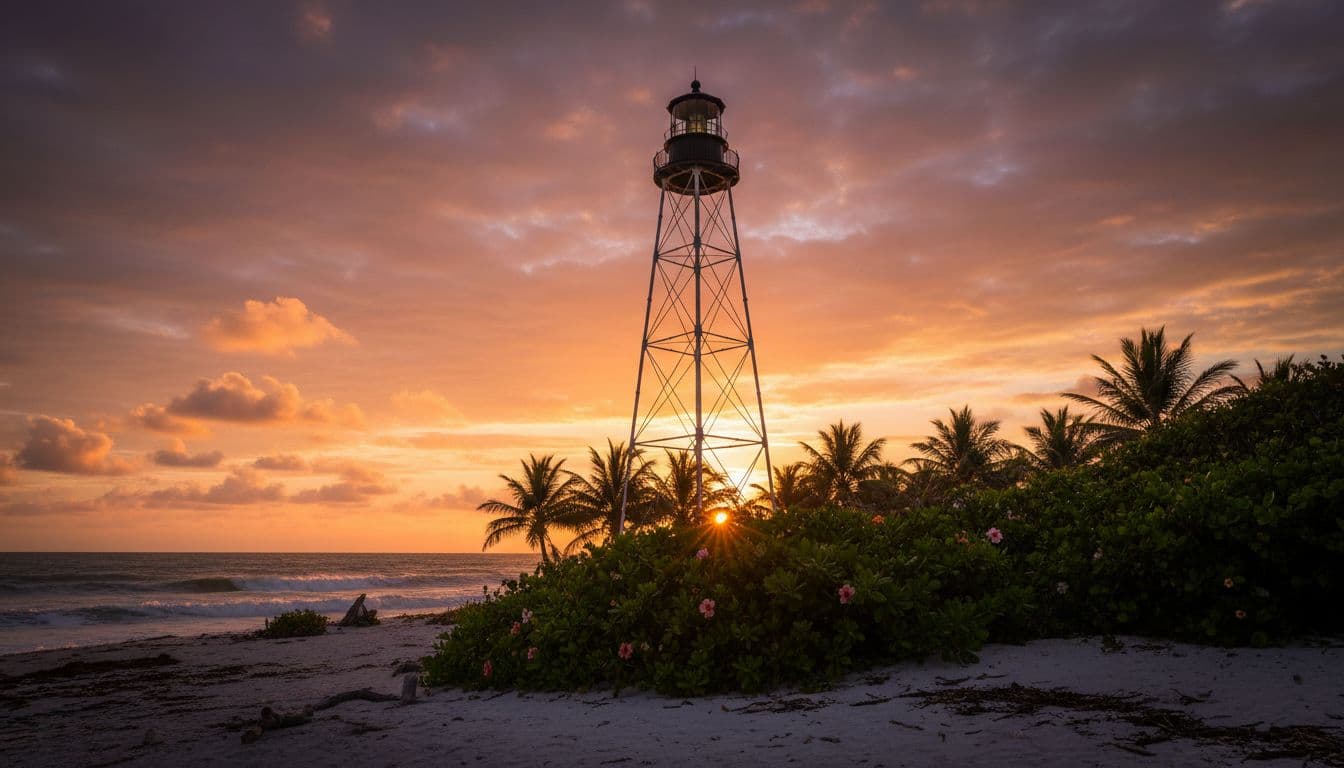
You don't come here for galleries or a long indoor visit. You come for the setting, the photo-worthy view, and the simple fact that this structure has watched over the island for well over a century. Go early or near sunset if you want the best light and a gentler walk.
To get more out of the stop, pair it with Sanibel's Heritage Trail. The self-guided route links historic panels around the island, and it works well by bike or car. It connects the lighthouse, the historical museum, and other points that help Sanibel feel less like a resort and more like a real community with a long memory.
This part of the island is easy to fit into a relaxed day. You can visit the shell museum, spend time at the village, and then end near the lighthouse as the light softens. If you'd rather keep that day free of errands, 1st Class Delivery offers Sanibel Island delivery services that can handle groceries, takeout, and other practical stops while you stay in vacation mode.
The places that give Sanibel more depth
Sanibel makes a strong first impression with beaches, but these places give the island its context . The shell museum explains what makes the shoreline special, while the historical village and lighthouse show who shaped life here and how.
If beach time fills most of your trip, that's fine. Save a few hours for the island's stories, and Sanibel starts to feel less like a postcard and more like a place you understand.