Sanibel Historical Museum Guide for First-Time Visitors
Sanibel's beaches and shelling spots get most of the attention, but the Sanibel Historical Museum gives first-time visitors a better sense of how the island became the place they see today. Historic homes, community buildings, and local artifacts show a quieter side of Sanibel that you can miss while rushing between the beach and restaurants.
The museum is easy to add to a morning or afternoon itinerary, especially if you want a break from the sun. Use this guide to plan your visit, understand the seasonal hours, and get more from your time at the Sanibel Historical Museum.
Key Takeaways
- The Sanibel Historical Museum and Village is at 950 Dunlop Road, next to BIG ARTS.
- The 2025-26 seasonal schedule includes Wednesday through Sunday hours, with shorter summer hours.
- Self-guided admission is $15 for adults, with reduced rates for teens and children.
- Wear comfortable shoes because the experience includes outdoor paths between historic buildings.
- Confirm hours before visiting, especially during the August to mid-October closure.
What the Sanibel Historical Museum Tells You About Island Life
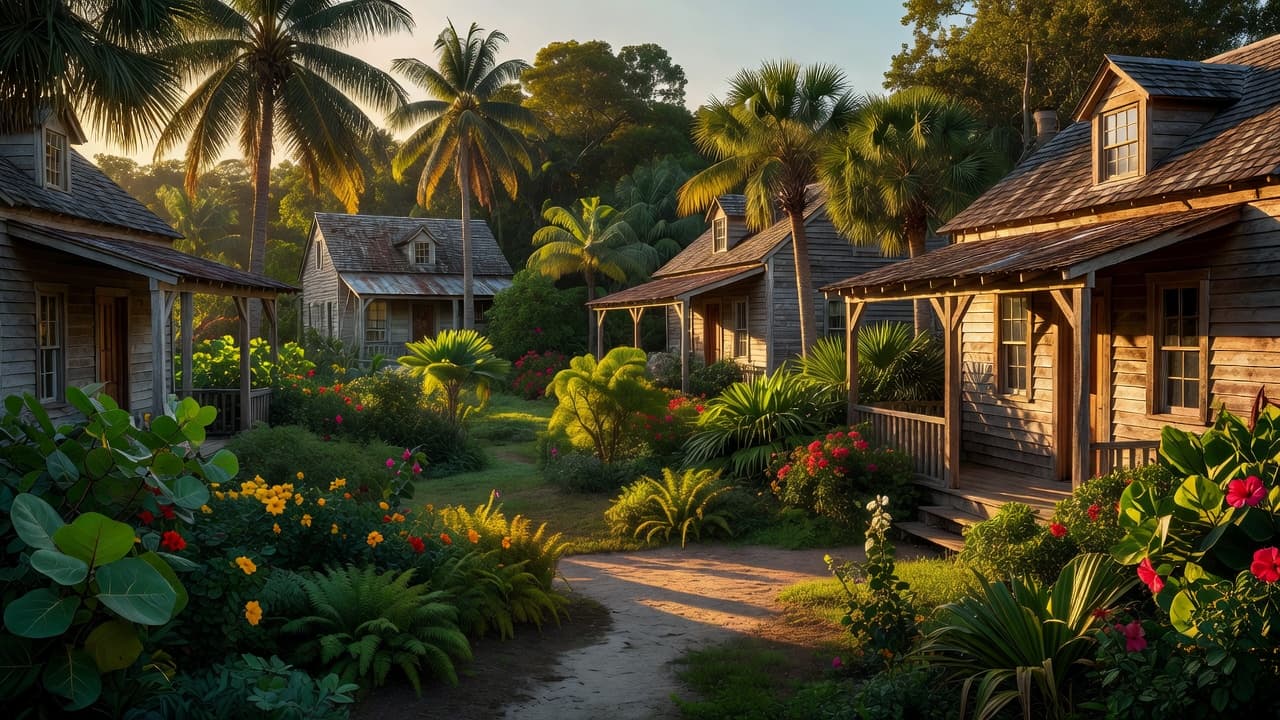
The Sanibel Historical Museum and Village preserves local history through buildings and objects rather than a single large exhibition hall. Visitors move through a small historic village, where each structure helps explain how residents lived, worked, traveled, and built community on the island.
The museum focuses on Sanibel's settlement history and the daily routines that shaped island life. You can learn about early homes, schools, businesses, communication, transportation, and the work required to live on an island before modern conveniences became common.
That setting makes the visit different from a conventional museum. Instead of standing in front of rows of display cases, you step inside historic structures and see how rooms, tools, and household items fit together. The buildings give the stories a physical scale. A kitchen feels like a working kitchen, while an old schoolroom helps children understand how education once looked.
The village also puts Sanibel's growth into context. Roads, bridges, tourism, fishing, farming, and local commerce all affected the island's development. The exhibits help connect those changes to familiar places you may pass during your vacation.
The most useful way to visit is to treat each building as part of one island story, rather than as a separate attraction.
The museum is a strong choice for visitors who want local context without spending an entire day indoors. It also works well for families because children can move through real buildings and see objects connected to ordinary life.
Sanibel Historical Museum Hours, Admission, and Location
The museum is located at 950 Dunlop Road, Sanibel, FL 33957 , beside BIG ARTS. Parking is described as free, which makes the site convenient for visitors already exploring central Sanibel.
Hours change by season. For the 2025-26 season, the published schedule follows this pattern:
- October 15, 2025 through January 4, 2026: Wednesday through Sunday, 10 a.m. to 2 p.m.
- January 7 through April 30, 2026: Wednesday through Sunday, 10 a.m. to 4 p.m.
- May 1 through July 31, 2026: Wednesday through Sunday, 10 a.m. to 2 p.m.
- August 1 through mid-October 2026: Closed to the public, with tours scheduled to resume October 15.
The official Sanibel Historical Museum visit information is the best place to check the current schedule before leaving your hotel or rental. Seasonal hours and reopening dates can change, and different published announcements have listed slightly different date boundaries.
Admission depends on whether you choose a self-guided or guided visit. The detailed 2025-26 pricing lists self-guided admission at $15 for adults age 19 and older, $10 for teens ages 13 through 18, and $5 for children ages 6 through 12. Children age 5 and younger enter free.
Guided tours cost $20 for adults, $15 for teens, and $10 for children ages 6 through 12. Guided tours are offered upon availability. Scheduled group tours can also be arranged, with fees matching regular admission.
The museum stops selling tickets one hour before closing. That cutoff matters during the shorter summer schedule, when arriving at 1 p.m. leaves little time for the visit.
For questions about hours, tours, or group arrangements, contact the museum at 239-472-4648 or info@sanibelmuseum.org . The museum's expanded-hours announcement also provides seasonal details and admission information.
How to Spend Your First Visit
Most first-time visitors should plan about 60 to 90 minutes. That gives you enough time to walk between buildings, read the displays, and pause when a particular room catches your attention.
Start by checking in and asking whether a guided tour is available. A guide can add details that aren't obvious from the objects alone, especially when you want to understand how several buildings connect to one period of Sanibel's history.
If you choose a self-guided visit, move slowly through the village instead of trying to see everything at once. Notice the construction of the buildings, the size of the rooms, and the practical items residents depended on. Small details often tell the clearest stories, such as the way a home was arranged or the tools used for everyday work.
Families can make the visit more engaging by asking children to look for changes between historic life and their own routines. How did people communicate? Where did they store food? How did children learn? What would have been difficult without air conditioning, paved roads, or modern stores?
The museum pairs well with other Sanibel activities. Visit during the hottest part of the day, then head to the beach later. You can also stop before lunch, since the museum's central location makes it practical to continue toward Periwinkle Way or nearby restaurants.
Allow extra time if you're interested in local architecture or photography. The historic buildings and tropical vegetation create a setting that rewards careful observation. However, stay aware of museum rules and avoid touching artifacts or entering areas marked for staff only.
What to Bring and What to Expect
Comfortable shoes are more useful than beach sandals. You'll walk outdoors between buildings, and uneven surfaces can make thin flip-flops uncomfortable. A hat, sunglasses, sunscreen, and water are also smart choices during warmer months.
Sanibel's weather can change quickly. A short rain shower may affect an outdoor visit, so check the forecast before you go and keep a light cover-up in your day bag. During summer, the shorter hours also mean higher heat, so an early visit is often more comfortable.
Bring a phone for photos if photography is allowed in the areas you visit, but don't let it replace looking closely at the displays. The value of the museum comes from details that don't always appear in a quick snapshot.
Visitors with mobility concerns should call ahead with questions about paths, entrances, and access to individual historic buildings. Historic structures can have narrow doorways, steps, or uneven floors. The staff can provide the most current information for your planned visit.
The museum gift shop is located in Shore Haven and follows the same seasonal schedule as the village. It can be a convenient place to find a small local souvenir after touring the buildings. Since purchases end one hour before closing, don't leave shopping until the last few minutes.
For a deeper visit, consider returning during a different season. The island feels different in January than it does in July, and seasonal hours affect how much time you have to explore.
Getting to the Museum During a Sanibel Trip
The museum is simple to add to a Sanibel driving route, but transportation can become difficult when your day includes the airport, groceries, restaurant pickups, or several stops. Visitors staying on nearby islands may also prefer not to interrupt a beach day to handle errands.
A local delivery and transportation company can help with those practical tasks. 1st Class Delivery provides Sanibel delivery and transportation services, including grocery shopping, restaurant food pickup, pharmacy pickup, and airport rides. Arranging help with errands can leave more time for the museum and the rest of your island plans.
If you're traveling with a group, confirm parking and arrival details before visiting. A scheduled tour may require everyone to arrive together, while a self-guided visit gives you more flexibility. Calling ahead is especially helpful during holiday periods and seasonal schedule changes.
Plan the museum around your energy, not as an afterthought. A morning visit usually leaves room for lunch and outdoor activities, while an early afternoon stop works well during the longer winter and spring hours.
A Few Details First-Time Visitors Often Miss
The museum's seasonal closure is easy to overlook. Sanibel attractions don't all follow the same calendar, so a search result from an older travel page may show hours that no longer apply. Check the official schedule before making the drive, particularly between August and October.
Last admission also matters. A museum that closes at 2 p.m. may stop ticket sales at 1 p.m., which gives late visitors less time than expected. Arriving at least 90 minutes before closing creates a more relaxed visit.
Admission categories can vary by announcement, too. Current detailed pricing separates teens from younger children, while older pages may summarize youth admission differently. If you need an exact total for a family or group, confirm the price by phone or email.
Finally, don't judge the museum by its size. The village is compact, but the buildings require attention. Read the background information, compare rooms, and ask questions. A short visit can still become one of the most memorable parts of your Sanibel itinerary because it explains the island beyond its postcard views.
Conclusion
The Sanibel Historical Museum gives first-time visitors a practical way to understand Sanibel's past through authentic buildings and everyday objects. Its location, free parking, and manageable visit length make it easy to fit between beach time, meals, and other island stops.
Check the seasonal hours, arrive before the last ticket sale, and wear shoes suited to outdoor paths. Once you see how earlier residents lived and worked, the streets and neighborhoods around Sanibel will carry a little more history with them.