Holocaust Museum Naples: First-Time Visitor Guide
A first visit to the Holocaust Museum Naples location can feel meaningful, moving, and difficult to plan if you don't know what to expect. The Holocaust Museum & Cohen Education Center is in North Naples, and its exhibits connect Holocaust history with the personal choices that shaped it.
You can make the visit easier by checking the latest hours, allowing enough time, and preparing for sensitive material. Use this guide to plan your arrival, understand admission, and approach the museum with care.
Key Takeaways
- The Holocaust Museum & Cohen Education Center is at 975 Imperial Golf Course Blvd., Suite 108, in North Naples.
- Current listed hours are Tuesday through Sunday, 1:00 p.m. to 4:30 p.m., with last admission at 3:30 p.m.
- Admission is listed at $15 for adults, with reduced rates for seniors, students, military members, and veterans.
- Plan on two to three hours if you want time to read the exhibits without rushing.
- The museum is wheelchair accessible, but wheelchairs aren't provided on-site.
What to Expect at the Holocaust Museum Naples
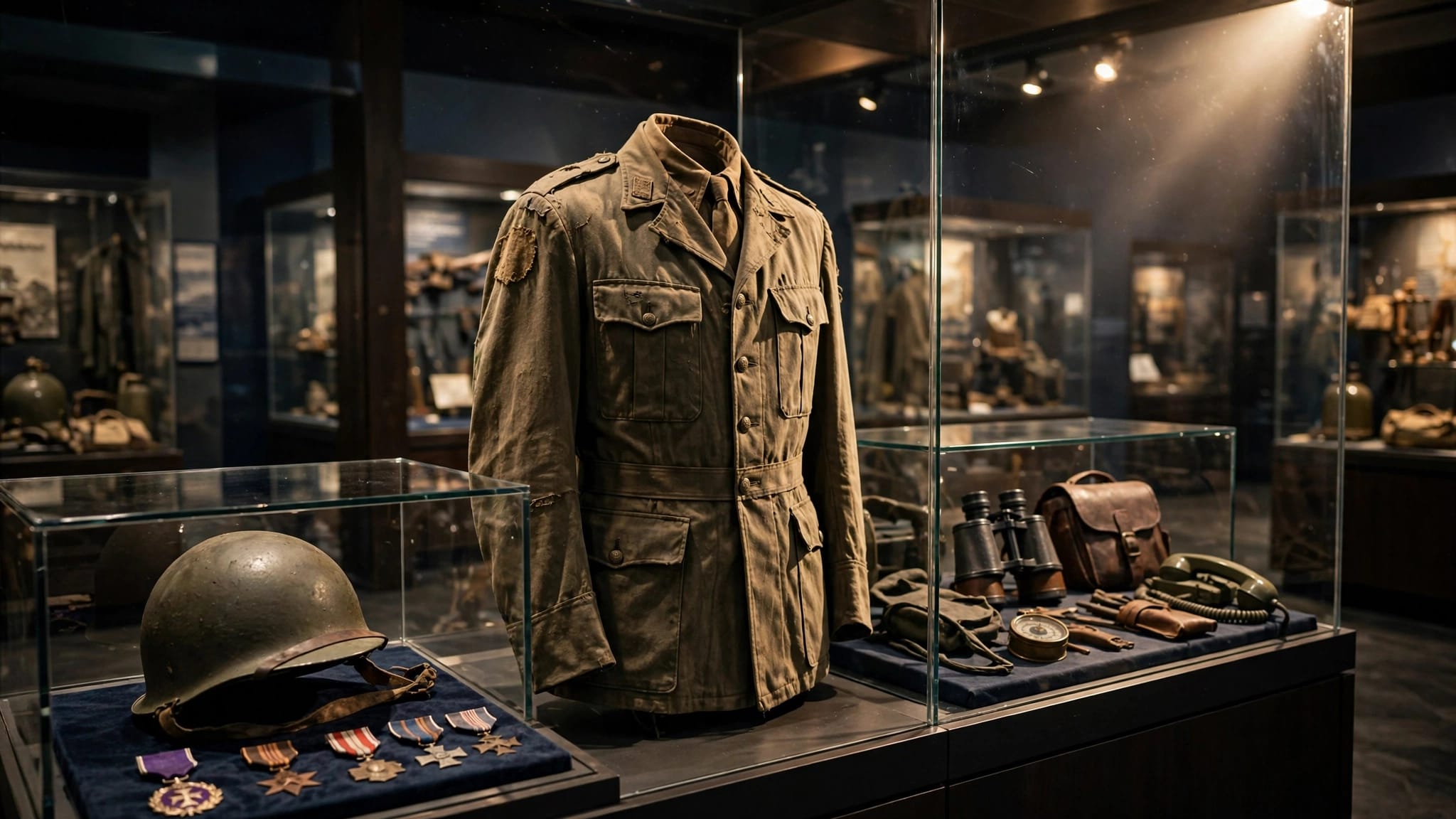
The Holocaust Museum & Cohen Education Center presents a chronological account of Holocaust and World War II history. The story begins with the prewar period, follows the rise of Nazi persecution and mass murder, and continues through the war's aftermath and the Nuremberg Trials.
The museum's purpose extends beyond historical dates. Its educational mission focuses on teaching the Holocaust, opposing hatred, and promoting mutual respect. For many visitors, the experience becomes more personal as they move through accounts of persecution, survival, loss, and the choices made by individuals and institutions.
A first-time visitor should expect a serious museum experience rather than a quick sightseeing stop. Some content may be graphic or emotionally disturbing. Parents and guardians should decide whether the subject is suitable for younger children before visiting.
The museum was inspired by a local middle school project about the Holocaust. That origin remains part of its community-focused identity. The center now provides educational programming, docent-led tours, and group visits in addition to its public exhibits.
The official Holocaust Museum & Cohen Education Center website is the best place to check announcements, programs, and changes before you leave. Temporary exhibits can affect what you see during your visit, so look for current notices if you have a particular interest.
Hours, Location, and Admission
The museum is located at 975 Imperial Golf Course Blvd., Suite 108, Naples, FL 34110 , off Tamiami Trail in North Naples. It isn't in downtown Naples, so check your route before setting out, especially during busy seasonal traffic.
Current visitor information lists public hours as:
- Tuesday through Sunday, 1:00 p.m. to 4:30 p.m.
- Last admission, 3:30 p.m.
- Closed Mondays and major U.S. holidays
The museum's business office hours are listed as Monday through Friday, 9:00 a.m. to 5:00 p.m. Holiday closures can vary, and some online listings show different closing details. Review the museum's official hours and location information before your visit.
Reported admission prices are:
| Visitor | Listed admission |
|---|---|
| Adult | $15 |
| Senior | $13 |
| Student ages 12 to 18 with valid ID | $8 |
| Child under 12 | Free with parent or guardian approval |
| Military member or veteran | $7.50 |
| Museum member | Free with valid membership card |
Because admission policies and age requirements can change, confirm the current price when reserving a ticket or calling the museum. Online timed-entry tickets are recommended, particularly during the winter season, school breaks, and special exhibits.
Daily docent-led tours may be available with admission. Private and school group tours are arranged by appointment during non-public hours. If you're traveling with a group, contact the museum before arriving rather than relying on walk-in availability.
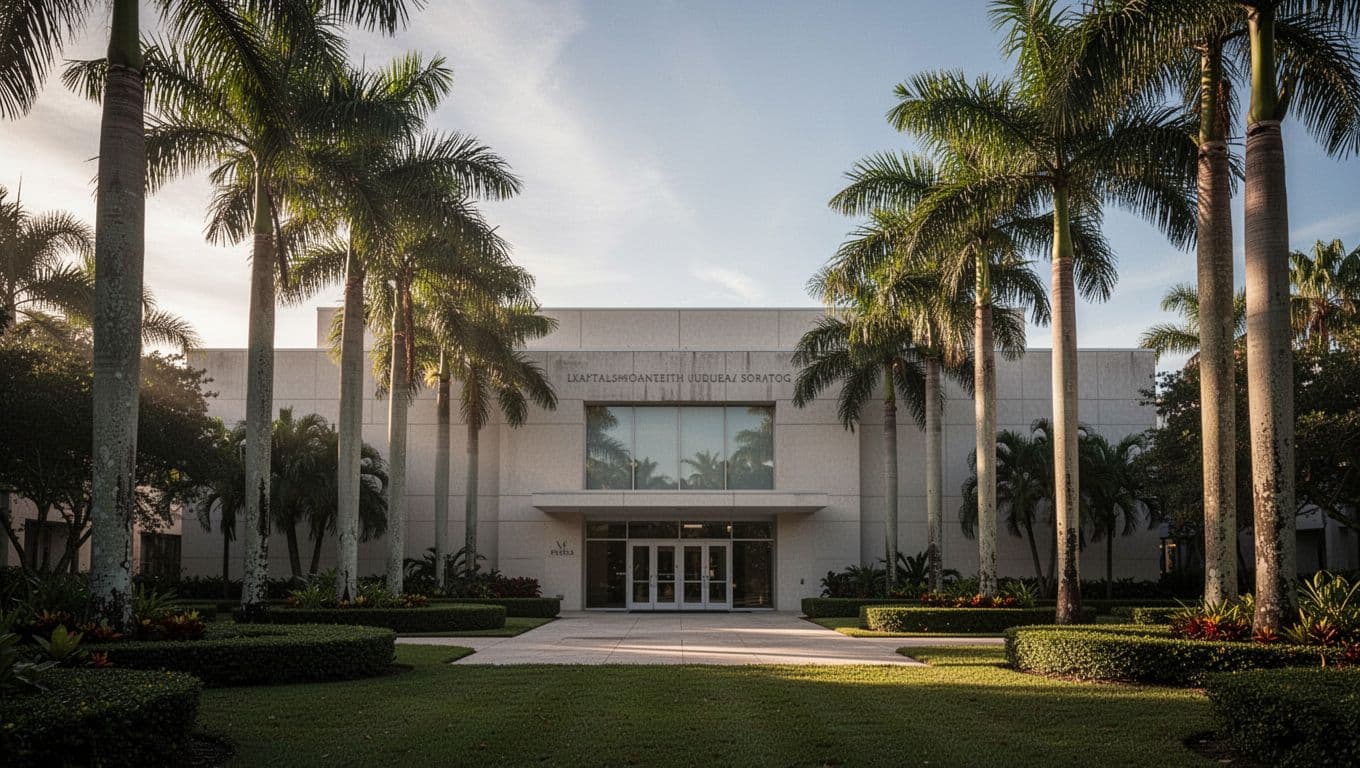
The museum is in North Naples, off Tamiami Trail.
Exhibits and How to Spend Your Time
The permanent presentation follows the Holocaust and World War II in chronological order. That structure helps first-time visitors understand how discrimination developed into organized persecution, deportation, murder, and the difficult work of justice after the war.
Allow at least 90 minutes for a focused visit. Two to three hours is a better estimate if you plan to read detailed panels, listen to the available audio material, and pause between galleries. The subject deserves time, and rushing can make the experience harder to process.
In 2026, the museum is also featuring "Caught on Film: The Wartime Photography of Ken Regele and the U.S. Army Signal Corps." The exhibit opened on May 5, 2026, and current local coverage lists it as running through summer 2026. Since temporary exhibit dates can change, confirm availability before planning your day around it.
Photography policies and exhibit rules may differ by gallery. Follow posted instructions and ask staff if you're unsure. Avoid treating the museum like a conventional attraction. Quiet voices, respectful behavior, and careful attention to the material help preserve the experience for everyone.
A docent-led tour can add context that isn't obvious from the displays alone. If you prefer to move at your own pace, ask whether the complimentary self-guided audio tour is available with admission. Either option can work well, depending on how much background you already have.
The most useful preparation is emotional, not logistical. A visitor who knows the exhibits may include disturbing images and personal testimony can set a more appropriate pace.
Tips for a Respectful First Visit
Plan your arrival for early in the public hours if you want more time inside. The final admission time is not the museum's closing time, so arriving at 3:30 p.m. leaves limited time for the galleries.
Wear comfortable clothing and shoes. The museum is indoors, and you may spend much of the visit standing, reading, or moving slowly through the exhibits. Florida heat and afternoon thunderstorms can also make an indoor cultural stop a welcome change from outdoor plans.
Before arriving, consider how you'll respond to difficult material. Visitors may feel sadness, anger, shock, or fatigue. Taking a short break is appropriate. You don't need to view every item in a single pass.
Families should talk with children in age-appropriate language. Younger visitors may ask direct questions about violence, death, discrimination, and fairness. A simple explanation before entering can help them understand why the museum requires a quiet and respectful atmosphere.
If you're visiting with someone who has a personal connection to the Holocaust or another genocide, give them control over the pace. The museum can be educational for a group while still affecting each person differently.
The center also offers educational programs and special events. Some events may be free to the public, while tours and programs can require advance arrangements. Check the current calendar before assuming an event is available during your trip.
Accessibility and Visitor Policies
The museum is wheelchair accessible. However, current visitor information says wheelchairs aren't provided, so visitors who need one should arrange their own equipment before arriving.
Call ahead if you have questions about mobility, seating, group access, or the best time to visit. Staff can also clarify current policies for photography, bags, children, service animals, and timed entry. Policies may change for special programs or temporary exhibits.
Visitors with sensory concerns may benefit from choosing a quieter time and planning breaks. The subject matter itself can be intense, and the museum environment may feel different from a typical art or history attraction. A slower schedule gives you room to step outside and regroup.
The museum's phone number is (239) 263-9200 . Use it to confirm hours, admission, exhibit dates, and accessibility details before making a long drive.
Making the Rest of Your Day Easier
A museum visit often fits best into a slower afternoon rather than a packed itinerary. Leave room before or after the visit for a meal, rest, or a quiet conversation about what you saw.
If you're staying in Cape Coral, Sanibel, Matlacha, St. James City, or Captiva, errands can take time away from your plans. 1st Class Delivery offers professional delivery services for grocery orders, restaurant pickups, pharmacy runs, household goods, and other local errands.
That kind of VIP-style help can be useful for visitors and residents who want to spend their vacation or everyday time together instead of driving between stores and pickup locations. Availability depends on the requested service and destination, so confirm coverage before scheduling.
Is the Holocaust Museum Naples Worth Visiting?
The Holocaust Museum Naples experience is a strong choice for visitors who want to understand Holocaust history through a local educational center. It requires more attention than a casual attraction, but the chronological layout gives first-time guests a clear way to follow the events.
Set aside two to three hours, check the current schedule, and arrive with realistic expectations about the emotional weight of the exhibits. A little planning helps you give the museum the time and respect its subject deserves.
Conclusion
The Holocaust Museum & Cohen Education Center offers a thoughtful way to learn about the Holocaust, World War II, and the consequences of hatred. Confirm the latest hours, admission, exhibit dates, and accessibility details before visiting North Naples.
When you plan enough time and approach the galleries with care, the Holocaust Museum Naples visit becomes more than another stop on a Florida itinerary. It becomes a chance to remember individual lives, examine difficult history, and leave with a stronger sense of personal responsibility.