Randell Research Center: Pine Island Trails and History
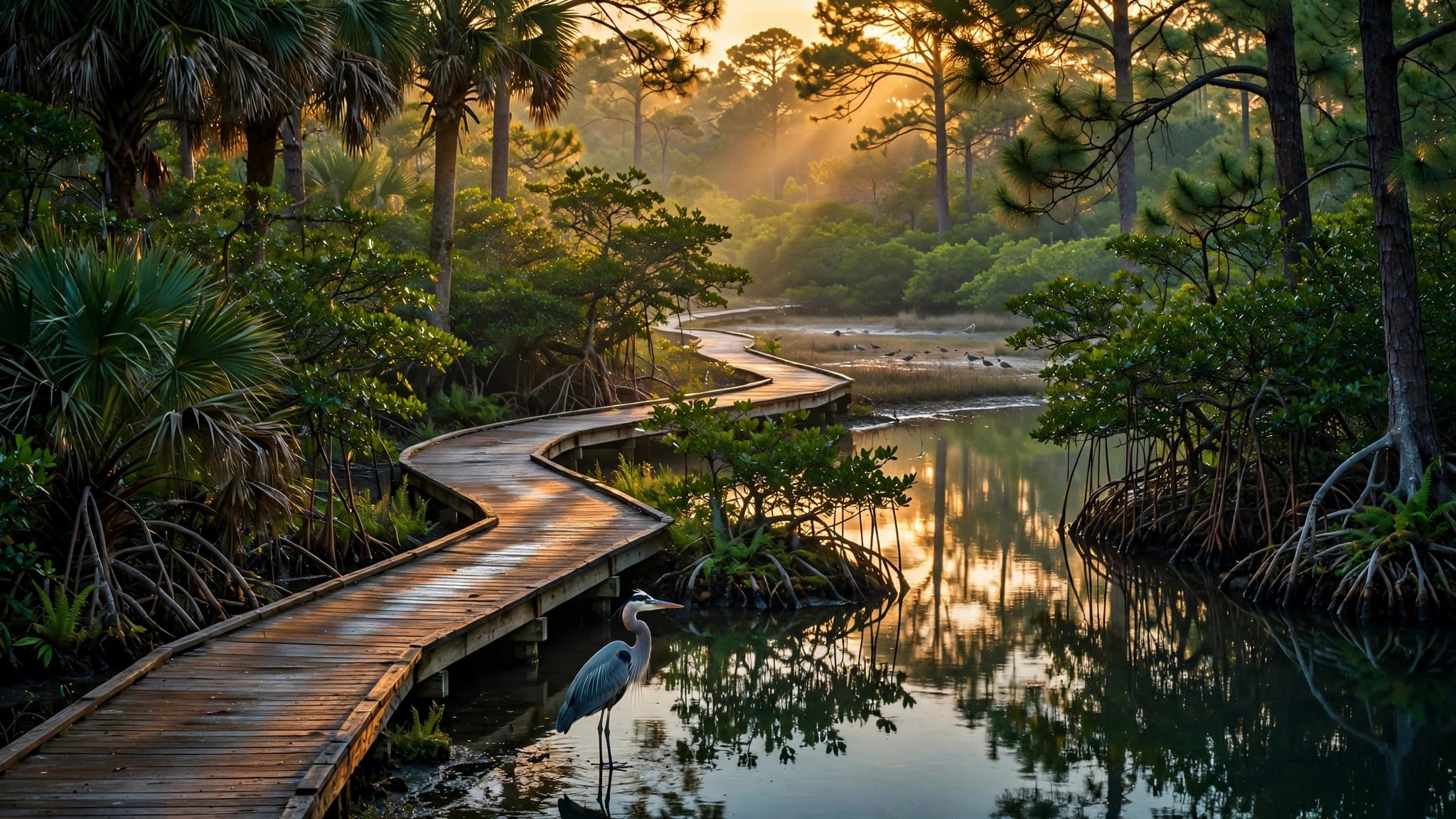
A visit to the Randell Research Center gives you a short, meaningful walk through one of Southwest Florida's most important archaeological landscapes. On Pine Island, the Calusa Heritage Trail passes shell mounds, an ancient canal, native vegetation, and other features connected to the Pineland archaeological site.
The trail is easy to add to a Pine Island day trip, but current hours, seasonal services, weather, and construction closures matter. Use this guide to plan the visit, understand what you will see, and leave enough time for the island's quieter waterfront stops.
Why the Randell Research Center Matters
The center sits in Pineland on Pine Island, where archaeological evidence documents long-term Calusa occupation. The Calusa built coastal communities around fishing, shellfish, hunting, trade, and their knowledge of nearby waterways.
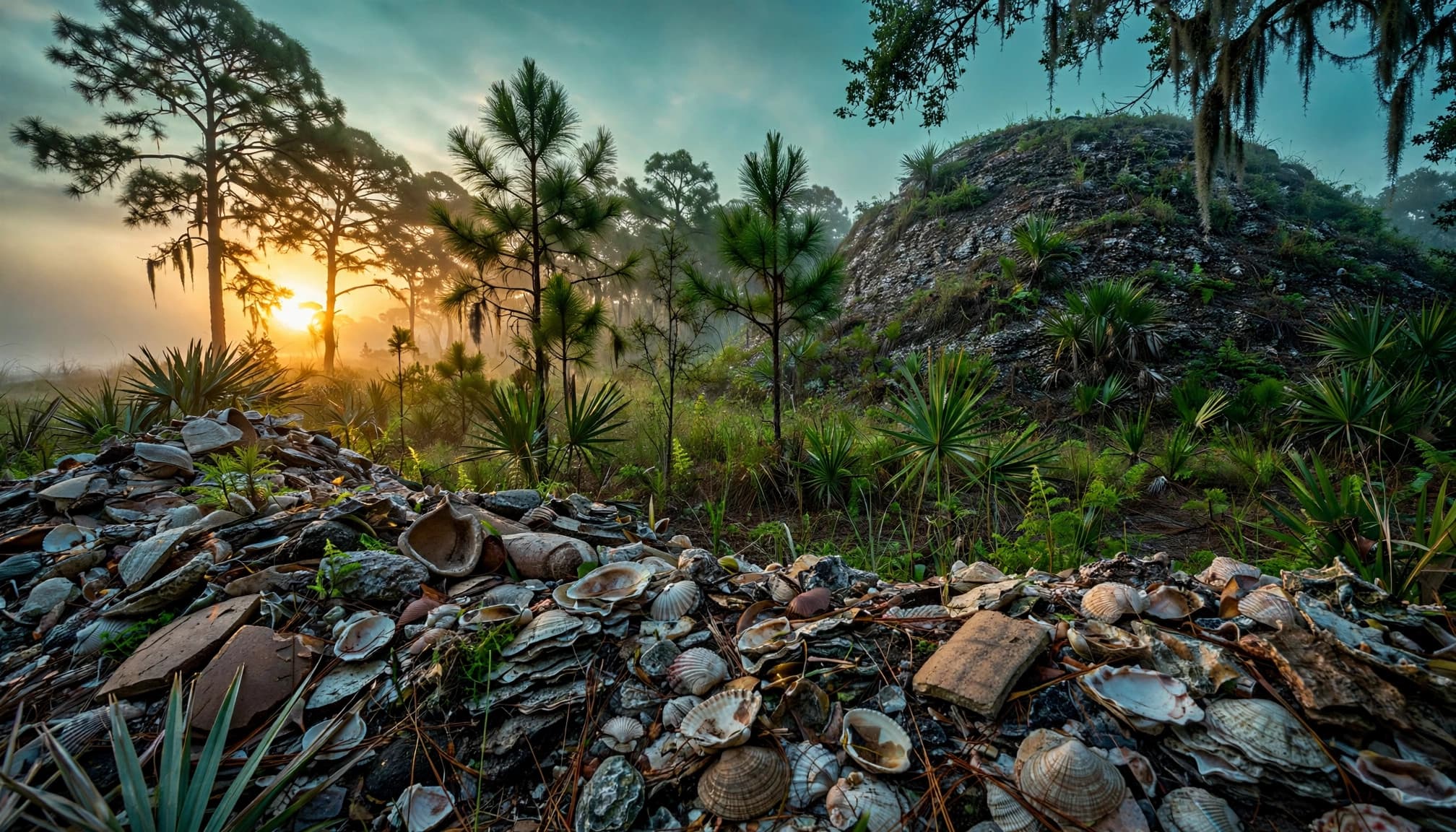
Shell mounds record daily life
The raised ground around Pineland formed through years of human activity. Shells, fish bones, pottery, and other discarded materials accumulated around living and working areas. Over time, those deposits created mounds that still shape the site.
The mounds are not reconstructed buildings. Vegetation covers much of the archaeological landscape, so visitors experience the history through changes in elevation, trail views, canals, and interpretive signs. Even a modest shell fragment can carry archaeological value when it remains in its original setting.
Stay on marked paths, and don't remove shells, pottery, bones, plants, or other objects. A photograph preserves the memory without damaging the site.
The Calusa and their waterways
The Calusa depended on the waters surrounding Pine Island and the broader southwest Florida coast. Canals and waterways supported transportation, fishing, and connections between settlements.
The trail helps put that history into a physical setting. Instead of viewing the Calusa only through museum displays, you can see the landforms and water features that supported their society. The official visitor information for the Randell Research Center is the best place to confirm current access before driving to Pineland.
Walking the Calusa Heritage Trail
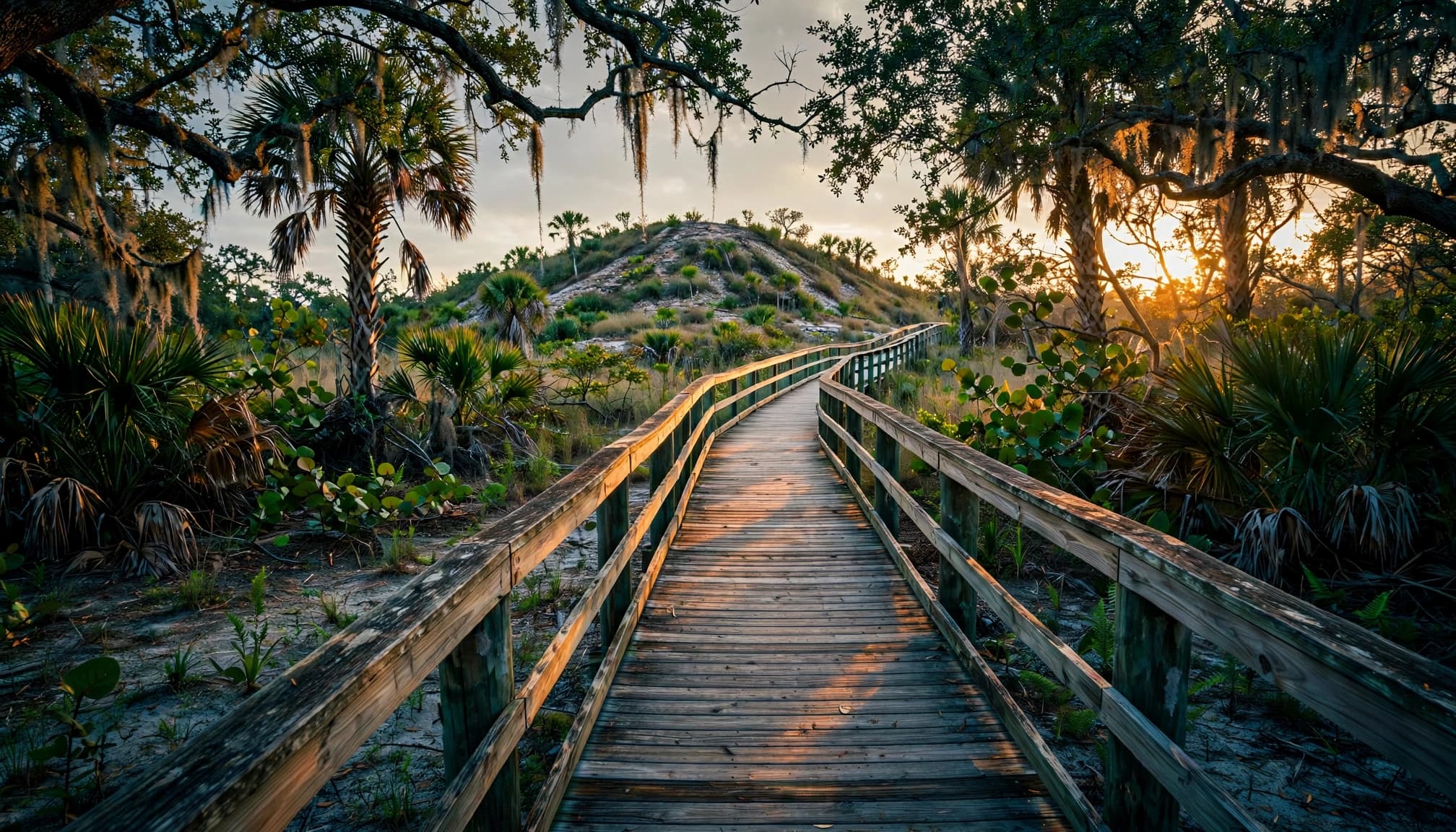
The Calusa Heritage Trail is the main reason most people visit the center. It is a 3,700-foot interpretive pathway, or roughly seven-tenths of a mile, through the Pineland archaeological site.
What the trail includes
The route includes 13 interpretive signs, two observation platforms, eight benches, boardwalk sections, and a bridge across an ancient Calusa canal. These features make the walk more than a simple loop through vegetation.
Allow about 30 to 60 minutes for the basic walk, then add time if you plan to read every sign, take photographs, or pause at the platforms. The trail length is manageable for many visitors, but Southwest Florida heat can make even a short outdoor route tiring.
The Calusa Heritage Trail details provide the official description of the route and its features.
What to bring
Wear comfortable shoes with reliable traction. Boardwalks and maintained sections make the route easier to follow, but natural areas can still feel uneven or wet after rain.
Bring drinking water, sunscreen, insect repellent, and a hat. Early morning usually offers cooler conditions, while late afternoon can provide softer light for photographs. Check the weather before leaving because summer storms can change outdoor plans quickly.
Wildlife may appear along the trail, including birds, lizards, and other animals associated with Pine Island's coastal vegetation. Watch without feeding or approaching wildlife, and keep your attention on the marked route.
Hours, Donations, and Current Access
The trail and the visitor services do not follow identical schedules. Plan around the difference so you don't assume that an open trail means every building or shop is operating.
Trail hours and admission
The Calusa Heritage Trail is open daily for self-guided visits from sunrise to sunset. The center requests donations of $7 for adults, $5 for seniors, and $4 for children. Friends of the RRC members receive free admission.
| Visitor detail | Current information |
|---|---|
| Self-guided trail | Daily, sunrise to sunset |
| Adult donation | $7 |
| Senior donation | $5 |
| Child donation | $4 |
| Friends of the RRC | Free admission |
| Address | 13810 Waterfront Drive, Pineland, FL 33945 |
The Calusa Heritage Trail admission and hours provide another current reference for planning the visit. Confirm details before traveling because seasonal schedules and weather-related operations can change.
Gift shop and construction updates
Gift shop hours vary by season. From November through May, the shop is open Monday through Saturday, 10 a.m. to 4 p.m. From June through October, it is open Wednesday through Saturday, 10 a.m. to 2 p.m., weather permitting.
The classroom and facilities are closed to the public until further notice because of ongoing construction. That closure doesn't prevent self-guided trail visits, but it does limit indoor activities. Holiday closures listed for the center include July 4, Thanksgiving, Christmas Eve, and Christmas Day. The trail remains available for self-guided visits on those holidays according to the current visitor information.
Guided Tours and Self-Guided Visits
Most visitors can explore independently, but a guided tour may add useful context about the mounds, canal, Calusa settlement, and archaeological work at Pineland.
When guided tours are available
Guided tours are offered January through April. These tours can be a good choice during the cooler season, especially if you want historical interpretation rather than a quick nature walk.
Ask about tour availability before building your schedule around one. Tour dates, group sizes, and seasonal staffing can affect the options available on a particular day.
Planning a private group tour
Private guided tours may be scheduled between May and December with at least two weeks' notice. The request must cover a group of four or more people.
A private tour can make sense for a family group, school outing, or organized visit. Contact the center directly before traveling if you need a guide, special timing, or confirmation about current facilities.
Self-guided visitors should still read the signs and allow enough time to stop at the observation platforms. The short trail becomes much more informative when you treat it as an archaeological visit rather than a fast walk.
Directions and Practical Planning
The center is at 13810 Waterfront Drive in Pineland, near Tarpon Lodge. The drive is straightforward, but Pine Island's main roads can become busy during peak travel periods or after weather disruptions.
Driving to Pineland
Follow Pine Island Road, also called Highway 78, west through Matlacha to Stringfellow Road. Turn right onto Stringfellow Road and continue 3.1 miles. Turn left onto Pineland Road, drive 1.4 miles, then turn onto Waterfront Drive.
Continue 0.2 miles to the trail sign and gate near Tarpon Lodge. Use current maps for navigation, but follow on-site signs when you arrive. Confirm parking arrangements and temporary access information before leaving, since conditions can change.
The center does not replace the need to check current county information for road conditions, parking, or closures. That step is especially useful during heavy rain, construction, or seasonal events.
Plan for outdoor comfort
A 30-to-60-minute visit fits well into a larger Pine Island itinerary. Start early if you want cooler temperatures and more time for other stops. If rain moves in, shorten the trail visit rather than forcing the entire route.
The Pine Island Bike Path extends about 14.4 miles between Bokeelia and St. James City. You don't need to ride the entire path. A short section can add a simple walking or cycling stop after visiting the research center.
For a broader schedule, use this Pine Island day trip planning guide to combine the archaeological site with food, waterfront time, and other island stops.
Pairing the Visit With a Pine Island Day Trip
The Randell Research Center works best as one meaningful stop within a slower Pine Island schedule. Trying to pack in every attraction can leave little time for the landscape itself.
A practical island itinerary
Leave Cape Coral or Fort Myers around 8 a.m. if you want to begin before the strongest heat. Spend the morning in Bokeelia or Pineland, then stop for lunch and a waterfront break.
After the research center, continue south toward St. James City for a short nature walk, a section of the bike path, or time near the water. Keep at least an hour of daylight for the return drive, especially if storms are possible or you need to cross the mainland later.
The island rewards an open schedule. A quiet shoreline view or an unplanned break beside the water may become more memorable than another scheduled attraction.
Reducing errands during the day
Visitors staying in Cape Coral, Matlacha, Pine Island, Sanibel, St. James City, or Captiva may need groceries, meals, pharmacy items, household supplies, or airport transportation during a trip. 1st Class Delivery is a VIP service for people who want to enjoy vacation, or daily life, without spending time running errands.
The company can handle shopping, food pickup, pharmacy errands, household needs, and other local requests, subject to availability and location confirmation. See the available Cape Coral delivery services before your visit so the trail day doesn't become a series of extra stops.
Key Takeaways
- The Randell Research Center is in Pineland at 13810 Waterfront Drive.
- The Calusa Heritage Trail is open daily from sunrise to sunset for self-guided visits.
- The official trail length is 3,700 feet, with mounds, signs, observation platforms, benches, boardwalks, and an ancient canal bridge.
- Current requested donations are $7 for adults, $5 for seniors, and $4 for children.
- Gift shop hours are seasonal, and the classroom and facilities are closed because of construction.
- Guided tours are offered January through April, with private tours available by advance arrangement for groups of four or more.
- Bring water, sun protection, insect repellent, and shoes suited to outdoor conditions.
- Check current access, weather, parking, and road information before leaving.
Randell Research Center FAQ
How long does the Calusa Heritage Trail take?
Many visitors can walk the 3,700-foot route in about 30 to 60 minutes. Reading all 13 interpretive signs, stopping at the platforms, and taking photographs can extend the visit.
Is the Randell Research Center open every day?
The self-guided trail is open daily from sunrise to sunset. Visitor services, the gift shop, guided tours, and indoor facilities follow different schedules. Check the current visitor information before traveling.
Can I visit without joining a guided tour?
Yes. Self-guided visits are available every day during trail hours. Guided tours are an optional way to receive more historical and archaeological context.
What should I avoid doing at the site?
Stay on marked trails, don't climb archaeological features, and leave shells, pottery, bones, plants, and other objects in place. Avoid feeding or approaching wildlife, and follow any temporary signs or staff instructions.
Conclusion
The Randell Research Center offers a focused way to experience Pine Island history without committing to a long hike. The Calusa Heritage Trail combines archaeological features, coastal vegetation, and clear interpretive points in a route that fits easily into a broader island day.
Check the current schedule, prepare for heat and rain, and leave room for a waterfront pause afterward. A well-planned visit gives you time to learn about Pineland without rushing through the landscape that makes the history tangible.