Museum of the Everglades Visitor Guide for 2026
The Everglades is known for sawgrass, alligators, and open water, but its human history is just as compelling. A visit to the Museum of the Everglades gives you a closer look at the people, industries, roads, storms, and communities that shaped Florida's southern Gulf Coast.
The museum is small enough for an easy stop, yet rich enough to add context to a full Everglades City day. Use this 2026 guide to check hours, understand what you'll see, plan nearby activities, and avoid confusing the museum with Everglades National Park facilities.
Museum of the Everglades visitor information for 2026
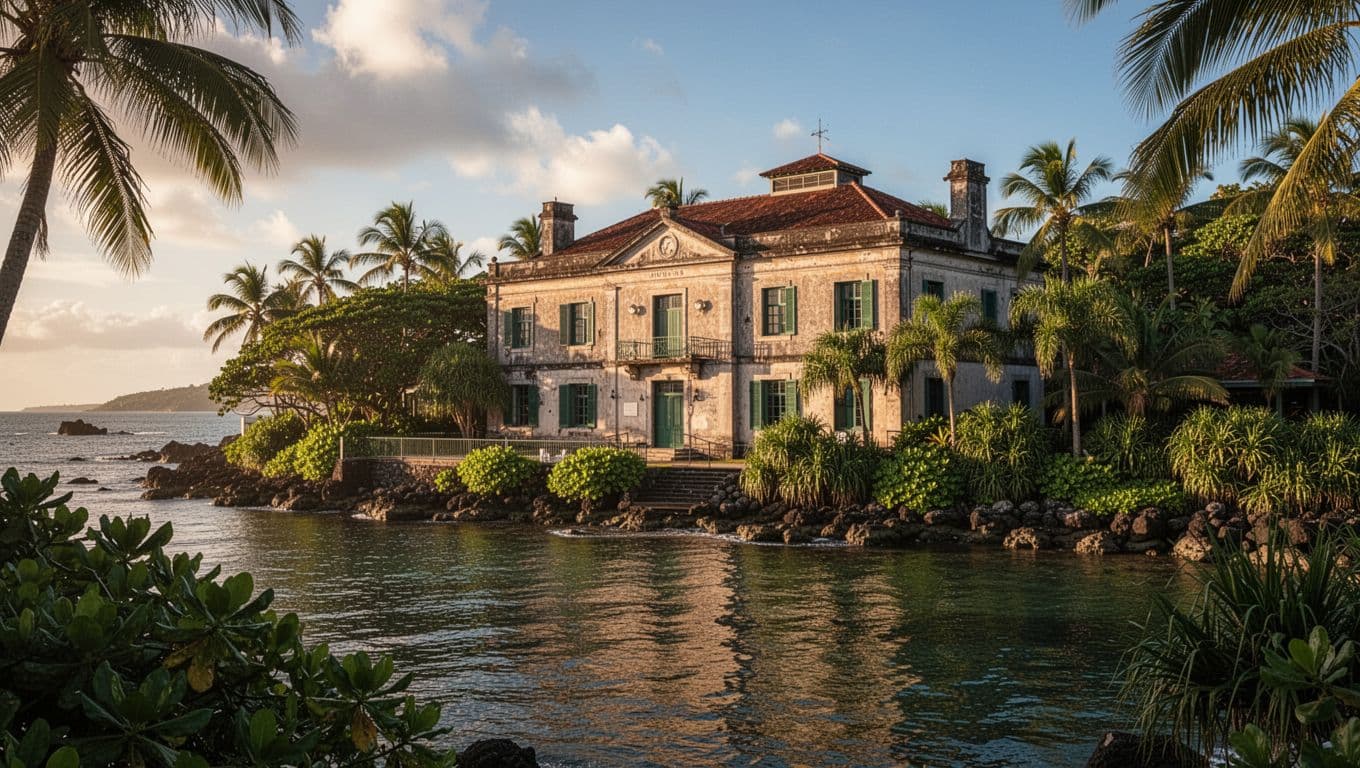
The Museum of the Everglades is at 105 West Broadway Avenue, Everglades City, FL 34139 . It's part of the Collier County Museums system and occupies the historic Everglades Laundry building.
According to the official Collier County Museums listing, regular 2026 hours are Tuesday through Saturday, 9:00 a.m. to 4:00 p.m. The museum is closed Sunday and Monday. County and federal holidays can change the schedule, so confirm the hours before driving a long distance.
| Visitor detail | 2026 information |
|---|---|
| Location | 105 West Broadway Avenue, Everglades City |
| Regular hours | Tuesday through Saturday, 9:00 a.m. to 4:00 p.m. |
| Closed | Sunday, Monday, and some holidays |
| Admission | Free |
| Visit style | Self-guided |
| Phone | 239-252-5026 |
| museums@collier.gov | |
| On-site amenities | Gift shop and restroom |
Admission is free, and donations are appreciated. You don't need to budget for a ticket, but you'll want to leave enough time for the exhibits instead of treating the museum as a quick photo stop.
The building is located in central Everglades City, making it easy to combine with the Everglades Welcome Center, a local meal, or a separate park visit. The Everglades Welcome Center is also at 207 West Broadway and provides local visitor information.
What you'll see inside the Museum of the Everglades
The museum focuses on the history of Everglades City and the surrounding region. Its exhibits connect the area's natural setting with the people who lived, worked, traveled, and built communities here.
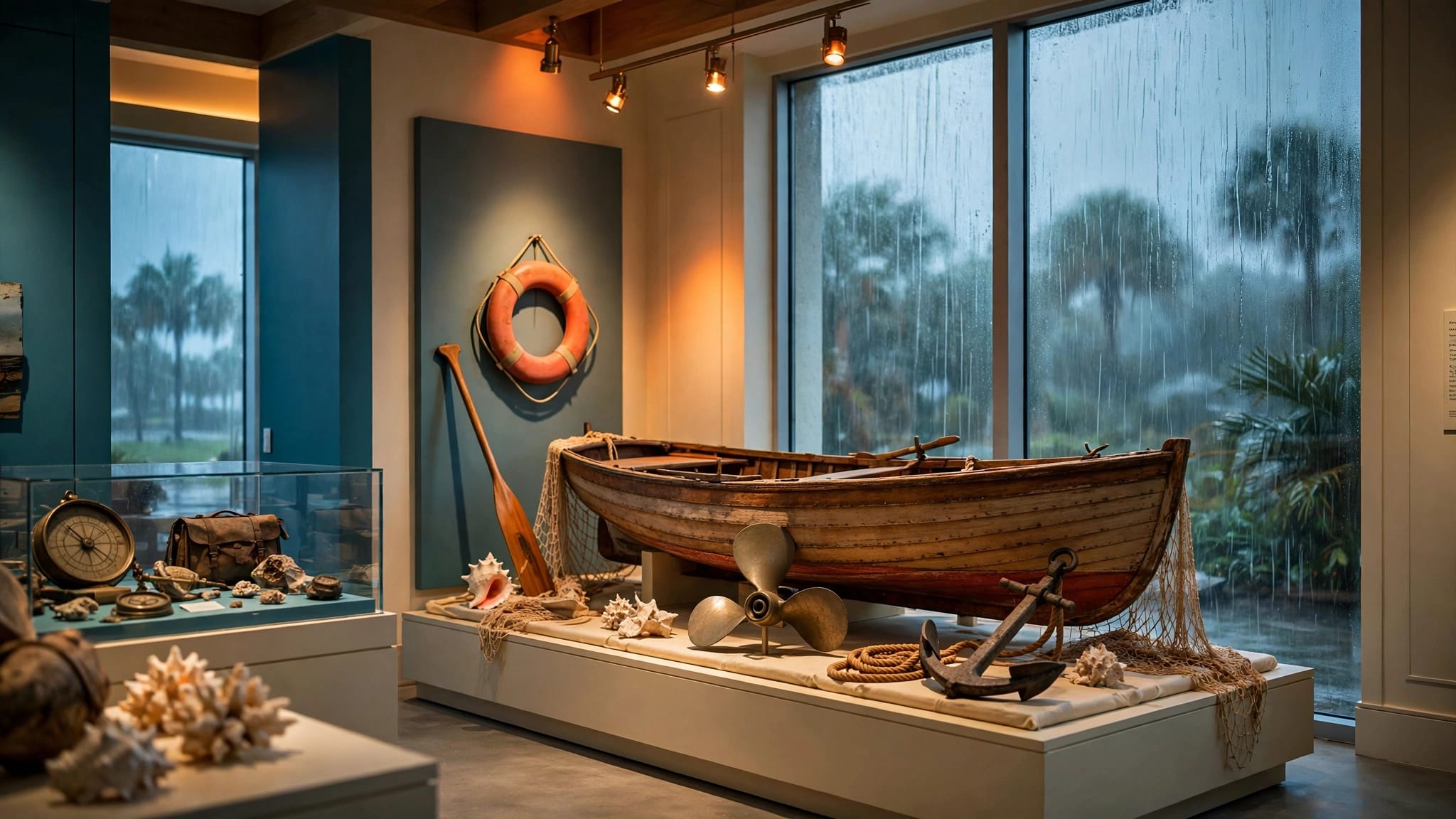
Inside, you'll find photographs, maps, historic objects, and displays about local life. Exhibits help explain the importance of fishing, farming, transportation, tourism, and the businesses that supported early residents. They also provide context about Indigenous history and the area's changing relationship with the Everglades.
The former laundry building adds another layer to the visit. Its structure is part of the story, not merely a container for artifacts. As you move through the rooms, notice how the exhibits connect ordinary details, such as household goods and work equipment, with larger changes across Southwest Florida.
The museum also helps explain why Everglades City became an important gateway community. Before modern roads made the region easier to reach, waterways played a major role in travel and trade. Later, road construction, drainage projects, tourism, and conservation changed how people entered and understood the Everglades.
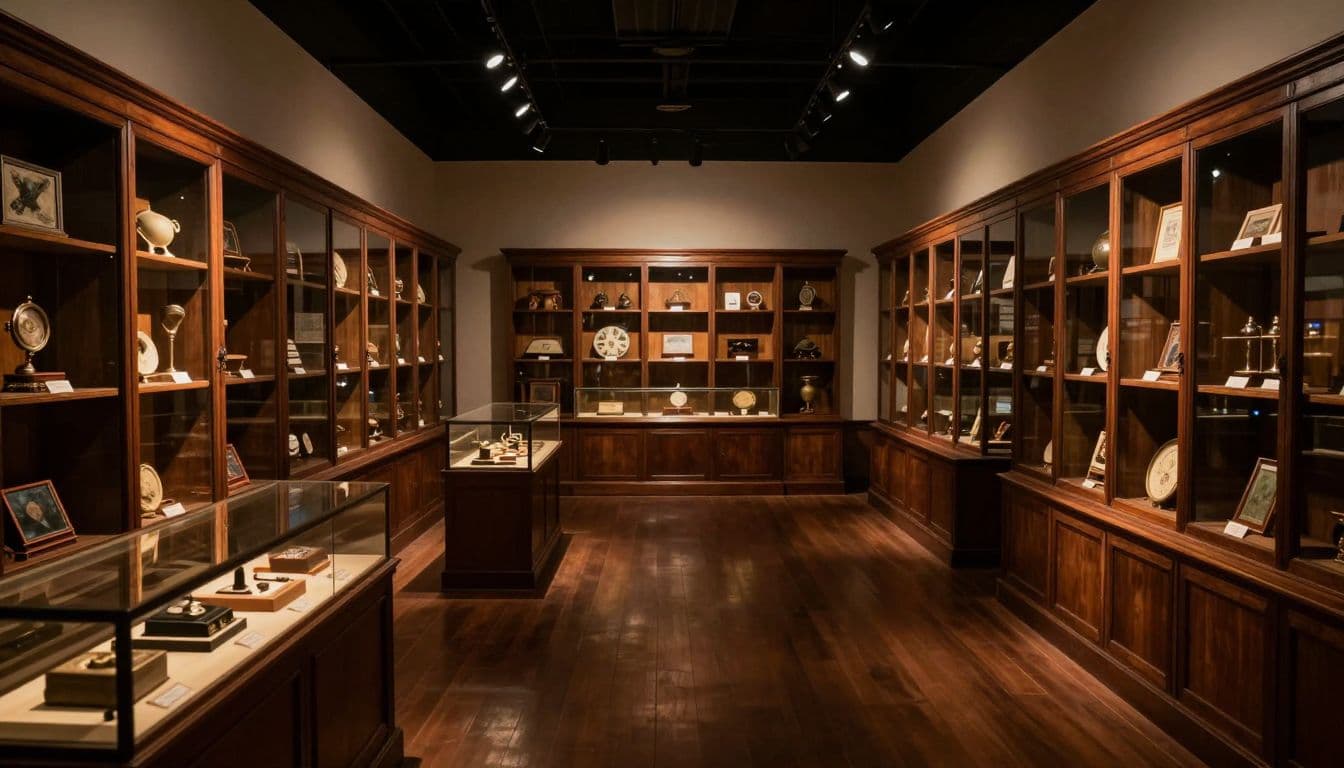
Exhibits may change during the year, so check the county museum page for current displays before your visit. If you enjoy local history, read the labels carefully. A single photograph or hand tool can reveal more about daily life than a broad overview.
How long to spend and when to go
Most visitors can see the museum in about 45 minutes to an hour , depending on how closely they read the displays. History fans may want longer, especially when a temporary exhibit catches their attention.
Arriving earlier gives you more flexibility. The museum closes at 4:00 p.m., and nearby attractions may have their own schedules. A late morning visit leaves time for lunch and outdoor activities afterward. If you're pairing the museum with a boat tour, wildlife viewing, or a national park stop, check every schedule separately.
The weather also matters. Southwest Florida heat and sudden rain can make outdoor plans uncomfortable, particularly during summer. The museum offers a useful indoor stop during the hottest part of the day, but it shouldn't replace checking weather conditions for your other activities.
Families can keep the visit manageable for children by focusing on photographs, maps, and objects tied to everyday life. Ask younger visitors to look for clues about how people traveled or worked before today's roads and technology. That approach gives them something specific to notice without turning the museum into a long lecture.
For groups, school visits, or accessibility questions, call ahead. Staff can provide the most current information about group arrangements, building access, and exhibits.
The museum is free, but its limited Tuesday through Saturday schedule makes checking holiday closures important before you leave.
Pair the museum with an Everglades City itinerary
The museum works best as part of a slower Everglades City day. Start with the exhibits, then use what you learned to understand the landscape outside.
The city is near the Gulf Coast area of Everglades National Park, but the museum and park are separate destinations. The park has its own facilities, hours, passes, and activities. The National Park Service lists directions and information for the Marjory Stoneman Douglas Visitor Center, which is separate from the Museum of the Everglades.
If you plan to continue into the national park, allow time for driving and check current access conditions. Park admission rules don't apply to the free county museum. A museum visit won't provide a national park pass, and a park pass won't replace the museum's local exhibits.
A practical day might include the museum in the morning, lunch in Everglades City, and an afternoon activity near the Gulf Coast. Visitors who prefer outdoor experiences can look into kayaking, wildlife watching, fishing, or a guided boat excursion. Weather, tide conditions, seasonal access, and operator schedules can affect those plans.
The Visit Florida guide to Everglades City provides broader information about local attractions and planning. Use it as a starting point, then confirm details directly with each attraction or business.
Leave room in your schedule for the town itself. Everglades City has a different pace than larger Southwest Florida destinations, and many services close earlier than visitors expect. Fuel up when needed, carry water, and avoid planning every minute of the day.
Make the day easier with local delivery support
A museum visit can become complicated when it includes groceries, airport transportation, restaurant pickup, or errands before you head out. For visitors staying in Cape Coral or nearby communities, 1st Class Delivery offers a VIP-style way to handle those details while you spend your time enjoying Southwest Florida.
The service can help with grocery and personal shopping, restaurant food pickup, pharmacy items, flowers, alcohol, dry cleaning, and party supplies. Business customers can also arrange document delivery, catering pickup, post office runs, bank deposits, and other local errands.
That support is useful before or after an Everglades City outing. You could arrange airport transportation, have groceries handled before arriving at your rental, or schedule dinner pickup so an afternoon museum and park visit doesn't end with another long stop.
Service is available in Cape Coral and nearby communities, including Sanibel, Matlacha, St. James City, and Captiva. Because the business focuses on familiar drivers, careful handling, insulated equipment, and direct communication, it fits travelers who want personal service instead of an impersonal handoff.
Before dispatch, confirm the address, unit number, access instructions, recipient name, and timing. The 1st Class Delivery service agreement explains the details customers should provide in writing.
Helpful tips for a smooth museum visit
A few simple choices can make the stop more enjoyable:
- Check the official hours on the day you plan to visit, especially around county and federal holidays.
- Wear comfortable shoes because you'll likely combine the museum with walking or outdoor activities.
- Bring water and sun protection for the rest of your Everglades City itinerary.
- Ask before taking photographs of exhibits or displays.
- Call ahead if you're bringing a large group or need specific accessibility information.
- Keep park plans separate from museum plans because the two destinations have different rules and operating details.
- Plan meals and fuel stops early, since small-town schedules may not match a larger city's hours.
The museum is self-guided, so you can move at your own pace. Read the displays that interest you, ask staff questions, and leave time to explore the surrounding area without rushing.
Conclusion
The Museum of the Everglades is a compact, free stop that gives meaning to the roads, waterways, industries, and communities surrounding Everglades City. Visit Tuesday through Saturday between 9:00 a.m. and 4:00 p.m., confirm holiday hours, and allow about an hour for the exhibits.
Pair the museum with local food, the Welcome Center, or a separate national park outing. If errands or transportation would cut into your day, 1st Class Delivery can handle local details so your time stays focused on the places you came to enjoy.