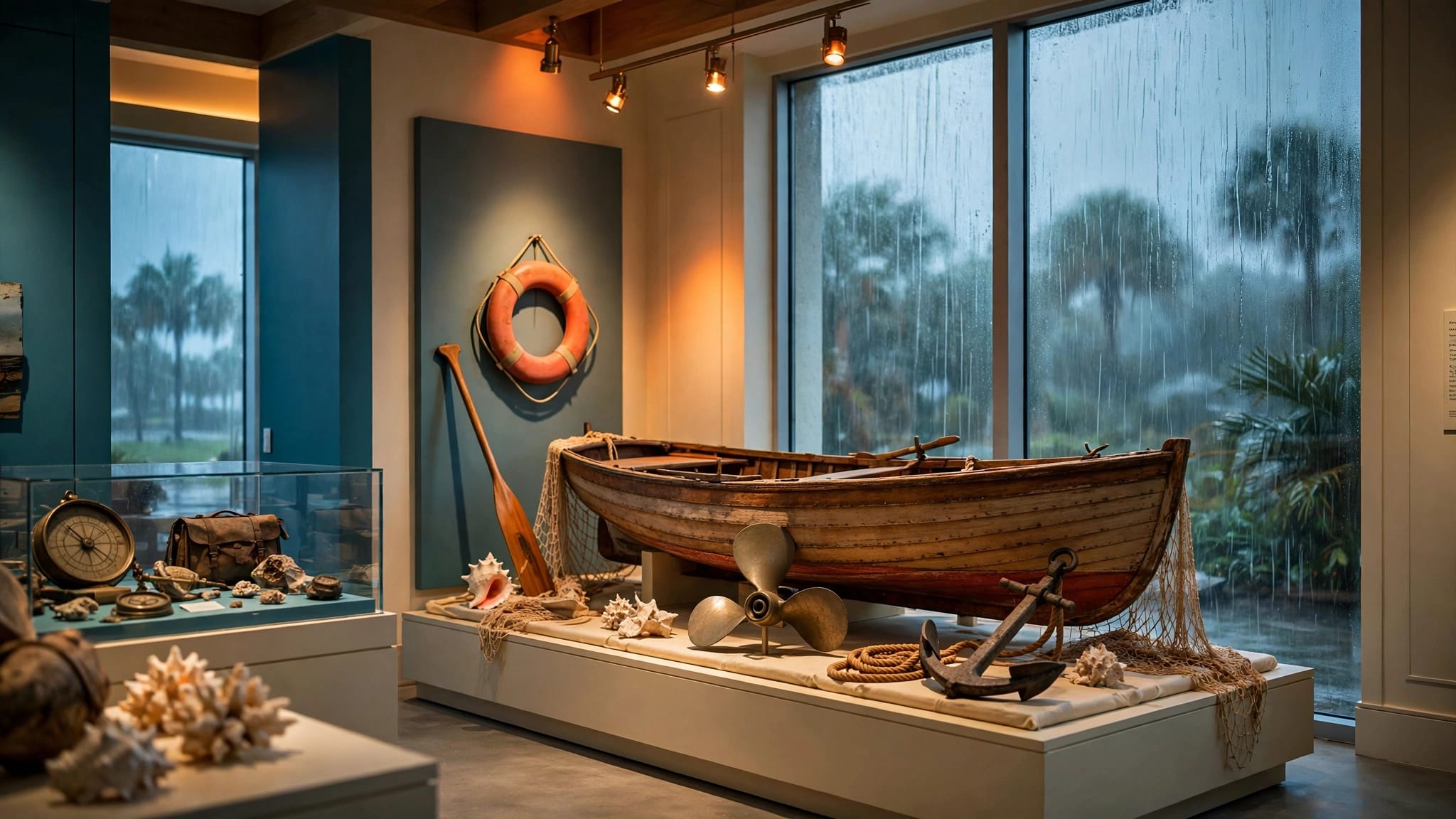
First Stops at the Southwest Florida Museum of History
Fort Myers history makes more sense when you start before the city had streets, hotels, or a downtown skyline. At the Southwest Florida Museum , the best first stop is the regional story, beginning with the people and events that shaped the area long before modern development.
Rather than racing through every display, follow the museum's historical order. Start with early Indigenous history, continue through Spanish exploration, then explore local artifacts and Lee County's later military history. A little planning also helps because published visitor details differ between listings.
Start with the Southwest Florida Museum's regional timeline
Give yourself time to understand the broad story before studying individual objects. The museum becomes easier to follow when you know where each display fits.
Begin with the earliest regional history
Start with the overview panels and introductory displays. Visit Fort Myers describes the museum's story as reaching back to around 800 B.C., with exhibits covering early influences that shaped Southwest Florida. Its Fort Myers museums and galleries guide is also useful when planning other cultural stops nearby.
This opening section gives you a sense of time and place. It also helps children and first-time visitors understand that Fort Myers history didn't begin with the arrival of modern settlers.
Look for the names, locations, and dates that appear throughout the opening displays. Those details will make the later exhibits easier to connect.
Notice how the story changes over time
The museum's displays bring together history from several periods rather than focusing on a single event. As you move through the galleries, watch for shifts in culture, settlement, transportation, and local development.
A chronological approach prevents the visit from becoming a collection of disconnected objects. You can see how one period leads into another, then return to displays that deserve a closer look.
Follow the Calusa, Seminole, and Spanish stories
The early history displays deserve priority because they explain why Southwest Florida developed differently from many other parts of the state. These exhibits also give the region a stronger identity than a simple Fort Myers city timeline.
Look closely at Calusa and Seminole history
The museum includes information about Calusa and Seminole history, two important parts of the regional story. Read the labels instead of relying only on the larger display graphics. Small details often explain where people lived, how they used the land, and how their communities fit into the area's wider history.
These sections are especially helpful for visitors who know Fort Myers mainly as a beach destination. They show that the region's past reaches well beyond tourism and modern neighborhoods.
Take note of how the museum presents Native history within the larger timeline. That context gives the later sections more meaning.
Continue into Spanish exploration
Spanish explorers appear in the museum's account of early Southwest Florida. This section marks a major change in the region's recorded history and introduces visitors to the first European accounts of the area.
Pay attention to how the narrative moves between local history and broader exploration. The museum connects national and international events with the places that became part of Lee County.
If you have limited time, don't skip these displays. They provide the historical foundation for everything that follows.
Let artifacts make the history concrete
Written timelines explain dates and events, but artifacts and photographs make those stories easier to remember. Plan to slow down once you reach the museum's object-based displays.
Use objects as anchors
Visit Fort Myers describes the Southwest Florida Museum of History as a place with artifacts and visual depictions tied to the region's past. Instead of trying to read every label, choose a few objects that catch your attention and study the information beside them.
Ask what the object reveals about the people who used it. Does it show work, travel, communication, family life, or a change in technology? Even one well-understood artifact can give a historical period a stronger sense of place.
Photographs can work the same way. Look beyond the main subject and notice buildings, clothing, roads, signs, and landscapes in the background.
Connect local details to the larger story
Some visitors move quickly through history museums because the subject feels too broad. You can avoid that feeling by looking for references to Fort Myers, Lee County, and nearby communities.
Local names turn a distant historical period into something easier to picture. A display connected to a familiar road, river, neighborhood, or community can change how you see the area after leaving the museum.
The museum's educational programs may also offer more context, especially for families or school-age visitors. Ask staff what is available during your visit, since programs and schedules can change.
Make the Lee County World War II display a priority
After exploring the museum's early history, set aside time for its World War II material. The state's World War II listing for the museum identifies a permanent display with photographs and artifacts related to World War II in Lee County.
Look for the local side of a national event
World War II history often feels distant when it's presented only through major battles and famous leaders. Local photographs and artifacts bring the conflict closer to home by showing how it affected Lee County.
Read the captions carefully. A name, location, or date can reveal how a national event touched Southwest Florida residents, businesses, and public life.
This display works well after the regional timeline because you already understand the area before reaching the twentieth century. The contrast also makes the museum's full time span easier to appreciate.
Check for related temporary displays
The museum has featured rotating exhibits and educational material alongside its broader regional history displays. When you arrive, ask whether a temporary exhibit relates to local military history, transportation, immigration, or community development.
Temporary displays may change the best order for your visit. If one has a limited run, see it before spending extra time with permanent sections.
A quick question at the front desk can also help you find programs or exhibits that children may enjoy most.
Leave room for rotating exhibits and the museum shop
The permanent displays should come first, but don't plan your visit so tightly that you miss what changes seasonally. A flexible final portion gives you time to explore current material without rushing.
See what's new after the main galleries
Once you've completed the main historical sequence, return to any rotating exhibit that caught your eye. Temporary displays often focus on a narrower subject, which can add detail to the larger story you have already seen.
Look for exhibit dates and descriptions near the entrance. If you visit regularly, these changing displays can give you a different reason to return.
Educational programs may also be scheduled around temporary exhibits. Families should ask about start times before beginning a longer gallery visit.
Browse the shop for local history books
The museum shop carries historical books, related materials, and gift items, according to Visit Fort Myers information. Save it for the end so you can choose something connected to the exhibits you enjoyed.
A local history book can help you learn more about Fort Myers after your trip. For children, a small educational item may keep the museum's stories alive after the visit.
The shop is also a practical place to find a meaningful souvenir that reflects the area, rather than a generic vacation purchase.
Plan a smooth downtown Fort Myers visit
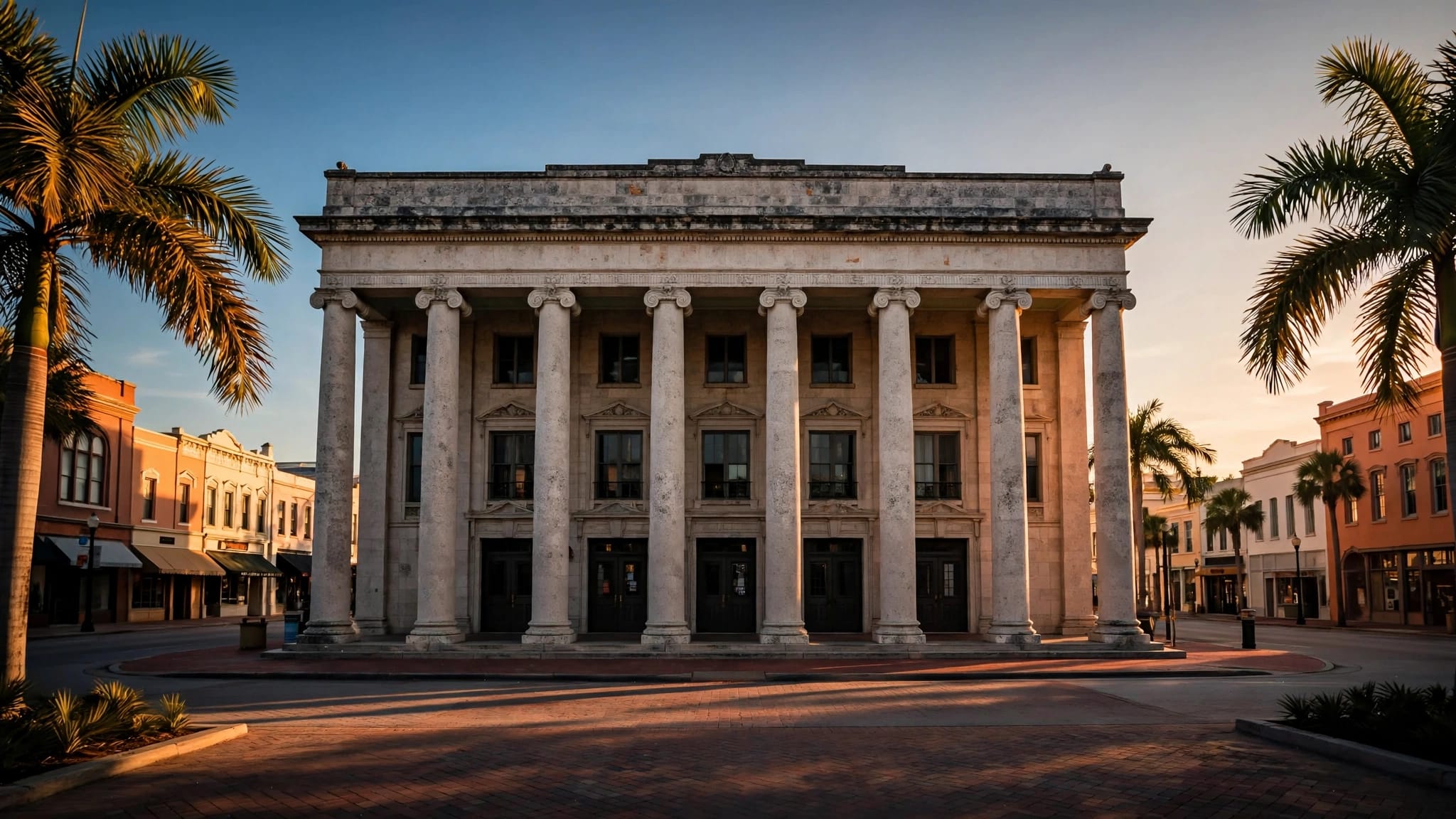
The museum is at 2031 Jackson Street, Fort Myers, Florida 33901. The state museum listing places it downtown, one block south of Martin Luther King Jr. Boulevard, and gives the phone number as 239-321-7430. Its directions point visitors to Jackson Street and then Peck Street.
Confirm hours, admission, and parking
Published visitor information commonly lists hours as Tuesday through Saturday, 10 a.m. to 5 p.m. However, available Visit Fort Myers materials include conflicting hours and admission figures. One fee listing gives $9.50 for adults, $8.50 for seniors, $5 for students, $4 for children ages 3 to 12, and free admission for children under 3.
Published listings show different hours and admission figures, so confirm both before leaving for the museum.
Call ahead before your August 2026 visit, especially if you are planning around lunch, a tour, or an airport departure. Ask about current admission, temporary closures, accessibility, and downtown parking. Allow extra time if you are unfamiliar with Jackson Street.
Keep errands from taking over the day
A museum visit can become harder to enjoy when it competes with grocery shopping, restaurant pickup, pharmacy stops, or airport transportation. Visitors staying in Cape Coral, Sanibel, Captiva, Matlacha, or nearby communities may have several miles of driving before the day even begins.
For people who want a VIP option without spending vacation time, or even an ordinary afternoon, running errands, 1st Class Delivery services can handle local delivery and transportation requests. Arranging groceries, household goods, food pickup, pharmacy items, or an airport ride ahead of time can leave your museum schedule open.
That small convenience matters when your day includes children, guests, limited mobility, or a flight to catch. Set the pickup details before visiting, then give the museum your full attention.
Conclusion
Start your visit with the museum's oldest regional stories, then follow the Calusa, Seminole, and Spanish sections into later Fort Myers history. Give extra time to the photographs and artifacts, and make the Lee County World War II display a priority before checking rotating exhibits and the shop.
Because hours and admission information can vary between published listings, confirm the details before driving downtown. With the practical planning handled first, the Southwest Florida Museum of History becomes a clear, engaging introduction to the place beyond its beaches and vacation rentals.