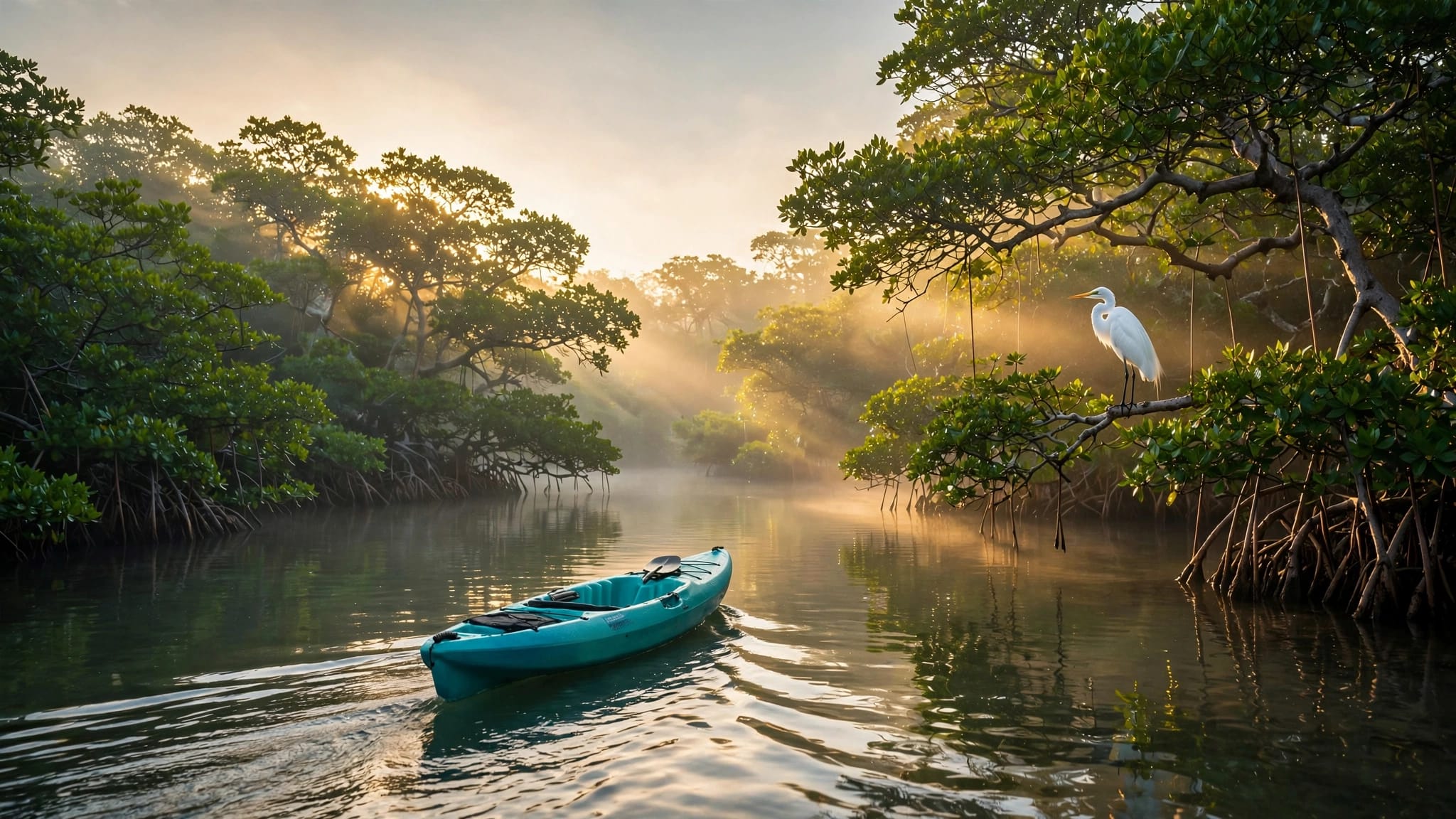
Sanibel Captiva Conservation Trails and Wildlife Guide
Sanibel Island rewards visitors who slow down. The Sanibel Captiva Conservation Foundation, commonly called SCCF, protects coastal wetlands, mangroves, pine flatwoods, and other habitats where birds and native wildlife still move freely.
A good visit depends on more than choosing a trail. You also need to check current access, understand which routes allow bikes or pets, and arrive when wildlife is most active. This guide covers the best SCCF areas, what you may see, and how to plan a comfortable outing.
Sanibel Captiva Conservation access and preserve rules
SCCF manages several public trails, but not every preserve is open for recreation. Much of the foundation's protected land remains closed because sensitive habitat and wildlife need space away from regular foot traffic.
Check openings before you leave
SCCF public trails generally open daily from sunrise to sunset. However, storm damage, seasonal flooding, restoration work, and habitat protection can change access.
The foundation's public trail information lists more than six miles of SCCF trails. When connected with trails managed by the City of Sanibel and J.N. "Ding" Darling National Wildlife Refuge, the network extends beyond 10 miles.
Use marked public routes only. The current SCCF public trails information identifies access points, permitted activities, and preserve-specific restrictions.
Why trail rules differ
One preserve may welcome walkers, cyclists, and leashed pets, while another allows foot traffic only. These differences protect nesting areas, wetland edges, and animals that are easily disturbed.
The rules also help visitors avoid unsafe assumptions. A trail that was open during a previous trip may now have a shorter route or a temporary closure. Check the official information shortly before leaving, especially after heavy rain or tropical weather.
Best SCCF trails for wildlife viewing
The best trail depends on the habitat you want to see and how much time you have. Some routes offer a longer walk through mixed vegetation, while others make a better short stop between island activities.
William and Ruth Brooks Nature Trail
The William and Ruth Brooks Nature Trail is one of the most useful choices for visitors who want a longer nature walk. The trail extends 1.25 miles one way, so allow enough time for the return trip.
Its habitats support butterflies, turtles, tortoises, mammals, hawks, waterfowl, and other birds. Look along pond edges, scan open sky for raptors, and check shaded vegetation for movement.
The Brooks trail begins near the parking area to the right of SCCF headquarters on Sanibel-Captiva Road. SCCF headquarters itself is not open to the public, so visitors should use the designated trail access rather than expecting a visitor center there.
Erick Lindblad, Puschel, and Bailey Tract
Erick Lindblad Preserve currently has only about a half-mile open route while restoration continues. The route is for walking only, and bikes and pets aren't permitted. Seasonal flooding can affect sections of the trail, so sturdy shoes are useful.
Puschel Preserve offers a different experience. It is open from dawn to dusk, allows pets, and prohibits bikes. A gazebo provides a viewing point where visitors may spot alligators and wading birds.
Bailey Tract is another practical choice for a short outing. It opens daily from sunrise to sunset and has free admission and parking. Its wetland setting can produce good bird sightings without requiring a long hike.

Wildlife you may see on SCCF trails
SCCF preserves protect a mix of freshwater wetlands, coastal vegetation, hammock, and upland habitat. That variety explains why a short walk can produce several different kinds of wildlife.
Birds, reptiles, mammals, and insects
Wading birds are among the easiest animals to notice. Egrets, ibis, herons, and other waterfowl often gather near shallow water or muddy edges. Roseate spoonbills may appear in suitable feeding areas, although sightings are never guaranteed.
Interior preserves can be better for woodland species. Listen for woodpeckers or hawks near tree lines, then check dead branches and high limbs before moving on. Songbirds may stay hidden in dense foliage, so patience often matters more than distance covered.
Reptiles and small mammals also use these habitats. Visitors may see turtles, tortoises, alligators, Sanibel rice rats, or hispid cotton rats. Butterflies become more noticeable around native plants and sunny openings.
Watch without changing animal behavior
Stay on the trail and keep voices low. Never feed wildlife, imitate calls, chase an animal, or move closer for a photograph. Food can change animal behavior and create risks for both wildlife and visitors.
Shorebirds need extra space during nesting season. Keep away from signed nesting areas, follow Sanibel's leash requirements, and leave when birds show signs of stress. A bird that repeatedly calls, walks away, or flies off may already be telling you that you're too close.
Binoculars are more useful than a zoom lens. They let you observe details while keeping a respectful distance.
Quieter SCCF preserves for slower birding
Visitors often begin with Sanibel's most famous wildlife destinations. However, the Center Tract and Sanibel Gardens Preserve can provide a calmer experience when you want woodland sounds and interior wetland views.
Center Tract and Sanibel Gardens Preserve
These areas are good places to slow down and listen. Woodpeckers, hawks, songbirds, egrets, and ibis may appear around tree lines, pond edges, and wetland openings.
The scenery is more enclosed than a broad mangrove overlook. That makes the experience less about dramatic views and more about noticing movement in the canopy, a bird crossing an opening, or ripples near the water.
Confirm current access before visiting because public openings and route conditions can change. Follow the latest preserve map rather than relying on an older travel article or a trail memory from a previous season.
Choose your timing carefully
Early morning usually brings cooler temperatures and more bird activity. Late afternoon can also work when the heat begins to ease and animals become active again.
Tides matter most near coastal wetlands and mudflats. A falling tide can expose feeding areas for wading birds, while changing water levels may alter what you see along a pond or mangrove edge. Bring water, insect repellent, sunscreen, and footwear that can handle damp ground.
Plan a comfortable SCCF trail visit
A successful preserve visit usually has a simple schedule. Choose one or two public areas, leave room for a slow pace, and avoid packing the day with distant stops.
Hours, bikes, pets, and equipment
Most SCCF public trails operate during daylight, from sunrise to sunset. Overnight use isn't allowed. Arrive early if you want easier parking and cooler walking conditions.
Check the rules for your chosen preserve before bringing a dog or bicycle. Brooks allows walking, biking, and pets, while Erick Lindblad is walking only. Puschel allows pets but prohibits bikes. These rules are specific to each area, so don't assume one preserve follows another's policy.
Carry drinking water because trailheads may not have convenient refill stations. Closed-toe shoes, a hat, sunscreen, bug spray, binoculars, and a charged phone are practical choices. A paper route backup can help if cell service is inconsistent.

Confirm closures and route changes
SCCF launched an interactive preserve map in 2026 to help visitors find open public routes and recognize areas that remain closed for conservation. Check the updated SCCF preserve map information before driving to a trailhead.
Storm recovery remains part of island planning. A route may be open in part while another section stays closed. If water covers the trail, turn around rather than creating a new path around it.
Nearby stops and practical trip support
SCCF trails fit well into a broader Sanibel day, but outdoor time is easier when you don't overfill the itinerary.
Add an educational stop
The Bailey-Matthews National Shell Museum & Aquarium is nearby on Sanibel-Captiva Road. It offers an indoor option when the sun is high or rain interrupts a trail plan. The museum's official schedule and admission details can change, so check them before visiting.
SCCF's Native Landscapes & Garden Center is another possible stop for visitors interested in Florida plants. Its current listing gives hours of 10 a.m. to 3 p.m. Tuesday through Thursday at Bailey Homestead Preserve, 1300 Periwinkle Way. Fridays are by appointment, and calling ahead is wise.
Leave time for the island itself
A nature outing doesn't need to become a race between trailheads. One quiet preserve, lunch, and a short indoor stop may create a better day than trying to see every attraction.
If groceries, restaurant meals, household items, pharmacy pickups, or airport transportation would interrupt your plans, Sanibel and Captiva delivery services can handle those errands for you. 1st Class Delivery is a VIP-style convenience for people who want to enjoy vacation, or daily life, without spending their time driving between stops. It operates independently and isn't affiliated with SCCF.
Key takeaways
- SCCF public trails generally open from sunrise to sunset, but closures and partial openings can change.
- Brooks offers a longer walk, while Erick Lindblad, Puschel, and Bailey Tract suit different activity levels.
- Center Tract and Sanibel Gardens can reward visitors who prefer quieter woodland and wetland birding.
- Early morning and late afternoon usually provide better comfort and wildlife activity.
- Follow preserve-specific rules for bikes, pets, parking, and walking.
- Use binoculars and distance instead of approaching animals for closer photographs.
- Check SCCF's current trail information before every visit.
FAQ about Sanibel Captiva Conservation trails
Are all SCCF preserves open to the public?
No. SCCF protects more land than it opens for recreation. Only marked public routes should be used, and some preserves remain closed to protect habitat or recover from storm damage.
What are the current SCCF trail hours?
Public trails generally open daily from sunrise to sunset. Preserve conditions can change, so check the latest official information before traveling. Sunrise and late afternoon are often the most comfortable times for walking.
Can I bring my dog?
Some trails permit leashed pets, but others do not. Puschel allows pets, and Brooks permits them under its trail rules. Erick Lindblad is walking only and does not allow pets. Confirm the policy for your selected preserve before leaving.
Are bikes allowed on SCCF trails?
Bike access varies. Brooks allows bikes, while Erick Lindblad is foot traffic only and Puschel prohibits bikes. Stay on approved routes and slow down near walkers.
What should I do if I see an alligator?
Keep a wide distance and never block its route to the water. Don't feed it, approach it, or attempt a close photograph. If the animal is near a trail and creates a safety concern, choose another route and follow posted guidance.
A better way to experience Sanibel's wild spaces
The strongest Sanibel Captiva Conservation visit starts with current information and a manageable plan. Pick a preserve that matches your preferred pace, arrive during cooler hours, and give wildlife enough room to behave naturally.
You may leave with fewer photographs than expected, but a better memory of the island. A woodpecker call, a hawk above the tree line, or a spoonbill feeding across quiet water can make a short, attentive walk feel like the day's main event.